For many working professionals, the weekend is a deceptive concept. We spend five days waiting for it, visualizing lazy mornings, brunches, or perhaps a quick getaway. Yet, when Saturday morning actually arrives, the reality is often starkly different. Instead of relaxation, we are greeted by a “to-do” list that has been silently accumulating all week: the dust bunnies rolling across the living room, the sticky spots in the kitchen, and the general layer of life that coats the floors.
The “chore weekend” is the enemy of work-life balance. If you spend your downtime working to maintain your living space, you aren’t actually resting. The modern solution to this dilemma isn’t to lower your standards for cleanliness, but to fundamentally change how you clean. It requires shifting from a manual, labor-intensive model to a hybrid system of automation and precision.
By integrating smart technology into your home, you can achieve the “Zero-Effort Weekend”—a state where your home remains pristine without you sacrificing your Saturday to a mop bucket.
The “Set and Forget” Strategy: Delegating the Daily Grind
The bulk of household cleaning is repetitive maintenance. It is the daily accumulation of dust, crumbs, and foot traffic. This type of cleaning is low-intensity but high-frequency. If you ignore it for a few days, it becomes overwhelming. If you do it manually every day, it becomes a second job.
This is the perfect candidate for delegation. The most effective way to reclaim your time is to automate the floor care entirely.
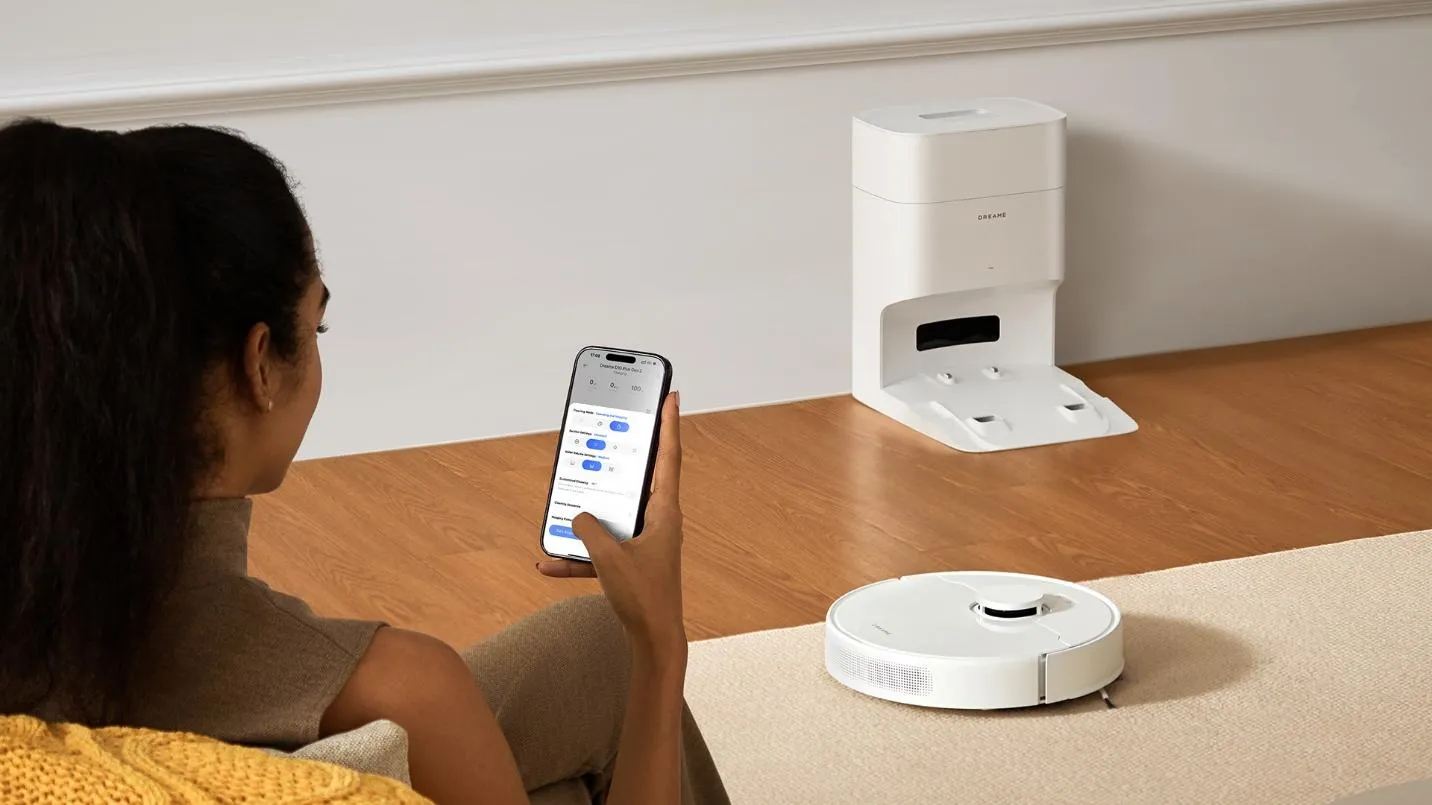
Enter the vacuum and mop combo. These devices have evolved far beyond the random-bumping robots of the past. Today’s models are intelligent home assistants capable of mapping your floor plan, identifying different surfaces, and executing a cleaning regimen without human intervention.
The psychological benefit of this automation cannot be overstated. Imagine waking up on Saturday morning to floors that have already been swept and scrubbed while you slept. By handing over the repetitive task of vacuuming and mopping to a robot, you remove the “baseline” mess. You no longer start your weekend in a deficit, feeling the need to catch up on cleaning. instead, you start with a clean slate. This shift allows you to view your home as a place of rest rather than a project that needs constant management.
The “Precision Strike”: Handling Chaos with Speed
While automation handles the routine, real life is unpredictable. There will be spilled cereal, a dropped glass of wine, or a muddy footprint from a rainy afternoon. These are not “maintenance” issues; they are “incidents.”
The old way of handling an incident was disproportionately difficult. A spilled bowl of soup meant grabbing paper towels, then a spray bottle, then a mop, and finally washing the mop head. It turned a ten-second accident into a fifteen-minute ordeal. This friction often leads to procrastination—we leave the mess because “dealing with it” feels like too much work in the moment.
The tool for this specific scenario is the wet and dry vacuum. This device is the special forces unit of your cleaning arsenal. It is designed for speed and power. When a mess occurs, you don’t need to prep a bucket or wring out a cloth. You simply grab the vacuum, run it over the wet or dry mess, and the debris is instantly sucked away while the floor is washed.
The value here is efficiency. It converts a chore into a momentary pause. By having a tool that handles solids and liquids simultaneously, you eliminate the steps that make cleaning annoying. You aren’t “cleaning the house”; you are simply deleting a mess and moving on with your day.
Integrating the Two for Maximum Freedom
The secret to the Zero-Effort Weekend is understanding that these two tools serve different masters:
- The Robot serves your Schedule: It ensures that 90% of the cleaning happens when you aren’t even looking. It maintains the standard of hygiene that prevents dust buildup and keeps the home feeling fresh.
- The Wet-Dry Vac serves your Reality: It ensures that when life gets messy, the cleanup doesn’t derail your plans. It provides the heavy-duty power needed for kitchens and bathrooms without the heavy-duty effort.
The Return on Investment: Time
When we talk about the cost of cleaning appliances, we often look at the price tag in dollars. However, the true metric should be the “Cost of Time.” How much is your Saturday afternoon worth? If a suite of smart cleaning tools saves you three hours of scrubbing every weekend, that is over 150 hours of reclaimed life per year. That is time spent with family, pursuing a hobby, or simply doing nothing at all.
In the modern age, the ultimate luxury is not a bigger house or fancier furniture; it is the freedom to enjoy your home without being a servant to it. By automating the routine and optimizing the cleanup of spills, you stop fitting your life around your chores and start fitting your chores—briefly and efficiently—around your life.
FAQS
It means your home stays clean without you spending your weekend doing chores, thanks to automation and fast, targeted cleanup tools.
Automated cleaning handles daily maintenance on a schedule, while traditional cleaning relies on manual, time-consuming effort.
They manage dust, crumbs, and floor grime consistently, preventing mess from building up while you focus on work or rest.
No, they handle routine upkeep, but sudden spills and heavy messes still require a more powerful, hands-on solution.
It’s designed for quick response, letting you clean liquid and solid messes instantly without setup or prep.
Yes, because it removes unnecessary steps like filling buckets or washing mop heads, turning cleanup into a brief task.
Absolutely—automation maintains daily cleanliness, while a wet-dry vacuum tackles unexpected messes efficiently.
Many households reclaim several hours each weekend, adding up to over 100 hours of free time per year.
When measured in time saved and reduced stress, the return often outweighs the upfront expense.
Busy professionals and families who value rest, flexibility, and a clean home without sacrificing their downtime.