LEDs are everywhere. Homes. Offices. Retail stores. Streetlights. They’ve become the default option, almost by reflex. But here’s the thing—default doesn’t always mean best.
If you’ve ever felt eye strain under bright LEDs, struggled to create a warm atmosphere, or wondered why a room suddenly feels harsh instead of inviting, you’re not imagining it. There are real reasons people are actively searching for alternatives to LED lights, and those reasons go far beyond nostalgia.
I’ve worked with lighting across residential, commercial, and creative spaces, and one truth keeps resurfacing. Lighting is personal. Functional. Emotional. And LEDs, for all their strengths, are not a universal solution.
Let’s break down the most practical, realistic alternatives to LED lights, where they shine, where they fall short, and how to choose the right one for your space—without hype or buzzwords.
Why People Are Rethinking LED Lighting
LEDs dominate the conversation because they’re efficient and long-lasting. That part is true. But efficiency is only one variable in good lighting.
People usually start exploring alternatives to LED lights for a few recurring reasons:
- Visual discomfort or headaches
- Flicker sensitivity
- Cold or flat color appearance
- Poor dimming performance
- Design or ambiance limitations
LED light behaves differently than traditional sources. It emits light directionally, relies on electronic drivers, and often uses aggressive blue wavelengths to boost efficiency. For some people and environments, that trade-off simply doesn’t work.
This doesn’t make LEDs bad. It makes them situational.
And lighting should always be chosen based on use, not trends.
When LEDs Aren’t the Best Tool for the Job
Some spaces demand warmth over efficiency. Others demand color accuracy. Some demand visual comfort for long hours of use.
Here are scenarios where alternatives to LED lights often outperform LEDs:
- Reading rooms or libraries
- Bedrooms and living areas
- Restaurants and hospitality spaces
- Art studios and galleries
- Film, photography, and makeup areas
In these environments, the quality of light matters more than the wattage printed on the box.
Light should support the task—not fight it.
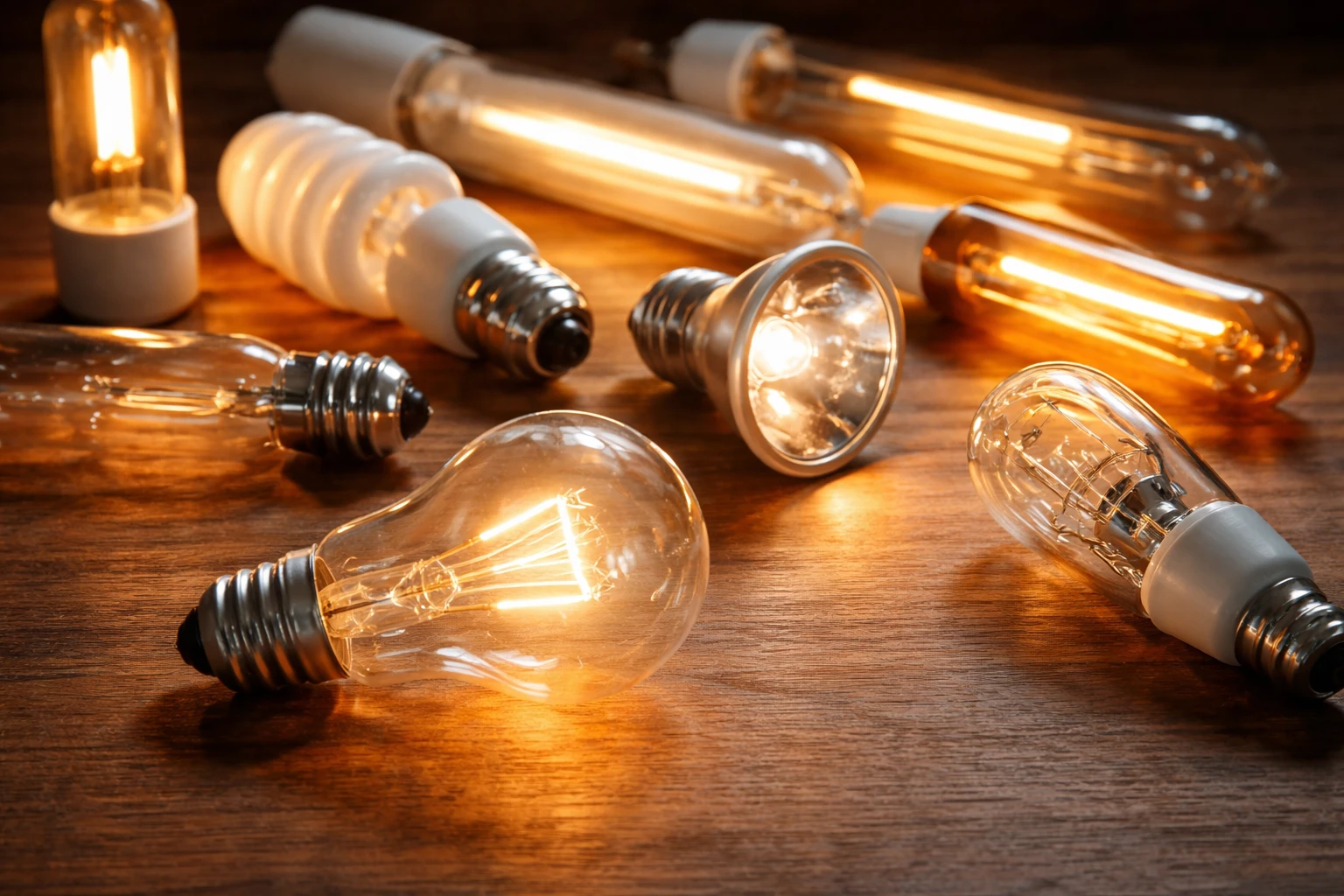
Incandescent Lighting: Still the Gold Standard for Warmth
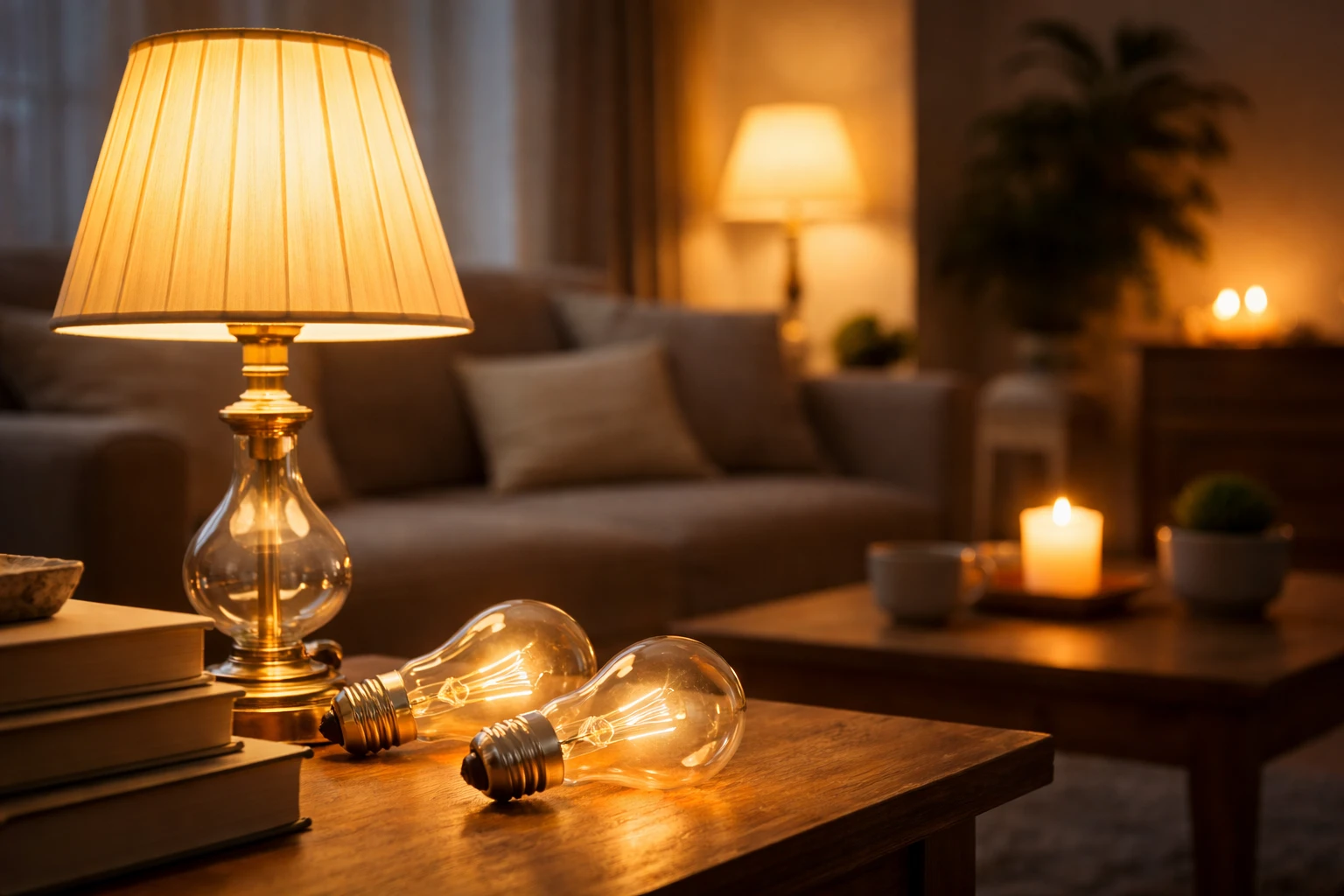
Incandescent bulbs are the original electric light source. Simple. Honest. Predictable.
They work by heating a filament until it glows. No drivers. No electronics. Just light.
That simplicity is their biggest strength.
Why Incandescent Still Matters
- Perfect color rendering
- Smooth, flicker-free output
- Warm, natural glow
- Excellent dimming behavior
If you want light that feels human, incandescent delivers.
Where It Falls Short
- High energy consumption
- Short lifespan
- Heat output
Because of efficiency regulations, incandescents are less common today, but they haven’t disappeared entirely. Specialty bulbs, appliance bulbs, and decorative fixtures still use them—and for good reason.
Best use cases:
Bedrooms, dining rooms, accent lighting, mood lighting, and spaces where comfort comes first.
Among all alternatives to LED lights, incandescent remains unmatched for warmth and color accuracy.
Halogen Bulbs: Cleaner, Brighter, More Precise
Halogen lighting is essentially an upgraded incandescent. It uses a halogen gas cycle to improve efficiency and extend filament life.
The result? Brighter, whiter light with excellent clarity.
Advantages of Halogen
- Superior color accuracy
- Crisp, focused illumination
- Dims smoothly
- Compact bulb sizes
Halogen is often used in track lighting, task lighting, and spotlight applications where precision matters.
Limitations
- Still produces significant heat
- More efficient than incandescent, but far less than LED
- Shorter lifespan than modern options
If you need clarity without sacrificing color quality, halogen is one of the strongest alternatives to LED lights available today.
Compact Fluorescent Lamps (CFLs): Transitional, Not Timeless
CFLs were the bridge between incandescent and LED. They use fluorescent technology in a compact form.
They still exist. But they’re not loved.
Where CFLs Make Sense
- Lower energy use than incandescent
- Longer lifespan
- Widely available
Where They Don’t
- Slow warm-up time
- Flicker in cold environments
- Flat, uneven color
- Mercury content complicates disposal
CFLs can work in utility areas, garages, or secondary spaces where light quality isn’t critical. But as a primary lighting choice, they rarely feel satisfying.
Among alternatives to LED lights, CFLs are functional—but rarely preferred.
Linear Fluorescent Lighting: Still Strong in Commercial Spaces
Tube fluorescents are a different story.
They’ve powered offices, schools, and warehouses for decades, and when properly specified, they remain effective.
Strengths of Linear Fluorescent
- Even, wide light distribution
- Proven reliability
- Cost-effective for large areas
Challenges
- Ballast maintenance
- Flicker issues in older systems
- Declining availability
Modern high-quality fluorescent systems with electronic ballasts can still outperform low-quality LED panels in visual comfort.
That matters in work environments.
HID Lighting: Power Where LEDs Struggle
High-Intensity Discharge lighting is built for scale.
Think parking lots. Warehouses. Stadiums.
HID lamps produce light through an electric arc in gas or metal vapor. The output is intense.
Common HID Types
- Metal halide
- High-pressure sodium
- Mercury vapor
Pros
- Extremely high light output
- Long service life
- Ideal for large, open spaces
Cons
- Long warm-up times
- High energy consumption
- Limited color quality (depending on type)
For large-scale industrial use, HID remains one of the most practical alternatives to LED lights when brightness matters more than nuance.
Neon Lighting: Art, Atmosphere, Identity
Neon isn’t about efficiency. It’s about feeling.
Real neon uses electrified gas in glass tubes to produce saturated, continuous light that LEDs struggle to replicate authentically.
Why Neon Still Wins
- Unmatched color depth
- Smooth, flicker-free glow
- Instantly recognizable aesthetic
Downsides
- Fragile glass construction
- Higher upfront cost
- Skilled installation required
Neon shines in branding, art, hospitality, and statement design. It’s not a replacement for general lighting—but as an alternative to LED lights in creative spaces, it’s irreplaceable.
Induction Lighting: Built for Longevity
Induction lighting is a lesser-known fluorescent cousin that eliminates electrodes, dramatically extending lifespan.
Some fixtures can run for over 100,000 hours.
Benefits
- Extremely long life
- Low maintenance
- Stable light output
Drawbacks
- Bulky fixtures
- Limited design flexibility
- Higher upfront cost
Induction lighting is best suited for industrial or municipal use where maintenance access is difficult.
Full-Spectrum and Natural Light Alternatives
Not all alternatives to LED lights are about bulbs.
Full-spectrum lighting aims to replicate daylight as closely as possible, often using specialized fluorescent or hybrid systems.
Why People Choose Full-Spectrum
- Improved visual comfort
- Better mood and focus
- Accurate color perception
These systems are popular in studios, offices, healthcare environments, and homes focused on wellness.
They’re not perfect. But for people sensitive to artificial light, they can be a game-changer.
Quick Comparison: Alternatives to LED Lights
| Lighting Type | Light Quality | Energy Use | Lifespan | Best For |
| Incandescent | Excellent | High | Short | Comfort, ambiance |
| Halogen | Excellent | Medium-High | Short-Medium | Task, accent |
| CFL | Fair | Medium | Medium | Utility spaces |
| Fluorescent | Good | Medium | Long | Offices, schools |
| HID | Variable | High | Long | Industrial areas |
| Neon | Unique | Medium | Long | Design, branding |
| Induction | Good | Medium | Very long | Hard-to-access spaces |
How to Choose the Right Alternative for Your Space
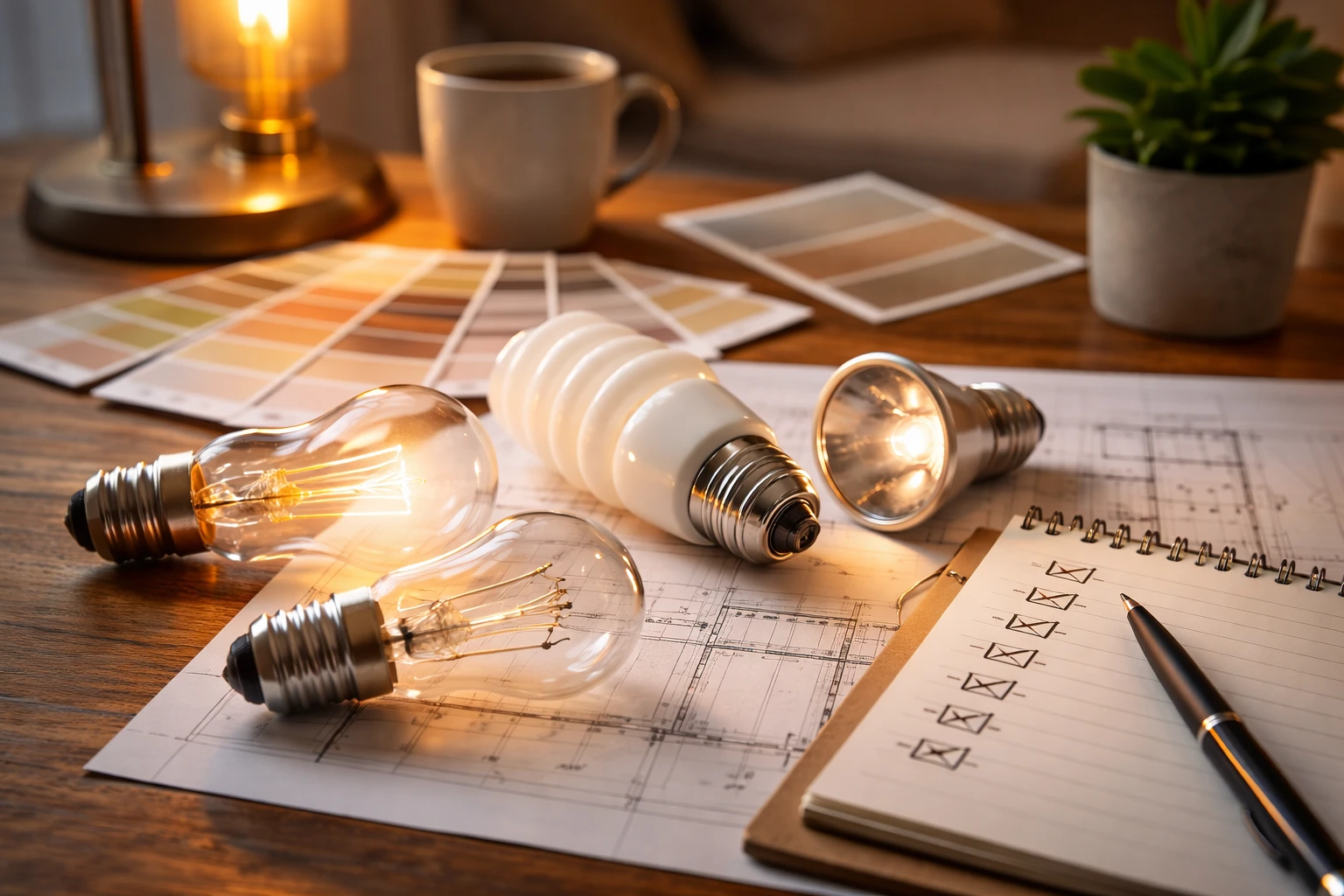
Before switching away from LEDs, ask better questions.
- Is comfort more important than efficiency?
- Do I need accurate color?
- Will the lights be dimmed frequently?
- Is this a task space or a mood space?
For homes, mixing lighting types often produces the best results. Use LEDs where efficiency matters. Use alternatives to LED lights where quality matters.
Balance beats purity.
Environmental and Regulatory Realities
Efficiency standards have shaped lighting availability, but they don’t eliminate choice.
Some alternatives are regulated. Others are niche. Disposal matters, especially with fluorescent and HID systems.
Always check local codes and recycling options before committing.
Sustainability isn’t just about energy use. Longevity, repairability, and comfort matter too.
Are LEDs Still Useful? Absolutely.
This isn’t an anti-LED manifesto.
LEDs excel in:
- Outdoor lighting
- High-use areas
- Under-cabinet lighting
- Smart lighting systems
The smartest approach isn’t replacement. It’s integration.
Use LEDs where they shine. Use alternatives where they perform better.
Final Thoughts: Lighting Should Serve You
Lighting shapes how a space feels, functions, and lives.
The rise of LEDs simplified the market—but it also flattened it. Exploring alternatives to LED lights isn’t about rejecting progress. It’s about reclaiming choice.
I’ve seen rooms transformed simply by changing light sources. Not brighter. Better.
And that’s the goal.
Not efficiency at any cost.
Not trends for their own sake.
Just light that works—comfortably, beautifully, and intentionally.
FAQs
Some people experience eye strain, flicker sensitivity, or dislike the color quality of LEDs, especially in living or working spaces.
Most alternatives use more energy than LEDs, but they often provide better light quality, comfort, or color accuracy.
Incandescent and halogen bulbs offer the warmest, most natural-looking light available.
Yes, halogen bulbs typically last longer and are slightly more energy efficient than standard incandescent bulbs.
Fluorescent lights can work well in offices and commercial spaces, but some users find their light harsh or inconsistent.
Neon is better suited for decorative or accent lighting rather than general household illumination.
Incandescent, halogen, and high-quality fluorescent systems tend to produce smoother, flicker-free light.
Full-spectrum lighting can improve visual comfort and focus, especially in workspaces with limited natural light.
Yes, combining LEDs with alternatives to LED lights often creates better balance between efficiency and comfort.
Some options face regulations, but many alternatives remain available for specific uses and applications.