A well-functioning HVAC system is vital for maintaining comfort and a healthy indoor environment. Over time, however, these systems begin to lose their efficiency and reliability. In homes and businesses across Bossier City, LA, aging HVAC units can quietly contribute to declining air quality and rising energy costs.
Understanding how an older system affects both the air you breathe and your monthly utility bills can help homeowners recognize when it is time to consider maintenance, repairs, or an upgrade.
Diminished Efficiency and the Need for Timely Care
As heating and cooling equipment ages, it naturally experiences wear and tear that affects its ability to perform efficiently. Internal components such as motors, coils, and compressors begin to lose their strength and responsiveness. This inefficiency forces the unit to work harder to reach the desired temperature, leading to higher energy consumption and noticeable increases in utility bills.
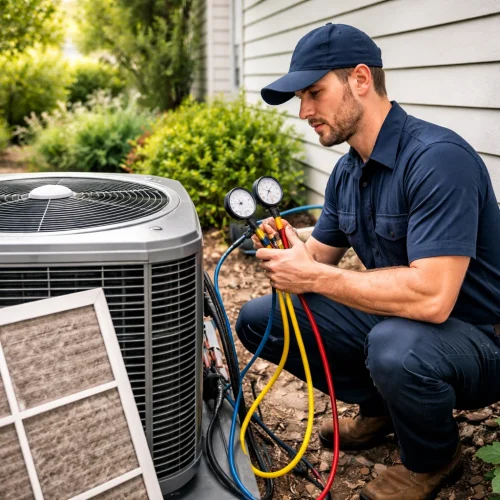
Routine maintenance and prompt attention to emerging issues can significantly reduce this strain. For instance, homeowners often seek professional heating system repair in Bossier City, LA, to restore performance before the equipment deteriorates further. Neglecting such repairs can accelerate energy waste and make the system more prone to costly breakdowns in the future.
How Aging Systems Affect Indoor Air Quality
Indoor air quality is directly linked to how effectively an HVAC system filters and circulates air. Over time, aging systems lose their ability to remove contaminants effectively. Dust, pollen, and other airborne particles can accumulate in ducts and on filters, eventually recirculating throughout living spaces. This buildup can trigger allergies, respiratory irritation, and general discomfort for occupants.
Older systems often struggle with humidity regulation as well. When humidity levels fluctuate, the air can feel either excessively dry or uncomfortably damp. Both conditions can negatively affect health and indoor comfort. Poor humidity control may also create an environment conducive to mold growth, which can further compromise air quality.
Increased Energy Usage and Costly Utility Bills
One of the most noticeable signs of an aging HVAC system is the steady climb in utility costs. When efficiency declines, the system requires more power to produce the same level of heating or cooling. This inefficiency often stems from worn components, dirty filters, and outdated technology that cannot match the energy-saving features of modern equipment.
Even small inefficiencies compound over time. A thermostat that no longer communicates accurately with the system or coils covered in dirt can cause the unit to cycle more frequently than necessary. Each extra cycle adds to energy consumption, which shows up as higher monthly bills. As these issues persist, homeowners may find that the cost of running the system outweighs the benefits of keeping it in service.
Decline in System Performance and Comfort Levels
Aging HVAC systems often fail to maintain consistent temperatures across different rooms. Some spaces may become noticeably warmer or cooler than others due to uneven air distribution or declining blower performance. This inconsistency can make it challenging to achieve the comfort levels that the system once provided with ease.
Noise is another indicator of aging components. Rattling, humming, or clanging sounds often suggest that internal parts are wearing out. While these noises might seem minor at first, they often point to underlying mechanical problems that affect both efficiency and comfort.
Airflow Obstruction and Contaminant Accumulation
When HVAC systems age, airflow tends to become restricted due to a combination of dirt buildup, worn-out fans, and blocked vents. Restricted airflow not only reduces comfort but also strains the system, making it more prone to overheating or shutting down unexpectedly.
Dust and debris accumulating within the ducts or blower can also become breeding grounds for bacteria and allergens. As air circulates, these contaminants spread throughout the space, affecting everyone inside. The result is not just poor air quality but also a system that must work harder to push air through the obstructions, further increasing energy usage.
The Link Between Poor Maintenance and Shortened Lifespan
Aging alone does not necessarily mean an HVAC system will fail prematurely. The real problem arises when regular maintenance is ignored. Filters left unchanged for months, refrigerant leaks left unrepaired, and electrical components allowed to deteriorate can all shorten the lifespan of the system. Each neglected maintenance task contributes to greater wear, leading to higher costs in the long run.
When a system operates under strain for extended periods, it loses its ability to perform efficiently. This not only increases energy costs but also affects comfort and indoor air cleanliness. The cycle of neglect often leads to major repairs that could have been avoided with proper care and professional attention.
Modern Solutions for Aging HVAC Systems
While older HVAC units may not match the efficiency of modern ones, homeowners can take steps to mitigate some of the negative effects of aging. Scheduling regular tune-ups, replacing filters every few months, and ensuring proper insulation can help maintain performance. Upgrading thermostats to modern programmable models can also help regulate temperatures more effectively, reducing unnecessary energy consumption.
When repairs become too frequent or costly, replacement becomes the most practical solution. Newer systems are designed to meet higher energy efficiency standards and offer improved air filtration technology.
The Hidden Health and Financial Costs of Neglect
Ignoring the impact of an aging HVAC system can have far-reaching consequences. Poor air quality can worsen allergies and respiratory issues, while inefficient energy use leads to higher utility bills month after month. Over time, these factors not only affect comfort but also influence long-term health and household finances.
Homeowners who pay attention to the early signs of system decline often find that proactive maintenance offers the best balance of performance and cost savings. Replacing worn components, sealing duct leaks, and keeping filters clean can collectively enhance air quality and reduce unnecessary energy expenditure.
As HVAC systems age, their performance gradually declines in ways that can go unnoticed until utility bills rise and indoor comfort diminishes. Recognizing the connection between aging equipment, air quality, and energy use is essential for maintaining a healthy, cost-effective living environment.
FAQs
Older systems struggle to filter contaminants effectively, causing dust, pollen, and other particles to recirculate throughout the home.
Worn components force the system to use more energy to maintain temperatures, which results in higher monthly energy costs.
Longer run times, uneven temperatures, frequent cycling, and rising energy bills are common indicators of declining efficiency.
Yes. Dirty filters, clogged ducts, and neglected repairs allow contaminants to build up and spread throughout your home.
As parts deteriorate, the system loses its ability to balance moisture levels, causing air to feel overly dry or uncomfortably damp.
If you notice unusual noises, inconsistent temperatures, or higher energy bills, a repair visit can prevent further system decline.
Blocked vents and buildup inside ducts reduce airflow, forcing the system to work harder and lowering overall comfort.
Yes. Poor humidity regulation and dirty components can create conditions that allow mold to develop in ducts or on coils.
Often, yes. Frequent repairs and high energy bills may outweigh the cost of upgrading to a modern, efficient system.
Regular filter changes, professional tune-ups, duct cleaning, and thermostat upgrades help maintain performance and reduce strain.