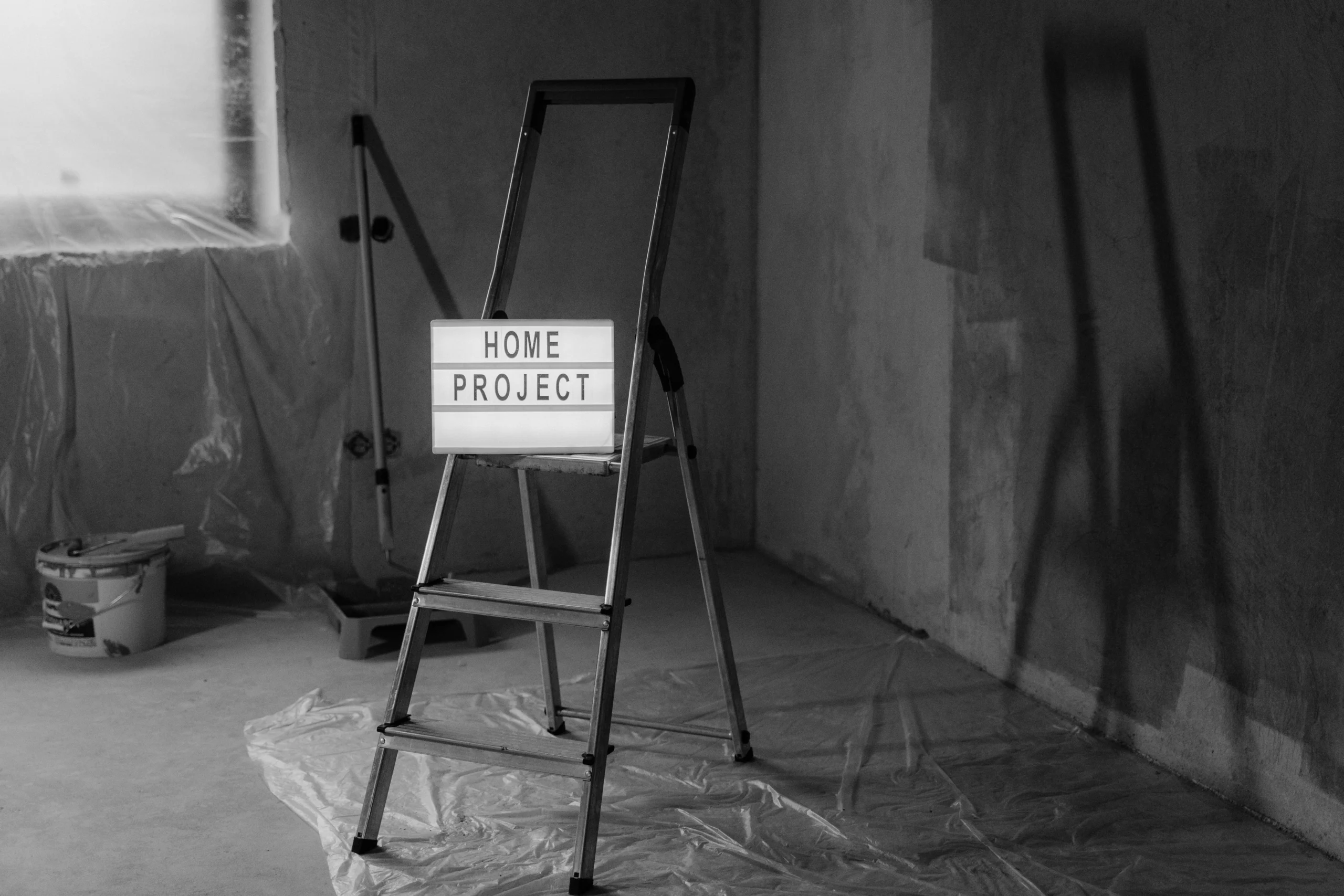
A home should reflect real habits, not an idealized version of daily life. Many homeowners in Seattle deal with compact layouts, shifting weather, and a strong focus on comfort, which all influence how spaces function. Remodeling works best when it responds to routines such as cooking styles, work-from-home setups, and storage needs. A thoughtful plan avoids trendy distractions and focuses on practical flow. Every room should support how time actually gets spent. A remodel that aligns with real behavior creates ease, reduces friction, and makes every square foot feel purposeful without forcing lifestyle changes that never stick.
1. Understand Daily Movement Patterns
Every effective remodel starts with observing how people move through a space. Morning routines, meal prep, and evening downtime reveal where layouts succeed or fail. Instead of guessing, track daily actions and note where congestion or frustration appears. Kitchens may need clearer prep zones, while living areas may require better seating flow. Small adjustments in layout often deliver major improvements. Focus on transitions between rooms rather than isolated upgrades. A home that supports natural movement reduces stress and improves comfort. Clear pathways, logical placement, and intentional spacing transform ordinary layouts into spaces that feel effortless and intuitive.
2. Design for Local Living Conditions
Climate, architecture, and lifestyle shape remodeling choices in powerful ways. Homes in the Seattle region often deal with moisture, limited daylight, and a strong desire for cozy interiors. Bathroom upgrades frequently require ventilation improvements and durable materials that handle damp conditions. Many homeowners work with a trusted Seattle bathroom remodeling company to address these specific challenges while improving layout efficiency. Storage solutions often reflect outdoor lifestyles, with space for gear and seasonal items. Thoughtful remodeling respects these regional patterns and integrates them into design decisions. Functionality improves when the environment influences material choices, layout planning, and long-term durability.
3. Prioritize Function Over Trends
Trends fade quickly, but functional design holds value for years. A remodel should solve real problems instead of chasing visual appeal alone. Open shelving may look appealing, but it often creates clutter in busy households. Oversized islands can dominate kitchens without improving workflow. Evaluate whether each feature supports daily use before committing to it. Function-first thinking ensures that every upgrade delivers lasting benefits. Materials, layouts, and fixtures should serve practical needs first and aesthetic goals second. A balanced approach avoids regret and keeps the home efficient. Long-term satisfaction always comes from spaces that work well every day.
4. Build Around Storage That Works
Clutter disrupts comfort, and poor storage design often causes it. Effective remodeling plans include storage that matches real habits rather than generic solutions. Deep drawers, hidden compartments, and vertical shelving can transform how items get organized. Consider what items need quick access and which ones stay tucked away. Storage should exist where activities happen, not in distant or inconvenient areas. A well-planned system reduces visual noise and simplifies daily routines. Thoughtful placement of cabinets, hooks, and built-ins creates order without effort. Practical storage design makes spaces feel larger, cleaner, and easier to maintain over time.
5. Create Multi-Use Spaces
Modern homes need flexibility. Rooms rarely serve a single purpose anymore, especially with remote work and shifting schedules. A dining area might double as a workspace, while a guest room may function as a hobby zone. Remodeling should support this adaptability through smart layouts and versatile furniture choices. Sliding partitions, fold-away desks, and modular storage allow spaces to shift easily. Flexibility adds long-term value and prevents the need for constant updates. A home that adapts to changing needs stays relevant and functional. Multi-use design ensures that every square foot earns its place in daily life.
6. Focus on Lighting That Supports Life
Lighting shapes how a space feels and functions. Natural light improves mood, while layered artificial lighting supports different activities. Remodeling plans should include a mix of ambient, task, and accent lighting. Kitchens benefit from focused lighting over prep areas, while living rooms require softer, adjustable options. Avoid relying on a single overhead fixture. Instead, create depth with multiple sources. Proper lighting reduces eye strain and enhances comfort throughout the day. Thoughtful placement of windows, fixtures, and dimmers ensures that each space responds to changing needs. Lighting design plays a critical role in usability.
7. Choose Materials That Match Usage
Materials must align with how spaces get used. High-traffic areas require durability, while low-use zones allow for more delicate finishes. Flooring, countertops, and cabinetry should handle wear without constant maintenance. Families with active routines benefit from scratch-resistant surfaces and easy-to-clean materials. Bathrooms and kitchens demand moisture-resistant choices that prevent long-term damage. Selecting materials based on real use avoids unnecessary repairs and replacements. A practical approach ensures longevity and reduces upkeep. The right materials not only look good but also perform consistently. Smart selection supports both daily convenience and long-term value.
8. Improve Flow Between Spaces
A home should feel connected, not fragmented. Remodeling often improves flow by removing barriers or redefining transitions. Open layouts work well when they maintain clear zones for different activities. Partial walls, wide doorways, and consistent flooring can create continuity without losing structure. Flow depends on how easily people move between areas and how spaces relate to each other. Good design reduces awkward transitions and unused corners. A cohesive layout enhances both functionality and comfort. When rooms connect naturally, the entire home feels more inviting and efficient without requiring drastic structural changes.
9. Plan for Long-Term Needs
A successful remodel considers future needs as much as current ones. Life changes quickly, and homes should adapt without requiring constant renovation. Aging-in-place features, flexible layouts, and durable materials help extend usability. Wider doorways, step-free entries, and accessible storage improve comfort over time. Planning ahead reduces costs and disruptions later. A forward-thinking approach ensures that the home remains practical through different life stages. Small adjustments made early can prevent major changes later. Designing with longevity in mind creates a space that continues to serve its purpose without frequent redesign.
Remodeling around real living patterns transforms a house into a space that truly supports everyday life. Each decision should reflect actual habits, from movement flow to storage needs and material choices. A practical approach ensures that upgrades deliver lasting value instead of temporary appeal. When design aligns with daily routines, comfort increases and frustration disappears. A well-planned remodel simplifies tasks, improves organization, and enhances overall quality of life. Homes should evolve with the people who live in them, not the other way around. Thoughtful remodeling creates spaces that feel natural, functional, and genuinely satisfying every single day.
FAQs
Designing around real routines ensures your home functions smoothly and reduces daily frustration.
Pay attention to where you feel cramped, slowed down, or disorganized during daily activities.
Trends can inspire ideas, but functionality should always come first for long-term satisfaction.
Storage that matches your habits—like drawers near work areas or built-ins for daily items—works best.
Focus on layout efficiency, multi-use furniture, and smart storage to maximize every square foot.
They are rooms designed for more than one purpose, helping your home adapt to changing needs.
Proper lighting improves comfort, visibility, and mood while supporting different tasks throughout the day.
Durable, low-maintenance materials like scratch-resistant flooring and moisture-resistant surfaces are ideal.
Open pathways, wider doorways, and consistent design elements help create smoother transitions.
Planning ahead ensures your home remains functional as your lifestyle evolves, reducing the need for future renovations.