Mulch plays an essential role in any well-kept garden. It helps retain moisture, regulate soil temperature, suppress weeds, and improve the overall health of plants. However, not all mulch options are created equal. Traditional mulches like dyed wood chips or synthetic materials often come with hidden environmental costs—ranging from chemical leaching to poor biodegradability.
If you’re looking to create a garden that thrives naturally and reduces your ecological footprint, eco-friendly mulch alternatives offer a sustainable solution. These options not only nourish your soil but also support local ecosystems and make your landscaping efforts more earth-conscious.
Understanding the Role of Mulch in the Garden
Before diving into alternatives, it’s helpful to understand what mulch does for your landscape. Mulch acts as a protective layer placed over soil. Its primary functions include:
- Moisture retention: Reduces evaporation, keeping soil hydrated longer.
- Temperature regulation: Insulates roots against temperature extremes.
- Weed suppression: Blocks light, preventing weed seed germination.
- Soil enrichment: Adds organic matter as it decomposes.
- Erosion prevention: Protects soil from runoff during heavy rain.
Traditional mulches often meet these needs but at a cost. Dyed wood chips, for instance, can contain harmful chemicals, while synthetic rubber mulch contributes to microplastic pollution. Eco-friendly alternatives achieve the same (or better) results naturally.
1. Compost: The Garden’s Natural Blanket
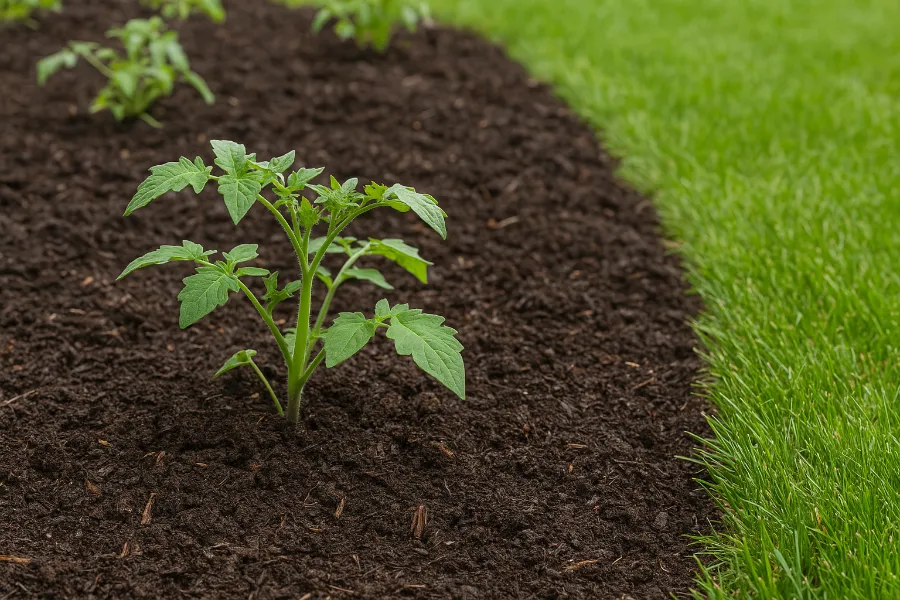
Compost is perhaps the most sustainable mulch available. It’s created from decomposed organic matter like kitchen scraps, leaves, and grass clippings. When spread over your garden, it provides rich nutrients while maintaining soil structure.
Why it’s eco-friendly:
- Made from waste materials that would otherwise end up in landfills.
- Improves soil health naturally by boosting microbial activity.
- Reduces the need for synthetic fertilizers.
Best uses:
Compost is excellent for vegetable gardens, flower beds, and around trees. It’s particularly effective for gardens that require frequent nutrient replenishment.
Pro tip: Apply a 2–3 inch layer, but avoid piling it directly against plant stems to prevent rot.
For more about composting methods and benefits, see the U.S. Environmental Protection Agency (EPA) Composting Basics page.
2. Grass Clippings: A Readily Available Resource
Freshly mowed grass is another natural mulch option that many homeowners overlook. Instead of bagging and disposing of it, grass clippings can be repurposed to nourish your soil.
Why it’s eco-friendly:
- Completely biodegradable and free (you’re already mowing your lawn).
- High in nitrogen, which helps enrich soil fertility.
- Eliminates the need for plastic lawn waste bags.
Best uses:
Ideal for vegetable gardens or newly planted areas that need moisture retention.
Pro tip: Let clippings dry for a day before applying them to avoid matting, which can block air and water flow.
3. Shredded Leaves: Nature’s Free Mulch
When autumn arrives, fallen leaves are often seen as waste—but they’re actually one of the best mulching materials you can find. Shredded leaves create a light, breathable mulch that decomposes slowly, feeding your garden over time.
Why it’s eco-friendly:
- 100% renewable and locally sourced.
- Provides habitat for beneficial insects and earthworms.
- Improves soil structure as it breaks down.
Best uses:
Perfect for flower gardens, shrub borders, and vegetable beds.
Pro tip: Shred leaves using a lawn mower or leaf shredder to prevent them from matting together.
4. Pine Needles: Natural and Aromatic
Pine needles, also known as pine straw, are a sustainable alternative that’s particularly useful in regions with abundant pine trees. They create a soft, airy mulch layer that resists compaction.
Why it’s eco-friendly:
- Renewable—harvested without harming trees.
- Breaks down slowly, reducing the need for frequent reapplication.
- Allows excellent airflow and water infiltration.
Best uses:
Great for acid-loving plants like blueberries, azaleas, and rhododendrons.
Pro tip: If your soil is already acidic, monitor pH levels to avoid over-acidifying.
5. Straw and Hay: Lightweight and Effective
Straw mulch (from cereal crops like wheat or oats) and hay are popular among gardeners for their affordability and effectiveness. They’re lightweight, biodegradable, and readily available from local farms or garden centers.
Why it’s eco-friendly:
- Decomposes naturally, enriching soil with organic matter.
- Helps prevent erosion on slopes and uneven terrain.
- Often sourced as a byproduct of farming.
Best uses:
Ideal for vegetable gardens and around fruit plants.
Pro tip: Choose seed-free straw to prevent unwanted sprouts. Avoid hay that may contain weed seeds or pesticide residues.
6. Coconut Coir: A Sustainable Tropical Option
Coconut coir (or coco mulch) is made from the fibrous husk of coconuts. Once considered waste, this material is now a favorite among eco-conscious gardeners for its excellent moisture retention and durability.
Why it’s eco-friendly:
- Made from a renewable, recycled resource.
- Retains water exceptionally well while still allowing aeration.
- Neutral pH and resistant to mold.
Best uses:
Perfect for potted plants, raised beds, and areas needing consistent moisture levels.
Pro tip: Soak coir in water before spreading—it expands significantly and becomes easier to apply.
7. Bark and Wood Chips (from Local Sources)
While traditional dyed wood chips can be environmentally questionable, untreated, locally sourced wood chips are an excellent mulch choice. They offer durability and natural aesthetics.
Why it’s eco-friendly:
- Often sourced from tree trimmings or arborist leftovers.
- Biodegradable and long-lasting.
- Reduces waste from the tree removal industry.
Best uses:
Great for pathways, ornamental beds, and around trees.
Pro tip: Avoid colored or chemically treated wood chips. Natural varieties (like cedar or cypress) deter pests and fungi.
8. Newspaper or Cardboard: Recycled Weed Barrier
Using old newspapers or cardboard boxes as mulch might sound unconventional, but it’s a surprisingly effective and sustainable option. These materials block weeds, regulate temperature, and break down over time.
Why it’s eco-friendly:
- Repurposes waste materials that would otherwise be discarded.
- Suppresses weeds without chemicals.
- Eventually decomposes, enriching soil with carbon.
Best uses:
Excellent as a base layer under compost, straw, or wood chips for deep mulching.
Pro tip: Use plain, non-glossy paper and remove tape or stickers from cardboard. Wet it before layering to prevent wind displacement.
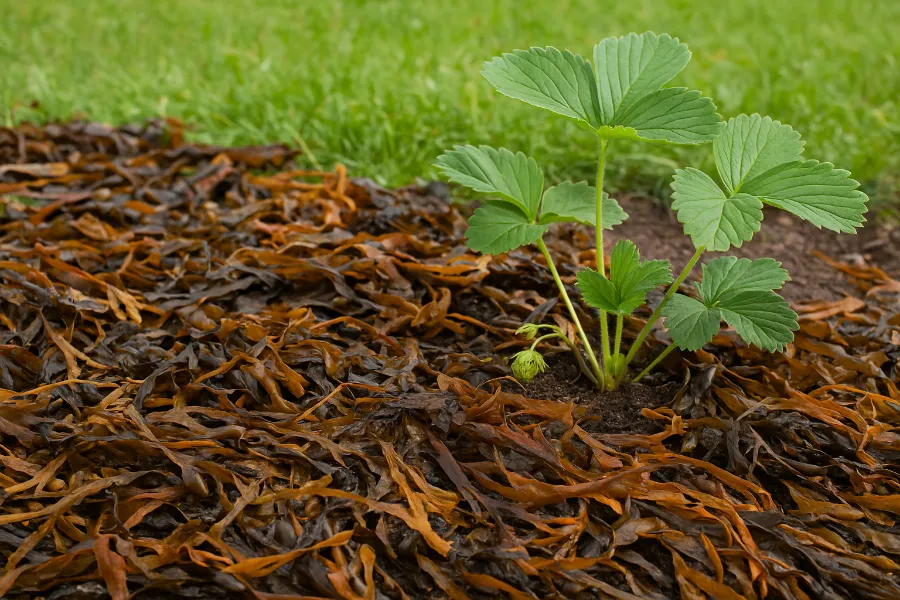
9. Seaweed: Coastal Garden Gold
If you live near the coast, seaweed mulch can be a natural and nutrient-rich option. It’s packed with minerals and trace elements beneficial to plants and soil health.
Why it’s eco-friendly:
- Harvested sustainably without harming marine ecosystems.
- Adds valuable nutrients like potassium and magnesium.
- Naturally deters slugs and pests.
Best uses:
Perfect for coastal gardens, vegetable plots, and sandy soils.
Pro tip: Rinse seaweed before use to remove excess salt, especially if sourced directly from the shore.
10. Living Mulch: Groundcovers That Work for You
A living mulch consists of low-growing plants that spread to cover soil surfaces. Instead of a static layer, it creates a dynamic, self-sustaining ecosystem that reduces maintenance.
Why it’s eco-friendly:
- Prevents erosion and retains soil moisture naturally.
- Attracts pollinators and supports biodiversity.
- Adds year-round greenery to your landscape.
Best uses:
Creeping thyme, clover, or chamomile are great living mulch options for flower beds and between pathways.
Pro tip: Choose native species to ensure compatibility with your local climate and reduce water requirements.
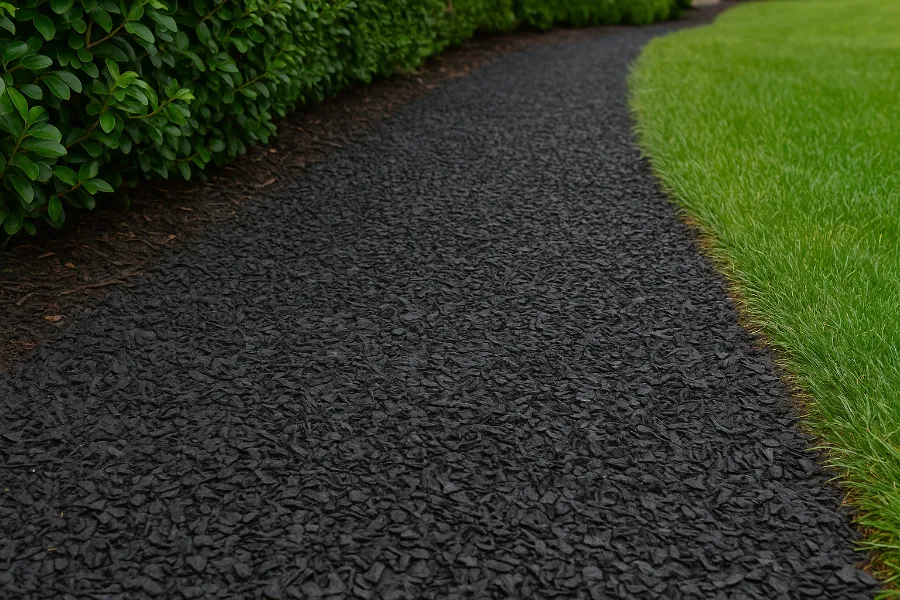
11. Recycled Rubber Mulch (With Caution)
Although not organic, recycled rubber mulch made from old tires is sometimes considered eco-friendly because it reuses waste materials. However, it’s best used in specific, non-garden applications.
Why it’s eco-friendly (conditionally):
- Keeps tires out of landfills.
- Long-lasting and low maintenance.
- Effective for playgrounds or paths rather than planting beds.
Best uses:
Ideal for play areas, pathways, and erosion-prone zones.
Caution: Avoid using around edible plants, as rubber may leach chemicals over time.
12. Stone and Gravel: Long-Term Sustainable Choices
Though inorganic, stones and gravel can be eco-friendly when used strategically. They provide excellent drainage, resist decomposition, and reduce the need for replacement.
Why it’s eco-friendly:
- Durable and reusable for years.
- Minimizes soil compaction.
- Prevents weed growth without chemicals.
Best uses:
Perfect for xeriscaping, succulent gardens, and pathways.
Pro tip: Combine with landscape fabric or organic mulch layers to balance aesthetics with plant health.
Choosing the Right Eco-Friendly Mulch
The best mulch depends on your garden’s climate, soil, and plants. Here’s a quick guide:
| Garden Type | Recommended Eco Mulch | Key Benefits |
|---|---|---|
| Vegetable Beds | Compost, straw, shredded leaves | Nutrient-rich, moisture-retentive |
| Flower Gardens | Pine needles, bark chips, coir | Aesthetic and long-lasting |
| Trees & Shrubs | Wood chips, leaves, or gravel | Weed suppression, soil insulation |
| Paths & Walkways | Gravel, recycled rubber, bark | Durable and low-maintenance |
| Containers & Raised Beds | Coconut coir, compost | Lightweight and nutrient-rich |
Tips for Applying Eco-Friendly Mulch
- Depth matters: Apply mulch 2–4 inches deep. Too thin won’t block weeds; too thick can suffocate roots.
- Keep distance: Leave a small gap around plant stems and tree trunks to prevent rot.
- Replenish yearly: Organic mulches decompose and should be topped up annually.
- Mix and match: Layer different types—like cardboard under compost—for superior results.
Environmental Benefits Beyond the Garden
Choosing eco-friendly mulch does more than just improve your garden. It contributes to broader sustainability goals:
- Reduces landfill waste: By recycling materials like leaves and paper.
- Conserves water: By keeping soil moisture levels stable.
- Supports biodiversity: By creating habitats for insects and microorganisms.
- Cuts carbon footprint: Less dependence on processed or dyed materials.
Sustainable mulching is one of the simplest, most effective ways to make your gardening practices more eco-conscious without sacrificing beauty or function.
Final Thoughts
Eco-friendly mulch alternatives are more than just replacements they’re enhancements that restore balance between your garden and nature. By using locally sourced, biodegradable, or recycled materials, you create a landscape that sustains itself and the planet.
Whether it’s compost feeding your vegetables, pine needles softening your pathways, or coconut coir nurturing your potted plants, every sustainable choice adds up. A greener garden starts with what you lay beneath your plants and choosing the right mulch can make all the difference.
FAQs
Compost and shredded leaves are top choices because they enrich the soil and are fully biodegradable.
Yes, dried grass clippings make excellent mulch and naturally add nitrogen to the soil.
Pine needles work best for acid-loving plants like azaleas and blueberries but should be used sparingly on neutral soils.
When layered correctly and kept moist, cardboard mulch rarely attracts pests and effectively suppresses weeds.
Most organic mulches should be replenished once a year as they decompose and feed the soil.
Coconut coir holds moisture better and decomposes faster, while wood chips last longer but offer fewer nutrients.
Yes, combining materials—like cardboard under compost—improves weed control and soil health.
They are eco-friendly in dry climates since they’re durable, reusable, and reduce the need for water.
Compost, straw, or shredded leaves are safest because they’re organic and free from chemicals.
Absolutely. These mulches reduce evaporation, keeping soil moist longer and lowering overall water usage.