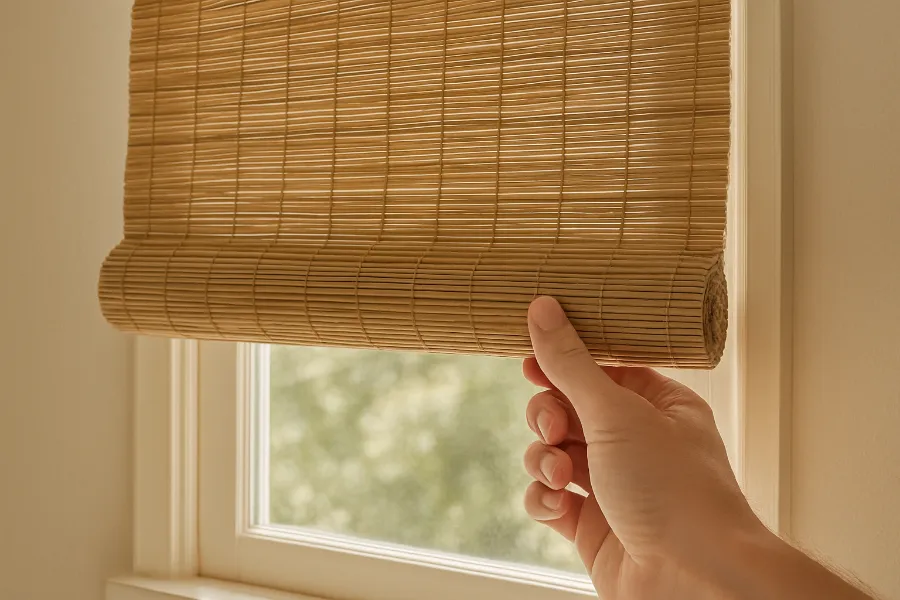
If you’ve been searching for a window treatment that instantly warms up a space, adds texture, filters light beautifully, and feels both modern and timeless, then bamboo blinds indoor might just be your new favorite design upgrade. I’ve used bamboo blinds in several indoor projects over the years, and every single time, the transformation feels effortless. They bring in that soft, natural glow, a sense of calm, and a handcrafted touch that’s hard to replicate with synthetic options.
What I love most? Bamboo blinds are approachable. They don’t scream for attention, yet they completely shift the vibe of a room. They’re also eco-friendly, durable, and endlessly versatile. But, like any interior detail, there’s a right and wrong way to use them. And if you’re planning to bring bamboo blinds indoor into your home, this guide is your blueprint for getting it right. Let’s dive in with the perfect blend of design inspiration and practical know-how.
What Are Bamboo Blinds & Why They Work So Well Indoors
Bamboo blinds, often called cellular shades, have a long, culturally rich history. Originating in India and used for centuries throughout Asia, these blinds were created to block harsh sunlight while still allowing breezes to pass through. That same functional beauty is exactly why today’s designers adore them.
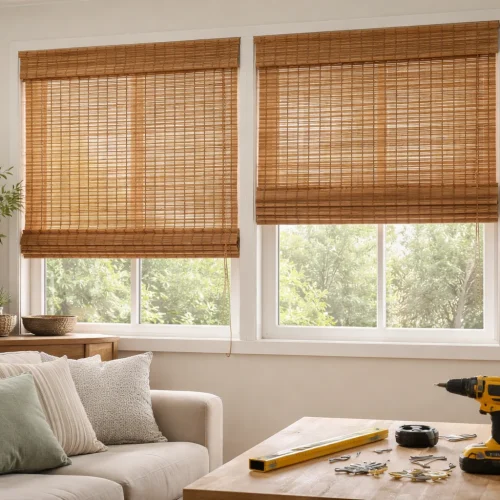
Indoors, bamboo blinds offer a soft, dappled light effect that beautiful pattern of daylight that feels almost meditative. The natural bamboo strips, reeds, or grasses are woven together in horizontal compositions that diffuse light rather than completely blocking it. Indoors, this creates an atmosphere that’s warm, human, and visually textured. They’re also an environmentally smart choice. Bamboo grows rapidly, regenerates without replanting, and has an exceptionally low ecological footprint. Today, sustainability matters more than ever in design, and bringing bamboo blinds indoor is one simple way to make an eco-positive choice without sacrificing style.
The Benefits of Using Bamboo Blinds Indoors
Natural Light Filtering & Visual Comfort
One of the biggest advantages of bamboo blinds indoors is how gracefully they filter sunlight. Unlike fabric shades or metal blinds that create hard shadows, bamboo diffuses daylight into a soft, ambient glow. Research on daylighting shows that woven bamboo offers an appealing mix of light control and visual comfort reducing glare while maintaining a connection to the outdoors. In living rooms and kitchens with abundant sunlight, this quality is a game-changer. You get brightness without strain, warmth without glare, and light without harshness.
Aesthetic Versatility Across Styles
Whether your home leans modern, Scandinavian, cottagecore, mid-century, coastal, boho, or eclectic, bamboo blinds fit right in. Their neutral, organic texture makes them one of the most universally adaptable window treatments available.
Interior designers love pairing them with:
- Linen curtains
- Flowy sheer panels
- Textured drapes
- Natural fibers like jute, rattan, and sisal
They’re subtle but substantial the kind of design detail that looks intentional without feeling overdone.
Durable, Eco-Friendly, and Long-Lasting
Bamboo is naturally strong and lightweight, which makes bamboo blinds durable enough for long-term indoor use. They resist warping, hold their shape well, and offer years of reliable performance. Combined with their sustainable sourcing, this makes them a smart home investment that’s good for the planet and your interior.
Common Mistakes to Avoid When Choosing Bamboo Blinds Indoors
Choosing the Wrong Color Tone
This is the mistake I see most often: homeowners pick a bamboo tone that’s either too yellow, too orange, or too dark for the space. Indoors, color harmony matters enormously, and the wrong undertone can make an otherwise beautiful room feel mismatched. Warm-toned bamboo can clash with cool paint colors. Dark bamboo can shrink a small room. Yellow hues might compete with natural oak floors or pale woods.
Always order swatches. Always.
Choosing an Overly Complex Weave
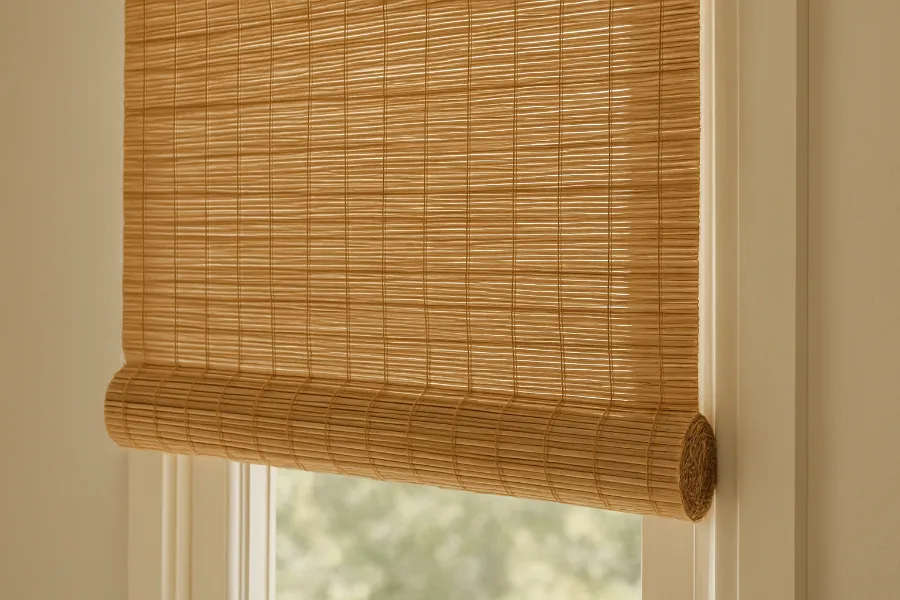
Intricate bamboo weaves look stunning… until dust settles in every crevice. When used indoors, simpler weaves are easier to clean and tend to age more gracefully. They also diffuse light more evenly. If you’re someone who wants low-maintenance beauty, choose a medium or tight weave with minimal ornamentation.
Ignoring Edge Finishing
Poorly finished edges instantly make bamboo blinds look cheap. Frayed edges, loose threads, and uneven stitching are red flags.
High-quality indoor bamboo blinds should have:
- Clean, even stitching
- Smooth binding
- Finished hems
- A consistent weave
Craftsmanship is the difference between “budget DIY rental upgrade” and “professionally curated interior.”
How to Select the Right Indoor Bamboo Blinds for Your Home
Accurate Measuring Matters A Lot
Inside mount or outside mount? It impacts both the look and the fit.
Inside mount is great when:
- The window frame is deep
- You want a clean, built-in appearance
Outside mount works best when:
- You need more light control
- You want to make small windows look bigger
- Your frames aren’t perfectly square
Measure width in three spots: top, center, bottom.
Measure height in two spots: left and right.
Use the smallest width and the longest height. Precision matters here!
Light Control Levels
Bamboo blinds can be:
- Sheer (soft filtering)
- Light-filtering (the most common indoor choice)
- Room-darkening (usually with added liners)
Want nighttime privacy in bedrooms? Pair bamboo blinds with:
- A blackout roller
- A fabric liner
- Layered curtains
Choosing the Best Weave, Color & Texture
Think of bamboo blinds as part of your interior’s larger texture story.
Here’s what works well indoors:
- Soft brown or cashew tones for warmth
- Neutral tans for flexibility
- Subtle striped weaves for character
- Tight weaves for minimalism
- Open weaves for casual, breezy spaces
Always compare the material in your home’s lighting. Bamboo shifts tone throughout the day, and that’s part of its charm but only if the tone harmonizes with your palette.
Where to Use Bamboo Blinds Indoors
In Living Rooms
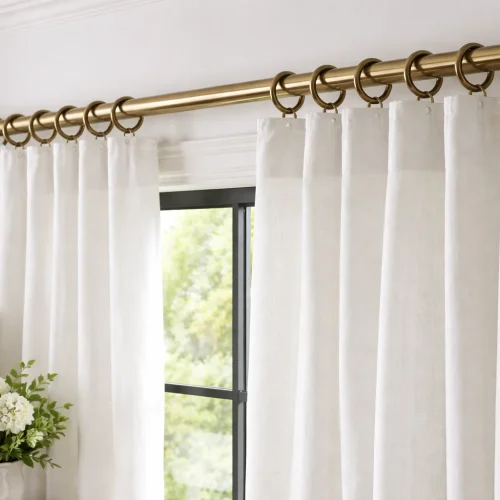
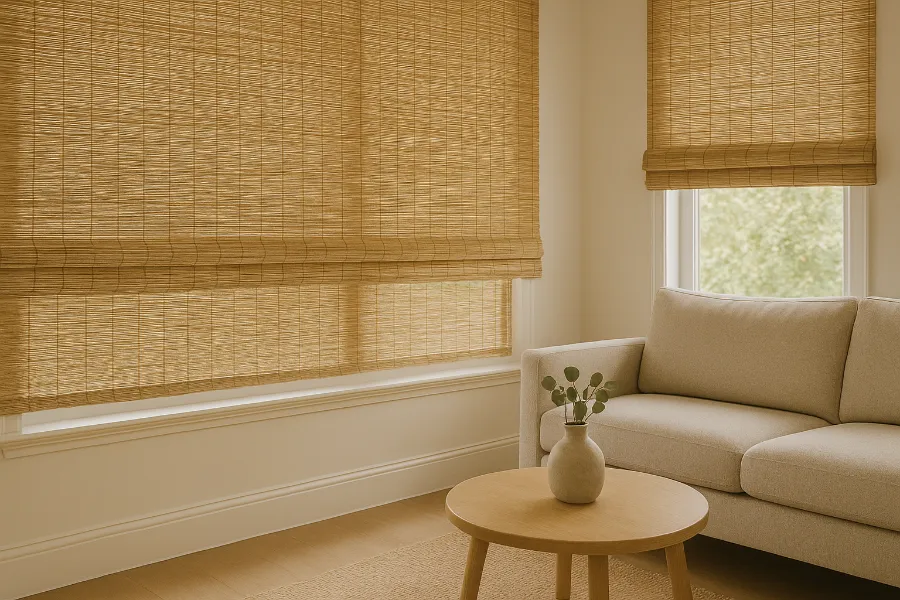
They add an instant sense of calm and warmth. Pairing bamboo blinds with linen drapes creates a layered, designer-approved look that feels expensive but approachable.
In Kitchens & Bathrooms
Surprisingly, bamboo blinds excel here designers love using them where light is abundant but privacy matters. Their natural material brings softness to tile-heavy spaces. Just avoid direct water exposure.
In Bedrooms
With the right liner, bamboo blinds become the perfect balance of cozy and functional. Their soft texture naturally enhances a restful environment.
In Study Rooms or Creative Spaces
Bamboo blinds help control glare on screens and provide a grounded, natural background that supports focus.
Styling Ideas: How Designers Use Bamboo Blinds Indoors
Combine with Curtains
This is the biggest secret in designer styling: bamboo blinds + curtains = depth.
Try:
- Bamboo blinds + sheer curtains
- Bamboo blinds + linen drapery
- Bamboo blinds + textured cotton panels
Layer Natural Textures
Bring in:
- Jute rugs
- Rattan chairs
- Wood tables
- Textured throws
The goal is a cohesive natural palette that feels curated but effortless.
Use Bamboo in Modern or Minimal Homes
Contrary to popular belief, bamboo works incredibly well in minimalist spaces. A simple bamboo blind introduces softness to an otherwise sleek room, creating a balanced aesthetic.
Maintenance & Care Tips for Indoor Bamboo Blinds
Dusting, Vacuuming & Spot Cleaning
Weekly: Light dusting
Monthly: Vacuum with a brush attachment
Seasonally: Spot clean with a damp (not wet!) cloth
Avoid soaking bamboo. Moisture can cause warping or mold, especially indoors.
Long-Term Longevity Tips
- Install away from direct splashes or high humidity
- Avoid strong detergents
- If the bamboo looks dry, lightly condition once a year
With proper care, indoor bamboo blinds last many years and age beautifully developing a richer, more lived-in character.
FAQs
Yes, bamboo blinds are excellent indoors because they filter natural light beautifully, add texture, and are durable and eco-friendly.
During the day, they offer moderate privacy while still allowing light in. For night privacy, pair them with a liner or curtains.
Yes just avoid direct water exposure. Choose high-quality bamboo with good finishing to prevent warping.
Dust weekly, vacuum monthly with a brush attachment, and spot clean lightly with a damp cloth. Avoid soaking the material.
Not on their own. They filter light, creating a warm glow. For room darkening, add a blackout liner or roller shade behind them.
With proper care, high-quality bamboo blinds can last 5–10+ years due to their natural durability.
They complement Scandinavian, boho, coastal, minimalist, mid-century, and organic modern interiors beautifully.
Gradual softening of color is natural but not harmful. Protect them from harsh direct sun for longer-lasting tone.
Yes, especially cordless or motorized versions. Corded blinds should have safety tensioners installed.
Absolutely this is a designer favorite. Bamboo blinds + linen or sheer curtains add depth, warmth, and better light control.