This post contains affiliate links. As an Amazon Associate, I earn from qualifying purchases, at no extra cost to you. See our disclosure policy.
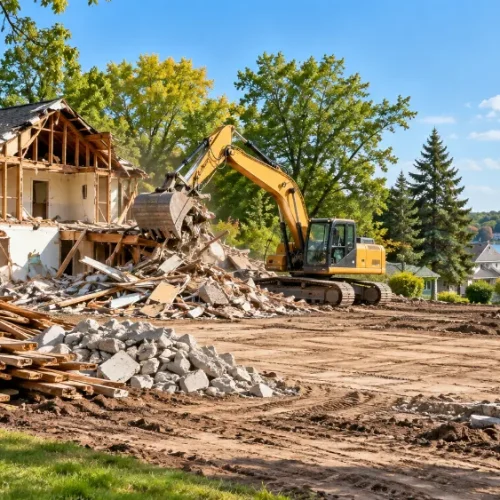
Completing a home renovation is incredibly rewarding, but the final swing of the hammer rarely marks the end of the hard work. Instead, it usually reveals an entirely new challenge. A stubborn layer of fine, powdery dust seems to coat every single surface, drifting into rooms that were not even part of the remodel. When you are focused on starting a DIY home makeover on a budget, it is incredibly important to remember your personal limits. Tackling a massive post-construction clean-up all alone can quickly lead to exhaustion and burnout, hitting you right at the exact moment when you should be enjoying your newly upgraded space.
The Hidden Impact of Construction Dust
Post-renovation dust is much more than just a frustrating eyesore or a minor inconvenience. It is actually a genuine hazard to your indoor environment. Whether you have been sanding timber floors, cutting architraves, or installing new plasterboard, the resulting particulate matter can linger in the air long after the power tools are packed away in the garage.
According to the US Environmental Protection Agency, remodeling activities create harmful dust and pollutants that can severely impact your indoor air quality if not properly contained, and they recommend maximum exhaust ventilation during the work and for at least 72 hours after finishing. If left unaddressed, these microscopic particles can settle deep into your carpet fibres, drift into your air conditioning vents, and trigger lingering respiratory issues for your family. Proper extraction is non-negotiable for a safe, healthy home.
Knowing When to Call in the Experts
After weeks or months of living inside a messy construction zone, your energy reserves are likely running incredibly low. Attempting to scrub down walls, ceilings, and floors with standard household equipment often results in simply pushing the fine dust around rather than actually extracting it. A standard vacuum cleaner might even blow the finest plaster dust right back out into the air, completely undoing all of your hard work.
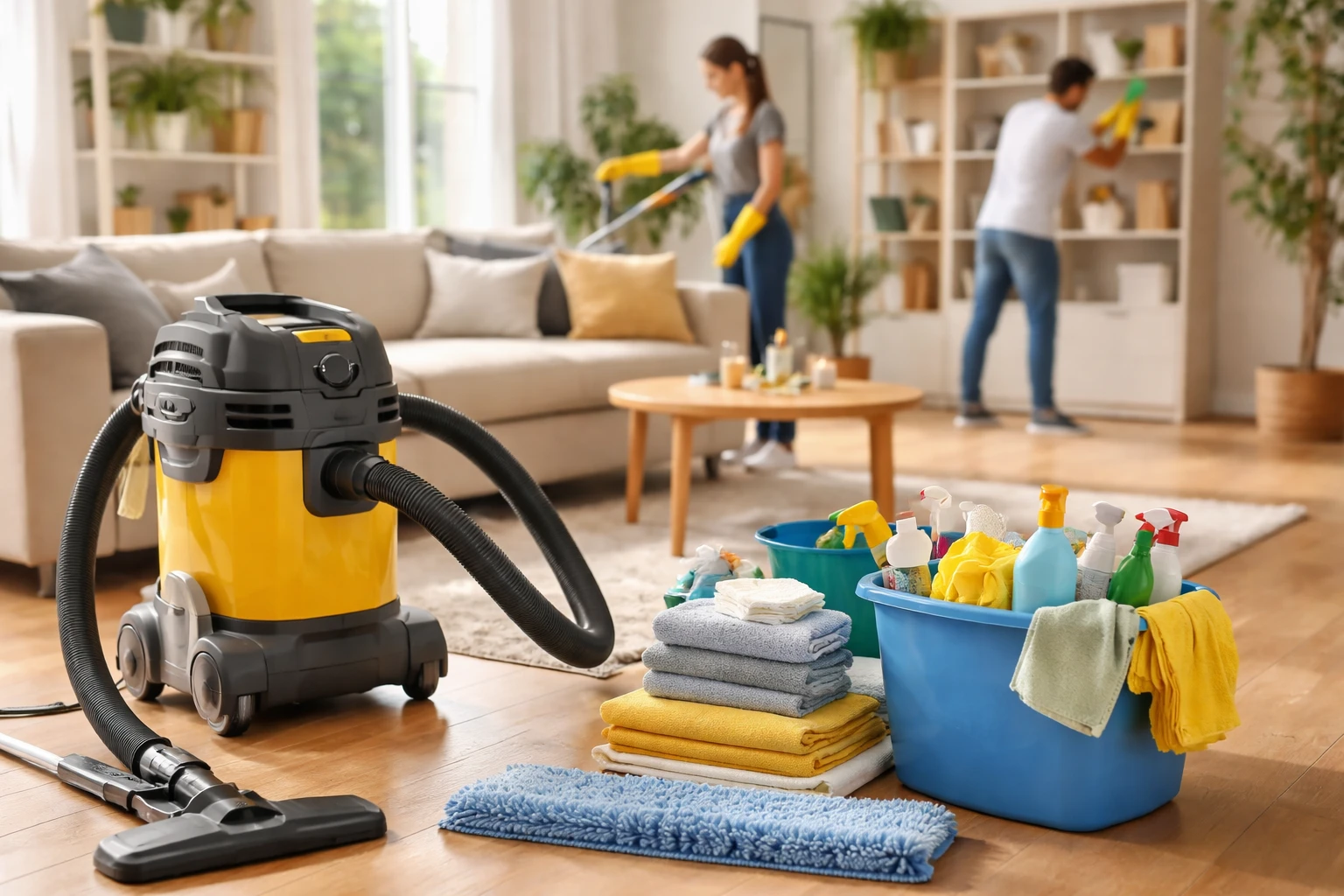
This is exactly where professional intervention becomes a highly strategic move for homeowners. By enlisting specialists like Optima Cleaners for a dedicated after-builders clean, you ensure that industrial-grade HEPA vacuums and heavy-duty extraction methods are used to thoroughly sanitise the property. Handing over the heavy lifting allows you to bypass the gruelling clean-up phase entirely. More importantly, it helps you save your creative energy for the fun part of the project, which is styling your newly refreshed room.
Essential Steps to Clear Lingering Dust
If you decide to manage some of the preliminary cleaning yourself before the professionals arrive, a strategic approach is absolutely vital. You must always start from the ceiling and work your way down to the floor so you do not have to clean the exact same surface twice.
- Change your air filters: Your heating and cooling systems will have sucked in a massive amount of airborne debris during the build. Swap out the filters immediately to stop them from recirculating dust through the entire house.
- Wipe down walls and ceilings: Use a slightly damp microfibre mop to gently sweep across overhead surfaces. Dry dusting will only push particles back into the room to settle later.
- Vacuum first, sweep later: Always use a vacuum equipped with a high-quality HEPA filter. Sweeping with a traditional broom creates a huge cloud of debris that will inevitably settle right back onto your freshly cleaned floors.
- Clean fixtures and fittings: Do not forget to wipe down ceiling fan blades, light fixtures, window tracks, and door frames, as these flat surfaces are notorious dust traps.
- Wash your soft furnishings: Window treatments, throw cushions, and loose rugs should be laundered or professionally steamed to remove any trapped particles.
Transitioning from Construction Zone to Styled Sanctuary
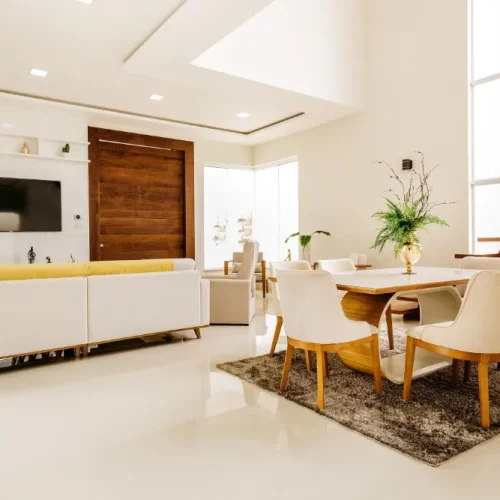
Once the air is finally clear and every surface is sparkling, the real aesthetic transformation begins. Transitioning a sterile, freshly painted box into a welcoming sanctuary requires thoughtful layering and a good eye for detail. Start by rolling out your base floor rugs to anchor the room and provide acoustic warmth. Next, bring in your larger furniture pieces, ensuring you leave enough negative space to allow the room to breathe comfortably.
Now is the time to introduce your unique personality through colour and texture. Soft window furnishings, textured throw blankets, and vibrant indoor plants will instantly soften the harsh edges of a newly renovated space. Because you avoided the complete exhaustion of the post-build scrub, you can actually take your time curating these final decorative touches. You can spend an afternoon arranging your favourite artwork, styling your bookshelves, and turning your house back into a true home.
Surviving a home renovation is a massive achievement that deserves to be celebrated. However, the bridge between a finished build and a beautiful living area is all about effectively managing the mess. By prioritising proper dust extraction, you protect your family’s health and set the perfect blank canvas for your interior design vision. Enjoying the fruits of your hard work is ultimately the most rewarding part of the entire home improvement journey.
FAQs
Post-renovation dust is extremely fine and lightweight, allowing it to settle into cracks, fabrics, and air systems, making it harder to fully eliminate with basic cleaning methods.
Yes, it can contain particles like silica, wood dust, and chemicals that may irritate the lungs, trigger allergies, or worsen respiratory conditions.
Without proper ventilation and cleaning, fine dust can linger in the air and on surfaces for days or even weeks after construction ends.
You should replace air filters immediately after renovation work to prevent dust from circulating, then continue cleaning to remove any remaining particles.
Most standard vacuums are not effective and may even redistribute fine dust; a vacuum with a HEPA filter is strongly recommended.
Always clean from top to bottom—start with ceilings and walls, then move to surfaces and floors to avoid recontaminating cleaned areas.
Yes, soft furnishings like curtains, rugs, and cushions can trap dust and should be washed or professionally cleaned.
If the dust is extensive, persistent, or you lack the proper equipment, professional cleaners can ensure a deeper and more efficient clean.
Use plastic barriers, seal vents, and maintain proper ventilation to contain dust within the work area.
Once all surfaces are dust-free and the air feels clear, you can begin styling your space without worrying about dust settling on new décor.