This post contains affiliate links. As an Amazon Associate, I earn from qualifying purchases, at no extra cost to you. See our disclosure policy.
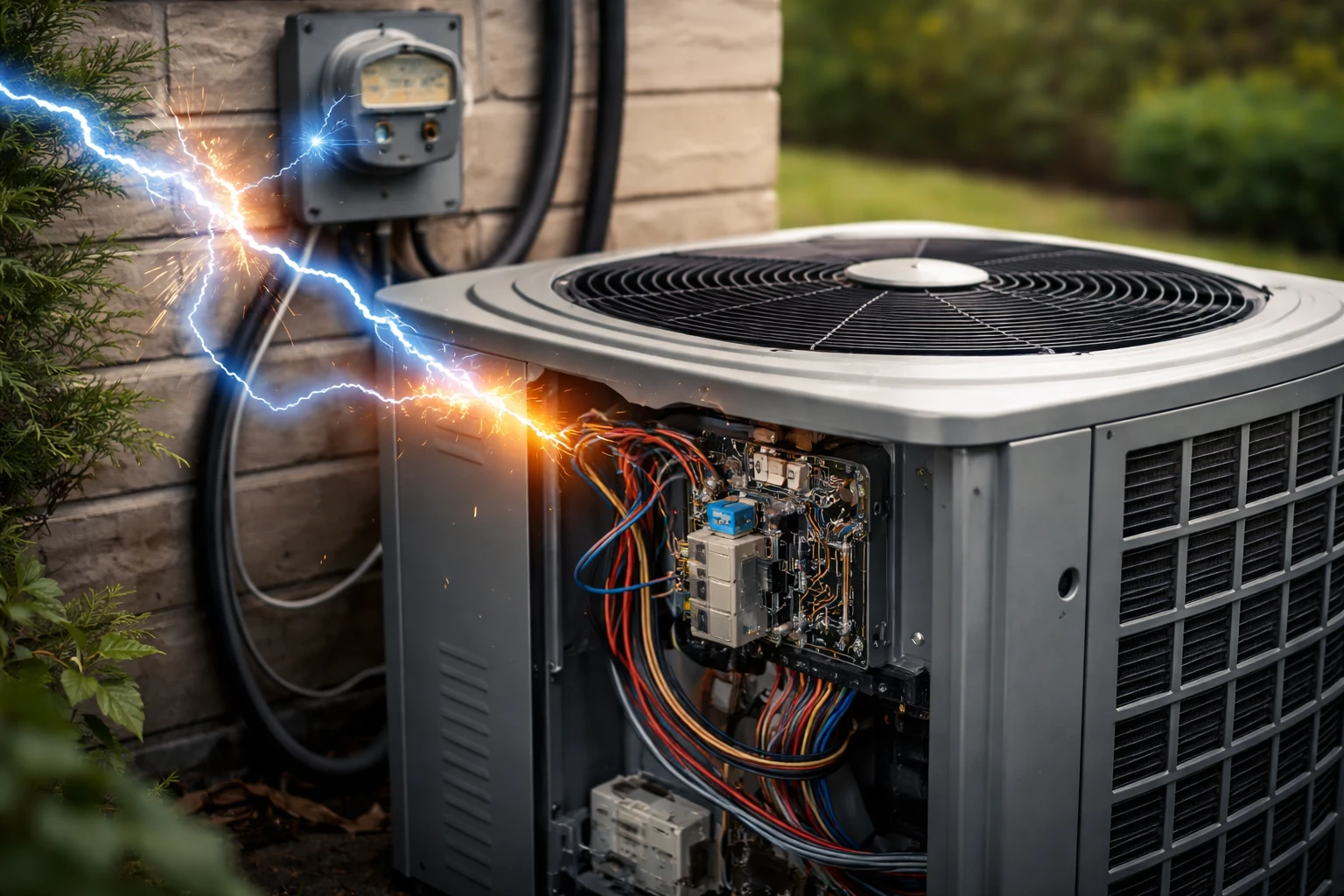
Air conditioning systems depend on a stable electrical supply to function efficiently and maintain consistent indoor comfort. However, voltage fluctuations are a common issue in many areas, especially where grid stability varies or heavy electrical loads are present. These fluctuations can disrupt the internal components of an AC unit, leading to performance issues, reduced lifespan, and increased maintenance costs. Understanding how voltage instability affects cooling systems is important for homeowners and businesses aiming to protect their investment. By examining how these changes impact different parts of an AC system, it becomes easier to recognize early warning signs and take preventive measures before more serious damage occurs.
Effect of changes on different AC parts
1. Voltage Impact Overview
Voltage fluctuations occur when the electrical supply rises above or falls below the standard level required by an air conditioning unit. These variations can be caused by overloaded circuits, faulty wiring, weather-related disruptions, or inconsistent power distribution from the grid. When an AC unit receives lower voltage than required, it struggles to operate efficiently, often drawing more current to compensate. On the other hand, higher voltage can overload internal components, leading to overheating or electrical stress. Over time, repeated exposure to voltage instability can cause gradual wear on essential components, making the system less reliable. The impact is not always immediate, but the cumulative effect often results in decreased performance and unexpected breakdowns.
2. Compressor Strain and Electrical Stress
The compressor is one of the most sensitive and vital components in an air conditioning system, and it is particularly vulnerable to voltage fluctuations. When the voltage drops below the required level, the compressor motor may fail to start properly, causing it to draw excessive current. This increased current generates additional heat, which can damage the motor windings over time. High voltage, on the other hand, can push the compressor beyond its safe operating limits, leading to insulation breakdown or internal failure. In some cases, property owners dealing with recurring electrical instability turn to Haltom City AC repair services to assess and manage compressor-related issues caused by inconsistent power supply. Continuous exposure to unstable voltage not only reduces compressor efficiency but also increases the likelihood of complete system failure.
3. Effects on Electrical Components
Beyond the compressor, several other electrical components within an AC unit are affected by voltage fluctuations. Capacitors, relays, and circuit boards are designed to operate within a specific voltage range, and any deviation can compromise their functionality. Low voltage can cause capacitors to underperform, preventing motors from starting properly, while high voltage may cause capacitors to swell or rupture. Circuit boards, which control system operations, are particularly sensitive and can malfunction or suffer permanent damage when exposed to irregular voltage levels. These issues often manifest as erratic system behavior, such as frequent cycling, delayed start-ups, or unresponsive controls. Over time, repeated exposure to these conditions weakens the reliability of the entire system.
4. Cooling Efficiency and Performance Decline
Voltage instability directly affects the cooling performance of an air conditioning system. When voltage levels are inconsistent, the system cannot maintain steady operation, resulting in uneven cooling or longer running times. Low voltage forces the unit to work harder to achieve the desired temperature, increasing energy consumption and placing additional strain on components. High voltage can cause the system to cycle on and off more frequently, disrupting the cooling process and reducing overall efficiency. As a result, indoor comfort levels become inconsistent, and utility costs may rise without any noticeable improvement in performance. Over time, this inefficiency not only affects comfort but also accelerates wear on the system.
5. Long-Term Damage and System Lifespan
Repeated exposure to voltage fluctuations can significantly shorten the lifespan of an air conditioning unit. Components that are regularly subjected to electrical stress tend to degrade faster, leading to more frequent repairs and eventual replacement. The compressor, electrical wiring, and control systems are particularly at risk, as they bear the brunt of voltage-related issues. Even minor fluctuations, when experienced consistently over months or years, can have a cumulative effect that weakens the system. This gradual deterioration often goes unnoticed until a major component fails, resulting in costly repairs or complete system replacement. Maintaining stable voltage conditions is therefore essential for preserving the longevity of an AC unit.
6. Preventive Measures and System Protection
Addressing voltage fluctuations requires a combination of awareness and preventive action. Installing voltage stabilizers or surge protectors can help regulate the electrical supply and protect sensitive components from sudden changes. Regular maintenance checks can also identify early signs of voltage-related stress, such as unusual noises, overheating, or inconsistent performance. Ensuring that the electrical wiring and circuit capacity are adequate for the system’s requirements is another important step in preventing damage. In areas where voltage instability is common, these measures can make a significant difference in maintaining system reliability. Taking proactive steps not only protects the AC unit but also helps maintain consistent cooling performance over time.
Voltage fluctuations can have wide-ranging impacts on air conditioning systems, affecting everything from compressor performance to overall efficiency and lifespan. These electrical variations place stress on internal components, leading to reduced performance, increased energy consumption, and a higher likelihood of system failure. By understanding how unstable voltage affects different parts of an AC unit, it becomes easier to recognize warning signs and take preventive measures. Protecting the system through proper electrical safeguards and regular maintenance can help minimize long-term damage. A consistent voltage supply remains critical to ensuring reliable operation and maintaining indoor comfort throughout the life of the air conditioning system.
FAQs
Voltage fluctuations refer to variations in electrical supply that go above or below the required level for proper AC operation.
They can cause the compressor to overheat, draw excess current, or fail to start properly, leading to long-term damage.
Yes, low voltage forces the system to work harder, increasing heat buildup and wear on internal components.
High voltage can overload components, causing overheating, insulation damage, or even complete system failure.
The compressor, capacitors, relays, and circuit boards are the most vulnerable to voltage instability.
Yes, it can lead to uneven cooling, longer run times, and reduced overall efficiency.
Absolutely, as the system works harder and runs longer to compensate for unstable power.
Signs include frequent cycling, delayed startup, unusual noises, and inconsistent cooling.
Installing voltage stabilizers, surge protectors, and ensuring proper wiring can help safeguard the system.
Yes, repeated electrical stress gradually damages components, leading to earlier breakdowns and replacement.