This post contains affiliate links. As an Amazon Associate, I earn from qualifying purchases, at no extra cost to you. See our disclosure policy.
Nobody wakes up one morning and decides to stop enjoying their life. It happens gradually. The schedule gets full, the to-do list never quite empties, and somewhere along the way, the things that actually feel good get quietly pushed to the bottom of the pile.
Sound familiar?
Most of us are not burned out because we work too hard. We are burned out because we stopped replenishing. We kept giving out without building anything back in. And after a while, even the small pleasures (a quiet evening, a good laugh with friends, a moment where you are not thinking about anything at all) start to feel like distant memories.
The good news is that turning this around does not require a total life overhaul. It starts with small, deliberate choices. Choosing rest before you hit the wall. Choosing to celebrate the moments that actually deserve it. And choosing to pay attention to the things that make ordinary days feel like something worth showing up for.
That is what this is about.
Rest Is Not Something You Earn
Here is a belief worth unlearning: the idea that rest is a reward for finished work.
Work is never finished. The inbox refills. The list regenerates. If you wait until everything is done to rest, you will be waiting forever, and your body will eventually make the decision for you in the form of illness, injury, or total exhaustion.
Rest is not a luxury. It is maintenance. The same way a car needs fuel and oil changes to keep running well, your body and mind need consistent recovery to function at their best. This is not a motivational poster sentiment. It is basic biology.
The tricky part is that modern life has made actual rest surprisingly hard to access. You can lie on the couch and still be mentally racing through the day. You can take a weekend off and spend most of it anxious about Monday. True rest, the kind that actually restores you, usually requires some kind of physical signal to the nervous system that it is safe to switch off.

That is why physical relaxation rituals work so well. When the body releases tension, the mind tends to follow. It is the reason a hot bath after a hard day feels like hitting a reset button. It is the reason massage has been used across cultures for centuries. There is something about deliberate, physical unwinding that cuts through the mental noise in a way that scrolling through your phone simply cannot.
For people who want that kind of relief consistently and without the hassle of booking appointments, a quality massage chair is genuinely worth considering. The combination of heat, compression, and targeted pressure tells your nervous system, in no uncertain terms, that the workday is over. Used regularly, it becomes an anchor point in your routine, a reliable cue that recovery is happening and you are allowed to stop bracing for the next thing.
It is not about treating yourself occasionally. It is about building recovery into your life the same way you build in everything else that matters.
Your Space Shapes How You Feel, More Than You Think
Take a slow look around whatever room you are in right now. How does it make you feel?
Not in a deep philosophical way. Just practically. Does it feel calm? Cluttered? Like somewhere you want to be? Or like a holding area between other places?
Most people underestimate how much their environment affects their mood and energy levels. A chaotic, uncomfortable space creates low-level background stress that is easy to ignore until you step somewhere that actually feels good and notice the difference.
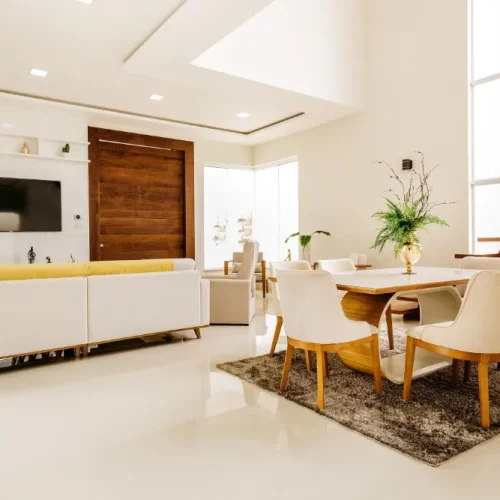
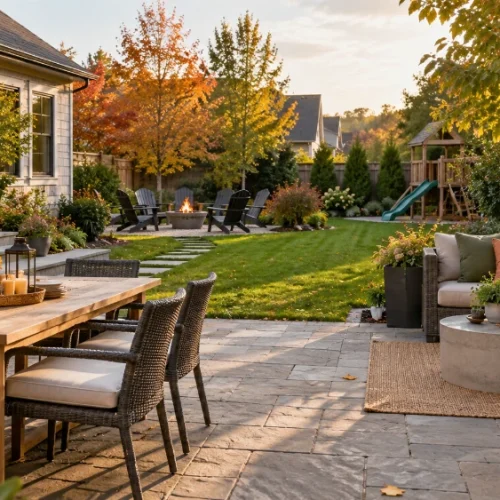
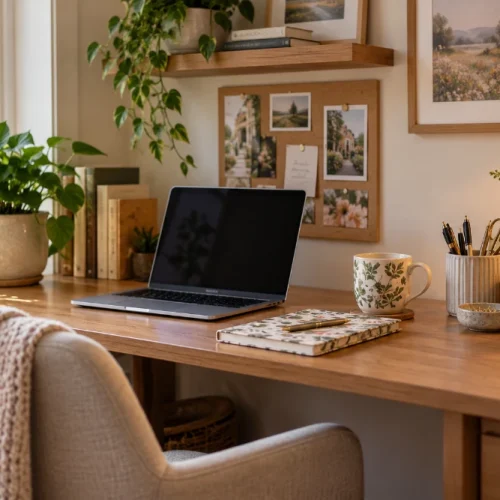
You do not need to spend a lot to fix this. It is less about aesthetics and more about intentionality. A reading corner that is actually set up for reading. Lighting that feels warm in the evenings rather than clinical. A few things on display that genuinely mean something to you.
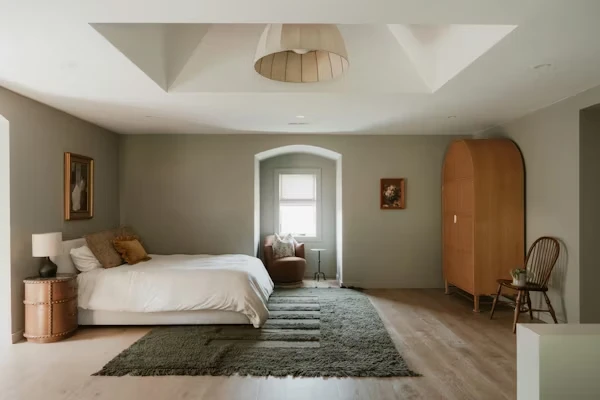
The details add up. A space that feels good to be in is one you will actually want to come home to. And when home feels like a sanctuary rather than a second office, rest becomes a lot more accessible.
There is also something worth saying about physical comfort specifically. Ergonomics and body support tend to get ignored until something hurts. But being proactive about how your body is supported during both work and rest pays off in ways that are hard to overstate. The right chair, the right mattress, the right recovery tools are not extras. They are infrastructure.
When your home genuinely supports you, something else happens too. You become more likely to open it up to other people. And connection is one of the most underrated contributors to a good life. Which leads to the next piece of this puzzle.
Celebration Is Not Frivolous. It Is Necessary.
Think about the last time you really celebrated something.
Not a polite acknowledgement. Not a quick post and moving on. An actual celebration, where you marked a moment with the kind of attention it deserved.
For a lot of people, it has been longer than they would like to admit.
We have a habit of downplaying our own milestones. The inner voice that says it was not that big a deal, or that celebrating feels indulgent, or that there is still too much to do to stop and acknowledge something. That voice is lying to you.
Ritual and celebration are deeply human needs. They mark time. They create shared memories. And they tell the people around you that they matter and that what you have been through together means something. Skipping celebrations does not make you more efficient. It makes life feel flatter.

The best celebrations are rarely the most expensive ones. They are the ones that feel personal. Thoughtful. Like someone actually considered the people in the room and what would make them feel seen.
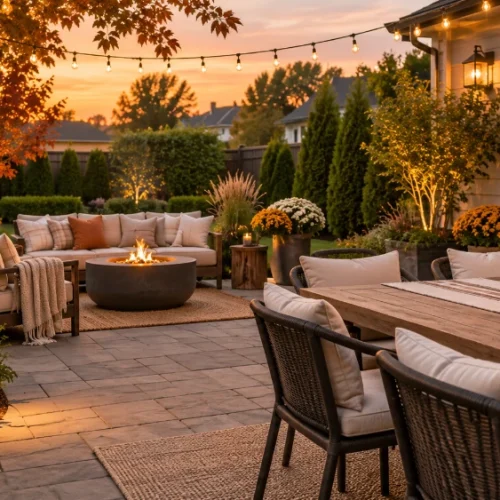
The atmosphere plays a huge role in this. What guests see and feel the moment they walk in sets the emotional tone before a single conversation starts. Good food matters. Good company matters. And the visual, sensory details of a space (the lighting, the colour, the small touches that say someone cared) matter more than most people give them credit for.
That is why personalised decor consistently makes such an impression. Options like custom balloons with names, meaningful phrases, or event-specific designs turn a gathering from generic to genuinely memorable. It is a small investment that communicates something significant: this occasion was worth thinking about. You were worth thinking about.
And honestly, that is the heart of any good celebration. Not the budget. Not the venue. The feeling that someone gave real thought to making it special for the people who matter.
Putting It All Together
Rest and celebration might seem like opposite things. One is quiet and inward. The other is social and festive. But they are actually rooted in the same idea: that your experience of life deserves care and attention.
Most people wait for a crisis to start taking their wellbeing seriously. A health scare triggers the rest. A loss triggers appreciation. That is understandable, but it is a hard way to live.

The alternative is not complicated. It just asks that you pay attention.
Notice when you are running on empty, and choose to rest before the crash. Notice when something is worth marking, and choose to celebrate rather than just move on. And notice how your environment is making you feel, and make the small changes that shift it in a better direction.
These are not grand gestures. They are quiet, consistent choices that add up to a life that feels genuinely liveable. Rich, not because everything is perfect, but because you are present for it.
If this kind of thinking resonates with you, there is a whole space dedicated to it. The conversations around living with intention and finding your light go deeper into what it looks like to build a life that actually reflects who you are and who you are trying to become.
Start there. Start somewhere. Just start.
FAQs
Burnout often comes from a lack of recovery, not just workload. When you keep giving energy without replenishing it, exhaustion builds over time.
No, rest is not a reward—it’s a necessity. Waiting until everything is done usually means you’ll never truly rest.
True rest involves both physical and mental relaxation, where your body and nervous system feel safe enough to fully unwind.
When your body releases tension through methods like heat or massage, it signals your brain to calm down, reducing stress more effectively than passive distractions.
Yes, your surroundings influence your energy and stress levels. A calm, intentional space can make it easier to relax and recharge.
Not at all. Simple adjustments like better lighting, decluttering, and meaningful decor can significantly improve how your space feels.
Proper support from furniture and rest tools prevents strain and helps your body recover, making both work and relaxation more effective.
Many downplay achievements or feel too busy to pause, but this mindset can make life feel monotonous and less fulfilling.
Thoughtfulness and personal touches matter most. Creating an experience that makes people feel seen and valued is what truly stands out.
Begin with small, intentional choices—rest before burnout, celebrate meaningful moments, and adjust your environment to support how you want to feel.