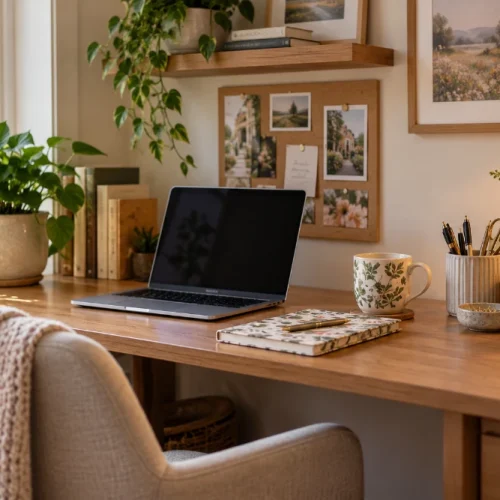
Many of the best creative businesses begin at the kitchen table or in a cramped spare room. Over time, that passionate side hustle turns into a full-time, demanding operation. At first, you might reorganise the room a dozen times, buying new shelving units and decluttering every weekend to make things fit. However, even after using every trick to design a functional and stylish modern office space, a successful and growing creative business will eventually need more room than a residential bedroom or garage can provide.
Recognising It Is Time to Move
When you run a design studio, craft workshop, or online boutique from home, the boundaries between work and life blur very quickly. It is thrilling to see your orders increase, but the physical limitations of a residential house soon become clear.
You might notice that inventory is slowly taking over your living areas. Your dining table might be constantly covered in shipping supplies, and your garage may be so packed with stock that parking a car inside is an impossible dream. Perhaps you are ready to hire your first employee, but the idea of them working next to your laundry basket is less than ideal. If you are nodding along to these scenarios, it is likely time to take the next major leap in your entrepreneurial journey. Moving your venture out of the house is a massive milestone that signals your business has truly arrived.
Taking the Next Step in Commercial Real Estate
Transitioning to a dedicated professional workspace is exciting, but the commercial real estate market operates very differently from the residential housing market you might be familiar with. Commercial leases are complex, and purchasing a space requires a deep understanding of zoning laws, fit-out permissions, and market yields.
As a creative founder, your expertise lies in your craft, not in negotiating multi-year commercial property contracts. This is where seeking professional help becomes invaluable. Engaging a commercial property buyers agent can save you from making costly mistakes. These specialists understand the unique requirements of growing business owners. They can identify off-market warehouses or retail spots, negotiate favourable lease terms or purchase prices, and ensure the building is correctly zoned for your specific type of manufacturing or retail activities. Having an expert in your corner allows you to focus on your daily operations rather than stressing over property logistics.
Leasing Versus Buying Your New Space
One of the most significant decisions you will face is whether to rent or purchase your new headquarters. Both options offer distinct advantages depending on your cash flow and long-term business goals. Before taking the leap, the Australian Government provides helpful resources to define your essential property needs and choose your business location, ensuring it offers the best long-term flexibility and tax benefits for your business.
When weighing your options, consider these key factors:
- Upfront Costs: Leasing typically requires a lower initial capital outlay, often just a security deposit and the first month of rent. Buying requires a substantial deposit, which ties up capital that could otherwise be used to grow your business.
- Flexibility: If your brand is scaling rapidly, leasing allows you to relocate much easier when you outgrow the premises in a few years.
- Building Equity: Purchasing the property means your monthly payments build long-term equity rather than paying off a landlord’s mortgage.
- Control and Stability: Owning your space gives you complete control over renovations, interior design, and structural fit-outs. You also never have to worry about a landlord refusing to renew your lease.
- Tax Implications: Both choices have tax benefits, but property owners may be able to claim deductions on mortgage interest, depreciation, and ongoing repairs.
Designing Your New Creative Hub
Once the keys to your new warehouse, studio, or retail shop are finally in your hands, the real fun begins. Moving into a commercial setting does not mean you have to settle for sterile white walls and fluorescent lighting. You can bring your DIY skills and home design sensibilities into this new arena to create a workspace that perfectly reflects your brand identity.
Start by planning distinct zones for different tasks to keep things organised. Set up a dedicated area for messy production work, a clean zone for packaging and shipping, and a comfortable office nook for administrative duties and client meetings. Good lighting is crucial, especially for design work, so maximise any natural light and invest in high-quality task fixtures.
Conclusion
Finally, add personal touches that make the space inspiring. Paint a feature wall in your brand colours, bring in plenty of indoor plants to soften the industrial feel, and source vintage or upcycled furniture for your break area. Just because it is a commercial space does not mean it cannot feel as warm and inviting as your home office did.
Scaling up and moving out of your home is a major transition. With the right planning, expert guidance, and a touch of creativity, your new professional space will become the perfect launchpad for your next phase of business growth.
FAQs
If your inventory is taking over your home or you’re struggling to separate work and personal life, it’s likely time to upgrade.
You gain more space, better organization, and a professional environment that supports growth and hiring.
Leasing offers flexibility and lower upfront costs, while buying builds equity and gives long-term control.
Focus on accessibility, zoning regulations, cost, and how well the space fits your business operations.
Not required, but they can help you find better deals, avoid mistakes, and negotiate favorable terms.
Costs vary, but expect deposits, rent or mortgage, fit-out expenses, and utilities.
Yes, most commercial spaces allow design customization, especially if you own the property or negotiate terms in your lease.
Zoning laws determine what type of business activities are allowed in a property, so they must match your operations.
Create dedicated zones for production, storage, admin work, and client interactions to improve workflow.
Yes, it often increases productivity, professionalism, and scalability, making it easier to expand operations.