Buyers’ tastes have changed far more in the past few years than they did in the entire decade before them. Working from home, interest rates going up, changing family structures, and a longer-than-usual period of limited housing supply have all contributed to changing the priorities that people have when they are looking for a house. The methods that attracted buyers five years ago will most likely not attract them now.
For sellers, being aware of this change is not only something that they might find fascinating but it is actually something that will determine how soon their property will be sold and for what price. Buyers, who get the impression that a house does not meet their requirements, will definitely move on very fast, even in a market that has very few options. Those, who get the feeling that a house is made according to the way they really live will not only move quickly but also pay a good price. Current preferences that influence buying decisions are neither complicated nor surprising if you look at them clearly. They are the results of changes in people’s actual lives and what they have decided they must not give up anymore.
Space That Works for How People Actually Live Now
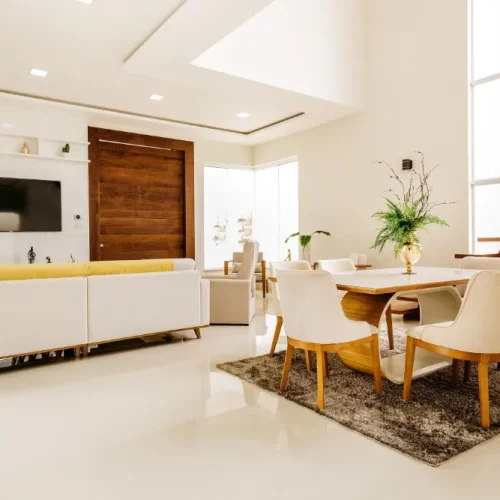
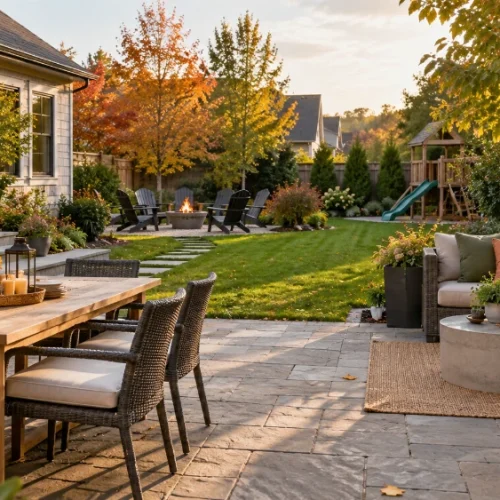
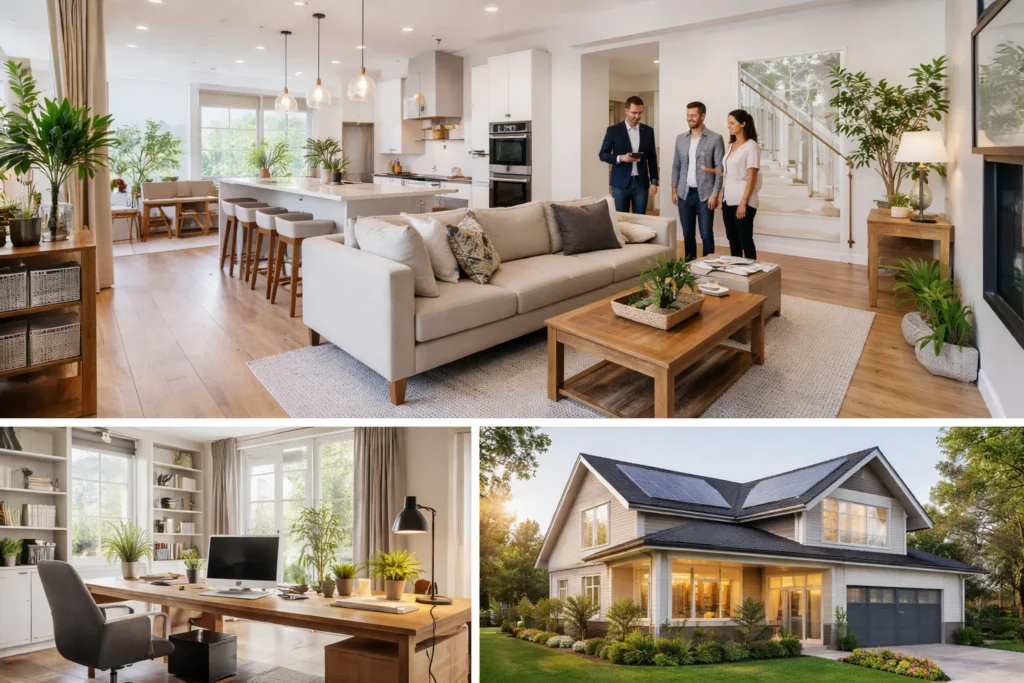
For years, the open floor plan was the crimson standard, and indeed, it is still one of the most common things buyers look for. However, what buyers want from that very space has become much more specific. They are not only seeking a big living room. They would also like to have a house that can accommodate a number of people all doing different things at the same time without them getting in each other’s way.
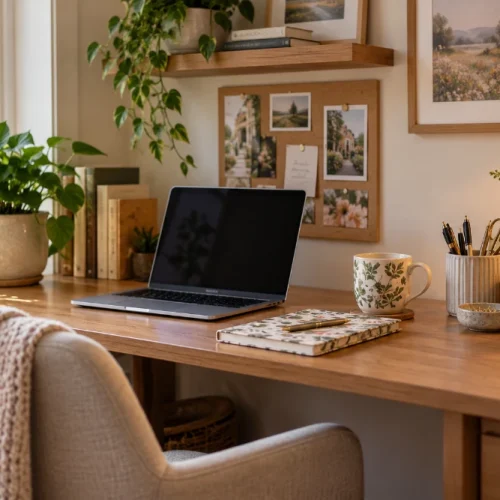
In fact, a dedicated home office or at least a room that can comfortably serve as one is almost at the top of every buyer’s wish list nowadays. If you look at the state of the workforce, you will see that remote and hybrid work have become a permanent fixture for a significant portion of the workforce. Therefore, real estate buyers are factoring this reality into their long-term housing decisions. A spare bedroom that can lug an office has genuine value. On the other hand, a house where there’s nowhere to take a call quietly and without disturbance is a big disadvantage.
Move-In Ready Beats Potential Almost Every Time
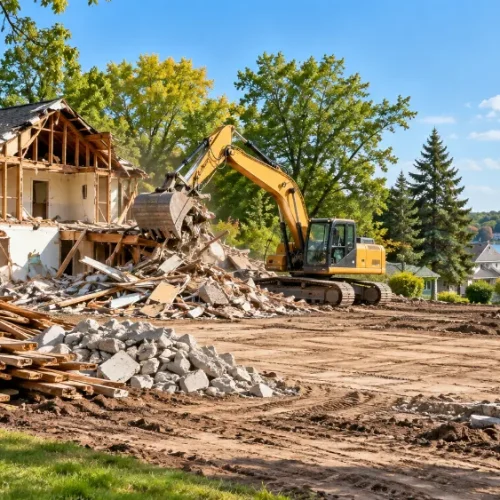
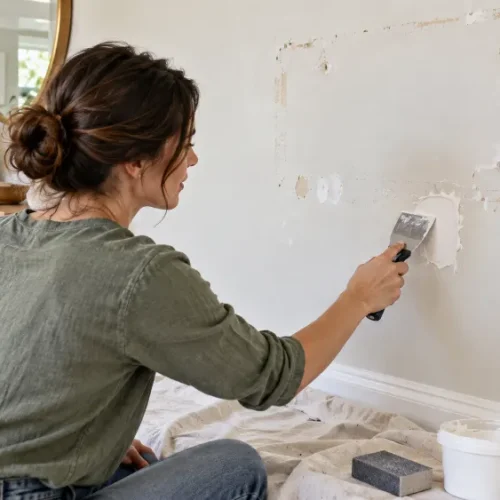
This one catches some sellers off guard, but figures regularly support it. Most of the buyers nowadays are not interested in a project. Instead, they want to close and move in without having to deal immediately with a list of repair, update, and decision issues. The desire for fixer-uppers among the traditional buyers has dropped dramatically, partially because people are busy and partially because the costs and hassles of completing renovation works are becoming prohibitive.
Buyers see that the costs of renovations have soared and that it is very difficult to get contractors. They have also heard quite a lot of stories from friends who bought a home that needed “a little work” and ended up spending two years and twice the original budget to make it livable. This has greatly enhanced the reputation of move-in ready homes and devalued the homes that require a great deal of work such that they are difficult to sell at the price that the sellers are hoping for.
Energy Efficiency and Lower Operating Costs
Monthly expenses are even more important to buyers now and that’s pretty understandable. When mortgage rates are high, buyers are already going to the limit with their monthly payment. The last thing they would want is a house with a $400 monthly utility bill along with everything else. Energy efficiency has moved from being a nice-to-have to a real reason for making decisions.
People buying homes are inquiring about the type of insulation, quality of windows, HVAC system’s age, if the house has a smart thermostat or solar panels. They are including utility bills into their total affordability calculations in a manner that wasn’t as usual when mortgage rates were low and energy prices were relatively stable. A home that clearly costs less in terms of energy consumption is a home that costs less in terms of ownership and this is a message that buyers who are already doing thorough calculations can relate to.
Sellers who have made energy efficiency upgrades newer HVAC systems, added insulation, updated windows, smart home features should be communicating those improvements explicitly in listing materials. The same logic applies when working with direct buyers; a company like Assured Property Solutions will factor in a home’s condition and running costs when making an offer, which means documented upgrades can directly influence what you walk away with. Buyers won’t always ask about efficiency, but they’ll notice when the information is there and they’ll notice when it isn’t.
Location Preferences Have Gotten More Nuanced
The pandemic-induced migration from cities to suburbs and rural areas has now turned to something more complex. Of course, buyers want space and in many cases, they still want to avoid city centers. However, being close to good schools, having amenities within walking distance, access to nature, and reasonable commuting times (even for hybrid workers) are factors which are of great importance still.
However, what has changed is that the buyers are open to exchanging one set of location benefits for another based on their life stage. For example, young families are absolutely committed to the quality of school districts. On the other hand, older buyers want to find neighborhoods that are very walkable and close to healthcare facilities. Remote workers are focusing on a completely different set of factors than those who commute. It would be incorrect to say that a single location preference is dominating the market. There are many different preferences, one on top of the other. Practically, this leads to the fact that a home in any given location has a quite specific ideal buyer than it was the case ten years ago. Sellers and agents who identify that buyer and market to him/her rather than trying to cater to everyone usually get better results more quickly.
Transparency and Certainty Over Everything Else
One universal trait that seems to thread through all buyer profiles, regardless of their age, income, or location preference, is a strong craving for a transaction that genuinely closes. Buyers have experienced the heartbreak of deals falling through due to financing issues, inspection problems, and appraisal gaps. They endured months of competition only to be unsuccessful. Nowadays, many buyers are so emotionally drained and wary when they finally decide to place an offer that they heavily value certainty.
FAQs
Buyers prioritize functionality, move-in readiness, and features that match their daily lifestyle needs.
Remote and hybrid work have made dedicated workspaces a key requirement for many buyers.
Yes, but they now want flexible spaces that allow multiple activities without interference.
Not as much most buyers prefer move-in ready homes to avoid renovation costs and delays.
Very important, as it helps reduce monthly expenses and long-term ownership costs.
Buyers factor utility bills into affordability, especially with rising living costs.
Buyers now weigh multiple factors like schools, walkability, commute, and access to amenities.
Yes, features like smart thermostats and energy-efficient systems add appeal and convenience.
After experiencing failed deals, buyers value smooth and reliable closings more than ever.
Homes that align with modern lifestyles, offer efficiency, and require minimal work attract the most attention.