A lot of homes don’t sell as quickly as owners expect, even in strong markets. The reason is not always price. In many cases, buyers walk away because they spot issues that should have been handled before listing. Today’s buyers pay close attention to condition, not just appearance. They notice signs of poor upkeep, and they often assume bigger problems are hiding underneath. That hesitation can lead to lower offers or no offers at all. The good news is that most of these issues are preventable. With the right preparation, you can present your home in a way that builds trust and keeps buyers interested from the start.
Why a Pre-Listing Inspection Changes Everything
Waiting for the buyer’s inspection puts you at a disadvantage. By that point, any issues found can become negotiation points or even deal breakers. A pre-listing inspection allows you to identify problems early and decide how to handle them on your terms. You can choose to fix issues, adjust your price, or be upfront in your listing. This approach shows transparency and builds confidence with buyers. It also reduces the risk of last-minute surprises that delay or cancel a sale. When buyers see that you have already taken steps to understand your home’s condition, they feel more comfortable moving forward.
The Roof Detail Buyers Rarely Ignore
Buyers may not always understand structural systems, but they almost always notice the roof. Visible wear, stains, or missing shingles can raise immediate concerns. Even if the issue is minor, it can create doubt about how well the home has been maintained. Addressing roof concerns before listing helps avoid these reactions. A proper inspection gives you clarity on what needs attention and what does not. Working with professionals like the ones at the Done Rite Roofing company can help you handle repairs promptly. This step can prevent delays and protect your asking price during negotiations.
Small Repairs That Leave a Big Impression
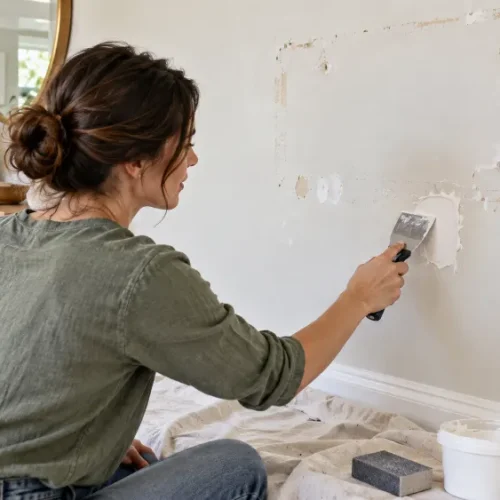
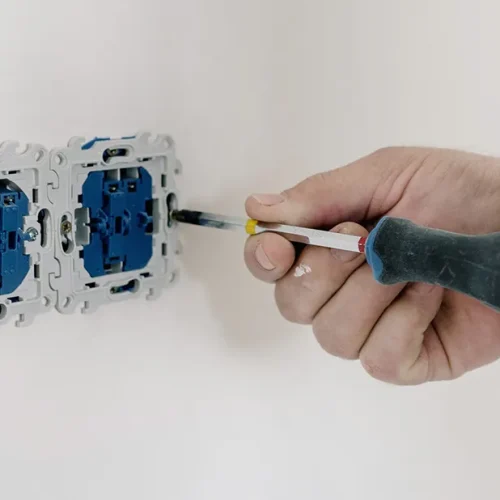
Loose cabinet handles, chipped paint, and squeaky doors may seem minor, but buyers notice them quickly. These small issues suggest that regular maintenance has been ignored. When buyers see several of these problems at once, they may assume larger repairs have also been neglected. Fixing them before listing does not take much time or money, but it can change how your home is perceived. Focus on anything that looks broken, worn, or unfinished. Walk through each room and make a simple repair plan. Taking care of these details shows buyers that the home has been looked after, which builds trust and supports your asking price.
Cleaning That Goes Beyond the Obvious
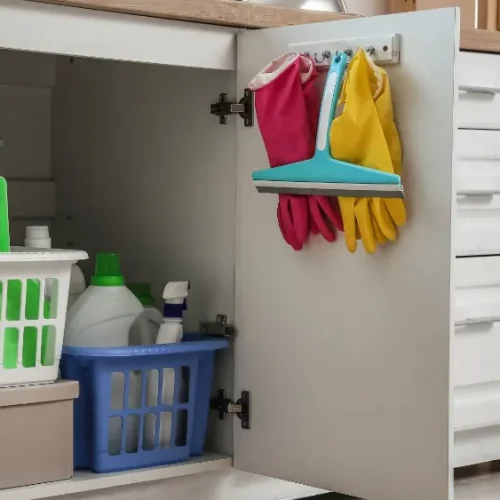
A quick surface clean is not enough when preparing to sell. Buyers notice details that homeowners often miss, especially in kitchens and bathrooms. Dirt in grout lines, dust on vents, and streaks on windows can make a home feel less cared for. Deep cleaning every area helps create a fresh and well-maintained impression. Pay attention to spaces that are easy to ignore, like baseboards, behind appliances, and inside cabinets. Odors also matter more than most people expect. Lingering smells from pets or cooking can turn buyers away. A clean home does not just look better; it makes buyers feel more comfortable spending time inside.
Lighting Fixes That Instantly Change Mood
Lighting has a direct impact on how buyers experience a home. Dim or uneven lighting can make rooms feel smaller and less inviting. Walk through your home at different times of day and notice which areas feel dark. Replace low-watt bulbs with brighter, neutral ones that provide clear light without feeling harsh. Make sure all fixtures work properly and match in tone where possible. Natural light also plays a key role. Open curtains and clean windows to let in as much daylight as possible. In areas with limited sunlight, consider adding simple floor or table lamps. Well-lit spaces help buyers see details clearly and feel more comfortable.
Curb Appeal That Builds Immediate Trust
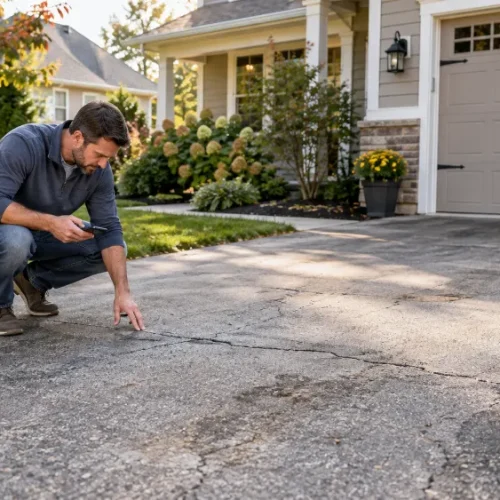
The outside of your home sets expectations before buyers step inside. If the exterior looks neglected, buyers may assume the same about the interior. Start with basic upkeep. Mow the lawn, trim plants, and remove any debris from the yard. Pay attention to the driveway and walkways. Clean stains and repair visible cracks if needed. The front door also matters. A clean, well-maintained entry creates a welcoming feel. Small updates like new house numbers or a fresh coat of paint can make a difference. These changes do not require a large budget, but they show buyers that the property has been cared for over time.
Gather Documents Before Buyers Ask
Many sellers wait until a buyer requests documents, but that can slow down the process. Preparing these records early shows that you are organized and transparent. Gather paperwork related to repairs, upgrades, warranties, and permits. Buyers often want to know when major work was done and whether it was completed properly. Having this information ready can answer questions before they become concerns. It also helps your agent respond quickly during negotiations. If you have records for systems like HVAC, plumbing, or roofing, include them. Clear documentation reduces uncertainty and helps buyers feel more confident about moving forward with the purchase.
Pricing That Reflects Real Condition
Setting the right price requires more than comparing square footage and location. Buyers also consider the condition of the home. If your property needs updates or repairs, pricing it too high can lead to fewer showings and longer time on the market. Look at similar homes that have sold recently and pay attention to their condition, not just their features. If your home is in better shape, you can justify a stronger price. If not, adjust accordingly. Being realistic from the start often leads to more interest and better offers. A well-prepared home paired with the right price creates a stronger position during negotiations.
Preparing a home for sale involves more than cleaning and listing it online. Buyers look closely at condition, maintenance, and how well the home has been cared for over time. The steps many homeowners overlook often have the biggest impact on how a property is received. Taking time to handle inspections, repairs, cleaning, and presentation gives you more control over the selling process. It also reduces the chances of delays or difficult negotiations later. When you address these details early, you create a smoother experience for both you and the buyer. A well-prepared home stands out, builds trust, and moves toward a successful sale faster.