Have you ever opened your electric bill in Fullerton, California and wondered why it feels higher every season, even when you think you’re being careful? You are not alone. Across the U.S., rising energy costs and climate concerns are pushing homeowners to rethink how their homes use power. The good news is that you do not need a full renovation to make a real difference. Small, smart changes can cut costs, improve comfort, and reduce waste in ways that add up quickly.
Why Small Changes Matter More Than You Think
Energy efficiency used to sound like a luxury project, something tied to solar panels or full home upgrades. Today, it is becoming a practical response to rising utility rates and shifting weather patterns. Heat waves are longer, winters are less predictable, and energy demand is climbing nationwide.
What makes this moment different is how accessible efficiency has become. You do not need to tear down walls or invest tens of thousands of dollars. Simple adjustments like sealing leaks, managing thermostat settings, and upgrading a few devices can reduce energy use by 10 to 30 percent. That is not just good for your wallet, it also reduces strain on the grid during peak demand.
Seal the Gaps You Cannot See
Air leaks are one of the biggest hidden energy drains in American homes. Even newer homes can lose heated or cooled air through small gaps around windows, doors, and vents. It is like paying to heat the outdoors without realizing it.
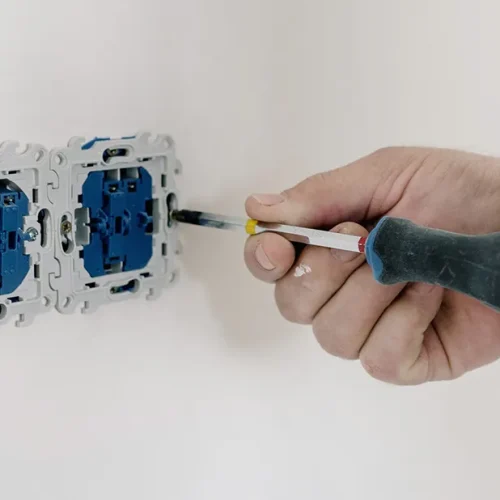
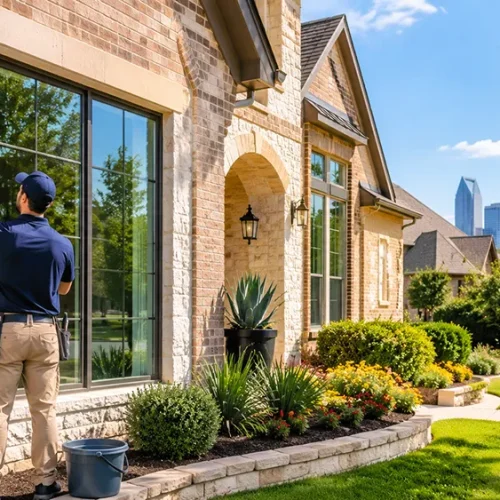
Many homeowners who consult a Fullerton window installer often discover how much air slips through aging frames or poor seals. You do not need to replace every window to fix this. Weatherstripping, caulking, and draft stoppers are inexpensive and easy to install. Focus on areas like attic hatches, baseboards, and around outlets on exterior walls. These small fixes can cut heating and cooling costs noticeably within a single season.
Rethink Your Thermostat Habits
Most people set their thermostat once and forget it, which is a missed opportunity. Heating and cooling account for nearly half of home energy use in the U.S., so even minor adjustments can have a big impact.
Try setting your thermostat a few degrees lower in winter and higher in summer. A programmable or smart thermostat makes this easier by adjusting temperatures when you are asleep or away. Recent trends show more households adopting smart home tech, not for novelty but for savings. Over time, these changes can shave hundreds of dollars off annual energy bills while keeping your home comfortable.
Upgrade Lighting Without Overthinking It
Lighting is one of the easiest areas to improve, yet many homes still use outdated bulbs. Switching to LED bulbs can reduce energy use by up to 75 percent compared to incandescent options, and they last much longer.
This is not just about swapping bulbs. Think about how you use light in your home. Use task lighting instead of lighting entire rooms, and turn off lights when they are not needed. Motion sensors and timers are also becoming more common, especially as people look for ways to automate energy savings without constant effort.
Use Appliances More Strategically
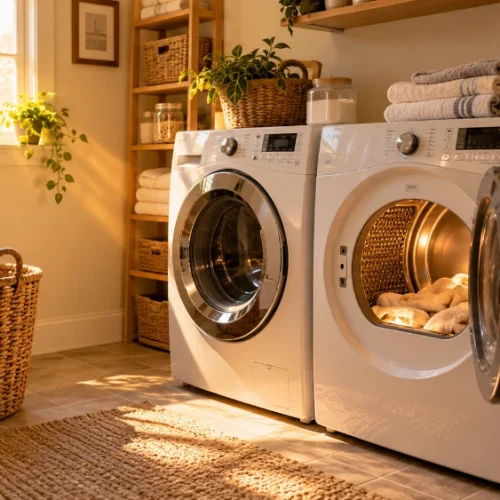
Modern appliances are more efficient than older models, but how you use them matters just as much. Running a half-full dishwasher or washing machine wastes both energy and water. Waiting until you have a full load makes a noticeable difference over time.
It also helps to pay attention to timing. Running major appliances during off-peak hours can reduce strain on the grid and, in some areas, lower your energy costs. With more utilities adopting time-based pricing, this habit is becoming increasingly relevant. Drying clothes on a rack occasionally instead of using a dryer can also cut energy use without much inconvenience.
Manage Heat from the Outside In
Sunlight can be both helpful and harmful depending on the season. In winter, it can warm your home naturally. In summer, it can turn your living room into a greenhouse.
Simple solutions like blackout curtains, reflective window films, or even strategically placed plants can help control indoor temperatures. Close curtains during the hottest part of the day in summer, and open them in winter to let in warmth. These small actions can reduce the need for constant air conditioning or heating, which is especially important as extreme weather events become more common across the country.
Insulate Smarter, Not Harder
When people hear insulation, they often think of major construction work. In reality, there are smaller, targeted ways to improve insulation without opening up your walls.
Start with the attic, where heat loss is most common. Adding or upgrading insulation there can be a relatively simple project with a strong return on investment. Door sweeps and insulated curtains also help keep indoor temperatures stable. Even placing rugs on bare floors can reduce heat loss and make rooms feel warmer without increasing your thermostat setting.
Track Your Energy Like a Budget
Energy use is often invisible, which makes it harder to control. Treating it like a monthly budget can change that. Many utility companies now offer detailed usage reports that show when and how you use energy.
By reviewing this data, you can spot patterns and adjust your habits. For example, you might notice higher usage during certain hours or from specific appliances. Smart plugs and energy monitors can give even more insight, allowing you to track individual devices. This level of awareness turns energy efficiency from a vague goal into something you can measure and improve consistently.
Making your home more energy efficient does not require a dramatic overhaul or a large financial commitment. It requires attention, a willingness to adjust habits, and a few strategic upgrades. As energy costs continue to rise and environmental concerns grow, these small changes are becoming less of an option and more of a necessity. The irony is that what once felt like a sacrifice often ends up improving comfort, saving money, and making your home work better for you every day.
FAQs
No, small changes like sealing leaks, adjusting thermostat settings, and upgrading lighting can make a noticeable impact without major work.
Simple improvements can reduce energy use by 10–30%, depending on your home and habits.
Sealing air leaks around windows, doors, and vents is one of the quickest and most cost-effective starting points.
Yes, they automatically adjust temperatures based on your schedule, helping reduce energy waste and lower bills over time.
Absolutely, LED bulbs use up to 75% less energy and last much longer than traditional incandescent bulbs.
Run full loads, use energy-saving settings, and operate appliances during off-peak hours when possible.
Yes, blackout curtains and reflective window treatments can block heat in summer and retain warmth in winter.
Yes, improving attic insulation is a targeted upgrade that can significantly reduce heat loss and energy costs.
Use utility reports, smart plugs, or energy monitors to identify patterns and adjust usage habits.
Yes, they often make your home more comfortable by stabilizing indoor temperatures and reducing drafts.