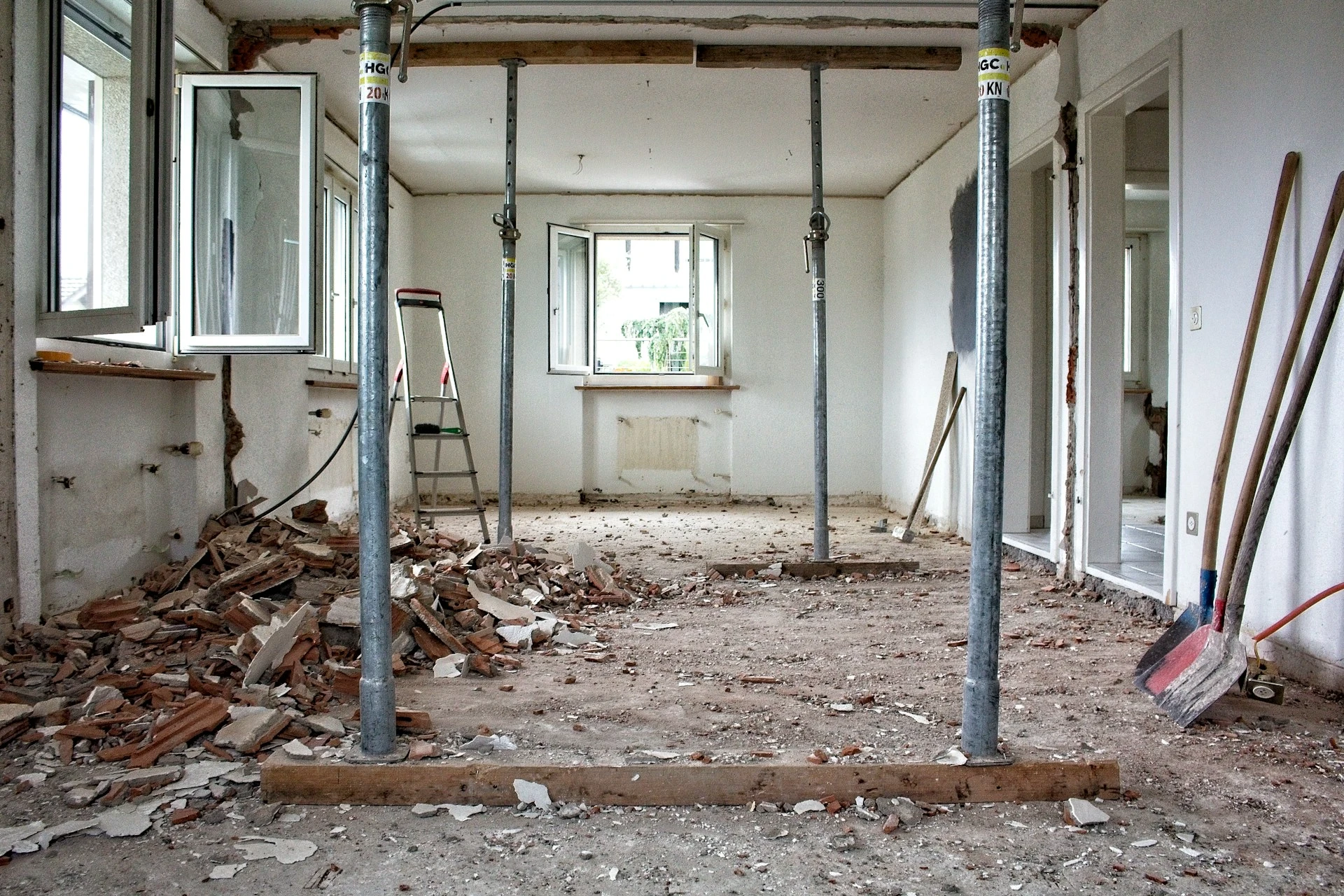
Your office space says a lot about your business. It tells clients whether you’re a business worth taking seriously, and it affects the atmosphere your employees work in every day. Unfortunately, many business owners, especially small business owners, get so used to their space that they stop seeing the obvious signs that it’s time for a change.
The result? An unexplained drop in productivity and client satisfaction.
And research backs it up. Studies show physical workspace design impacts employee productivity, well-being, and job satisfaction. That alone is enough reason to consider an office renovation if you haven’t updated your space in a long time.
But how do you know your office space actually needs work? Here are some tell-tale signs.
Essential Pre-Renovation Steps
First, let’s talk about what to do before even considering a renovation. Why? Because any project you start without a plan can break you. Here’s what to know.
- Define Goals and Budget. This is a very important first step. Why are you doing this? To fit more people? To attract better talent? To stop the AC from dying every July? Write it down. Then figure out what you can actually spend, and add about 20% on top for miscellaneous.
Reliable Magazine recommends budgeting 1% to 3% of revenue on office maintenance per year. If your repairs are exceeding that, then you definitely need an overhaul quickly. - Establish a Timeline. Don’t assume this will be done in a weekend. Factor in lead times for materials. And bear in mind that this can be a bit shaky due to supply chain shifts.
- Assemble Your Team. If you’re handy, DIY office renovations can save a fortune. But please, let the pros handle the heavy lifting. Hire experienced architects and contractors for the structural stuff. Even if you and your team are doing the painting, have an expert do an energy audit.
- Conduct Surveys & Permits. This is the boring part, but skipping it might come back to bite you. Check your local zoning laws. You don’t want a “stop work” order on your front door three days in.
- Plan for Operations. Your business can’t just stop because you’re renovating. You’ll need a place for your team to land. Some people opt for event space rental, where they host client meetings or team scrums while the dust is flying.
Event spaces can be booked hourly or daily, according to The Farm Soho. They also come with equipment and furniture, so you won’t be moving stuff to and from your office anytime you want to use the space.
Signs Your Office Space Needs Renovation
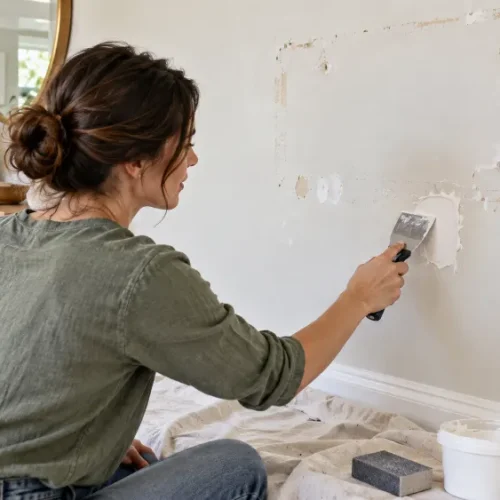
Some buildings practically scream “renovate me”. You can clearly see peeling paint and broken window panes. But in the absence of clear signs like that, here’s what to look for.
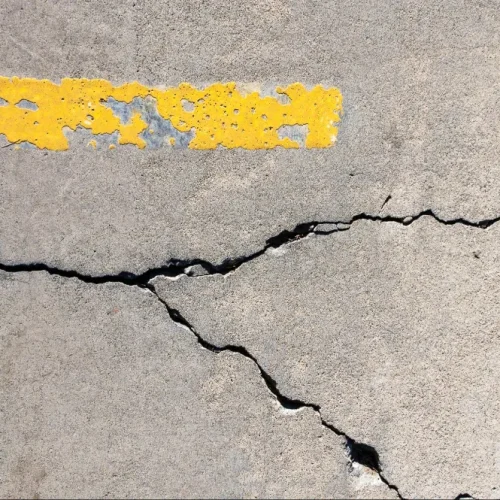
Frequent Maintenance Issues
If you’re on a first-name basis with your plumber, you have a problem. What’s more? When minor repairs become a weekly subscription service, you’re throwing good money after bad. Even worse, always having to fix something can be bad for your bottom line. In fact, a 2024 report by Siemens showed that unplanned downtime can cost SMEs as much as $150,000 per hour.
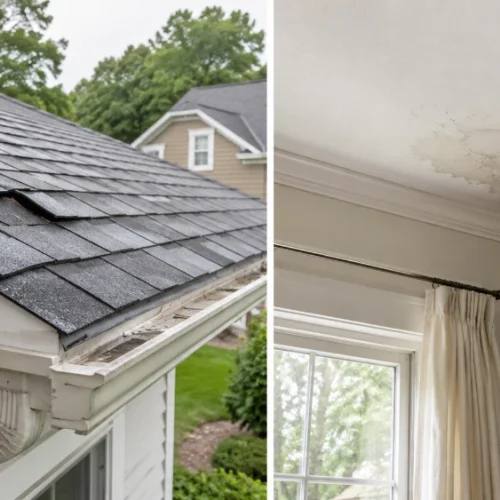
While your office leak might not cost that much, the distraction and “patchwork” are definitely showing up on the negative side of your balance sheet.
Changes in Culture
If your physical space no longer reflects who you are as a business, then you have to do something about it.
Take the current system of work, for example. A lot of businesses are going remote, or at least hybrid. According to Gallup, 26% of businesses work exclusively remotely while 52% operate a hybrid work model. If you’re part of that number, then your office layout has to keep pace, too.
The same thing applies if you’ve grown your team or added new departments. The open floor plan that worked in the beginning can feel chaotic and noisy for a 40-person team that includes heads-down developers and client-facing sales reps.
Energy Inefficiency
This is the one that hits your wallet every single month. Old windows and ancient HVAC systems are money pits. The International Energy Agency noted in 2025 that retrofitting a building with high-efficiency heat pumps can cut energy use by up to 75%.
Of course, you mustn’t go the heat pump route, but if your utility bills are putting a strain on your balance sheet, then it’s time to look at sustainable office design.
Inefficient, Crowded Layout
If your office space is crammed with desks, no real meeting rooms, and a “quiet zone” that’s anything but, it’s costing you in productivity big time. That’s not an environment where great work happens.
It simply shows that your floor plan is failing, and it is a clear sign that you need to do something about space and layout.
Company Growth or Rebranding
If you’re rebranding or growing, your office space must do the same. More importantly, if you’re moving in a new direction, your space needs to match that “vibe.”
Maybe you want to take advantage of the eco-friendly movement in 2026, then your office space should reflect that. This means renewable energy sources, real natural decorations, sustainable branding, and so on.
Wrapping Up
An office renovation doesn’t have to mean breaking down your building or spending a fortune. Sometimes all you need is simply to redesign the layout, upgrade lighting, or modernize meeting spaces.
Small changes like these matter because your office isn’t just where work happens. It shapes the entire trajectory of your business. When the space works, productivity improves. Morale improves. Even clients notice the difference.
So if you’re seeing any of the signs we discussed in this guide, it may be time to start planning that office renovation. You don’t even have to do a lot at once. A small change here this month. Another one next month. Before you know it, you’ll have transformed the look and feel of your office space completely.
FAQs
Most offices benefit from updates every 5–10 years, but high-traffic workplaces may need improvements sooner depending on wear and business growth.
Costs vary widely, but minor renovations may start at a few thousand dollars, while full remodels can reach six figures depending on size and scope.
Yes, many businesses phase renovations or use temporary workspaces to maintain operations during construction.
Frequent repairs, outdated design, rising energy bills, and poor space utilization are clear early indicators.
Renovation is often more cost-effective if the location still works; relocation makes sense when space or accessibility issues cannot be fixed.
Better lighting, layout, and comfort reduce distractions and create an environment where employees can focus and collaborate more effectively.
Yes, even small updates can improve employee morale, client impressions, and overall efficiency without requiring a large budget.
Upgrading insulation, lighting, and HVAC systems can significantly reduce long-term operating costs and improve sustainability.
Yes, professionals help ensure compliance, safety, and efficient project execution, especially for structural or technical upgrades.
Clearly defining your goals, budget, and timeline is crucial to avoid costly delays and ensure the final result meets your needs.