Home improvement projects are one of the most effective ways to increase property value and improve daily comfort. Whether you’re planning to install a pool, replace flooring, build a patio, or add a new structure, it’s important to understand the rules that apply if you live in a community governed by a Homeowners Association (HOA).
Across the United States, millions of properties are located in HOA-governed communities. These associations enforce rules that regulate property appearance, construction work, and neighborhood standards. While HOA construction rules help protect property values and maintain a consistent look throughout the neighborhood, they can also create unexpected challenges for homeowners planning renovation projects.
Before starting any house project, homeowners should understand how HOA approval works and how construction rules may vary depending on the state where the community is located.
Why HOA Construction Rules Exist
HOAs are responsible for maintaining the visual consistency and structural harmony of a community. Construction projects can significantly impact the appearance of a neighborhood, which is why most associations enforce detailed HOA construction rules.
These rules typically regulate exterior home modifications, structural additions such as decks or patios, landscaping changes, swimming pool installations, as well as fences, driveways, and other outdoor structures.
Without these guidelines, communities could quickly lose their uniform appearance, which may negatively affect property values.
How HOA Rules Differ Across States
Although HOA communities exist across the country, the specific rules governing them can vary depending on state laws and local regulations.
For example:
- California HOAs often operate under the Davis-Stirling Act, which provides detailed regulations on association governance and homeowner rights.
- Florida HOAs are heavily regulated due to the large number of planned communities and condominiums across the state.
- Arizona and Nevada have strong homeowner protections that define how HOAs must enforce construction rules.
Texas has one of the fastest-growing housing markets in the United States, which means HOA communities are extremely common across cities like Austin, Dallas, Houston, and San Antonio.
Because of the size and rapid development of communities, many associations rely on professional HOA management companies in Texas to help enforce community rules, manage architectural approvals, and ensure that construction projects comply with local regulations and community standards while guiding homeowners through the approval process.
What Is HOA Approval?
Before beginning many construction projects, homeowners must obtain HOA approval from the community board or Architectural Review Committee.
HOA approval is a formal process where homeowners submit their construction plans for review. The HOA then evaluates the proposal to ensure it follows the community’s design standards and construction guidelines.
A typical HOA approval request usually includes architectural drawings or sketches of the proposed project, the selected materials and colors, the exact dimensions of the construction, contractor information, and an estimated timeline for completing the work.
Once approved, the homeowner can proceed with the project according to the agreed specifications.
How to Get HOA Approval for a Construction Project
Understanding how to get HOA approval can help homeowners avoid delays or costly mistakes.
Most HOA communities follow a structured process.
1. Review Your HOA Governing Documents
Start by reviewing your HOA’s governing documents, including the CC&Rs (Covenants, Conditions, and Restrictions), architectural design guidelines, and construction rules, as these documents explain which types of home improvement or construction projects require HOA approval.
2. Submit Detailed Project Plans
The more detailed your submission is, the easier it will be for the HOA board to evaluate your request.
Your plans should clearly include the project layout and dimensions, the building materials to be used, the selected colors, and the expected construction timeline.
3. Wait for Architectural Review
Many HOAs have an Architectural Review Committee that evaluates construction proposals. Approval timelines can vary but often take 30 to 60 days.
Can HOA Tell You What to Do Inside Your House?
One of the most common questions homeowners ask is: Can HOA tell you what to do inside your house? In most cases, the answer is no. HOAs generally regulate exterior changes that affect the appearance of the neighborhood.
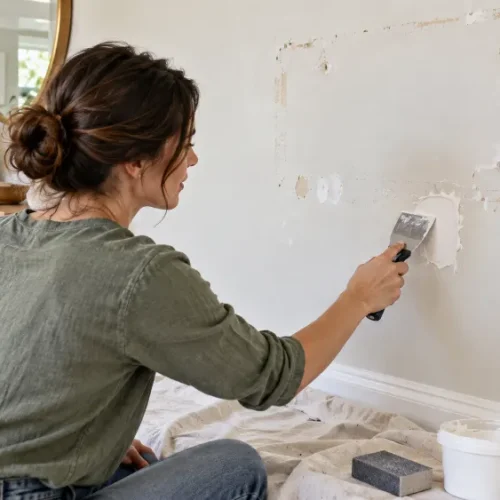
Interior renovations such as painting walls, updating kitchens, or replacing cabinets usually do not require approval. However, there are exceptions in certain types of communities.
For example, in condominiums or townhomes where walls and floors can affect neighboring units, some interior changes may require HOA approval. If replacing carpet with hardwood or tile could increase noise levels between units, homeowners may need HOA approval before making the flooring change.
Major Projects That Require HOA Construction Approval
Some construction projects almost always require HOA approval before work begins.
HOA Pool Construction
Swimming pools are among the most heavily regulated additions in HOA communities. HOA pool construction guidelines may specify:
- Pool placement within the lot
- Safety fencing requirements
- Drainage systems
- Landscaping around the pool
These regulations help ensure safety while maintaining neighborhood aesthetics.
Structural Additions
Projects such as the following almost always require approval:
- Decks and patios
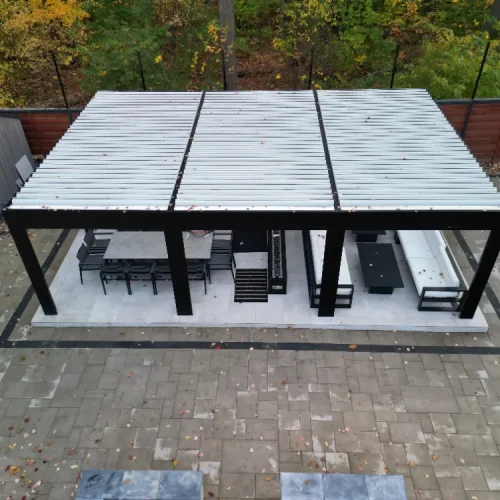
- Gazebos and pergolas
- Home extensions
- Detached structures like sheds
Fences and Landscaping
Fence installations, tree removal, and major landscaping changes are also commonly regulated because they impact the visual appearance of the community.
Building Without HOA Approval: The Risks
Some homeowners consider building without HOA approval to avoid delays. However, doing work without HOA approval can lead to serious consequences.
- HOA rule violations and fines
- Mandatory removal of the construction
- Legal disputes with the HOA
- Complications when selling the property
In many cases, HOAs can require homeowners to restore the property to its original condition if construction violates community rules.
Avoiding HOA Rule Violations During Construction
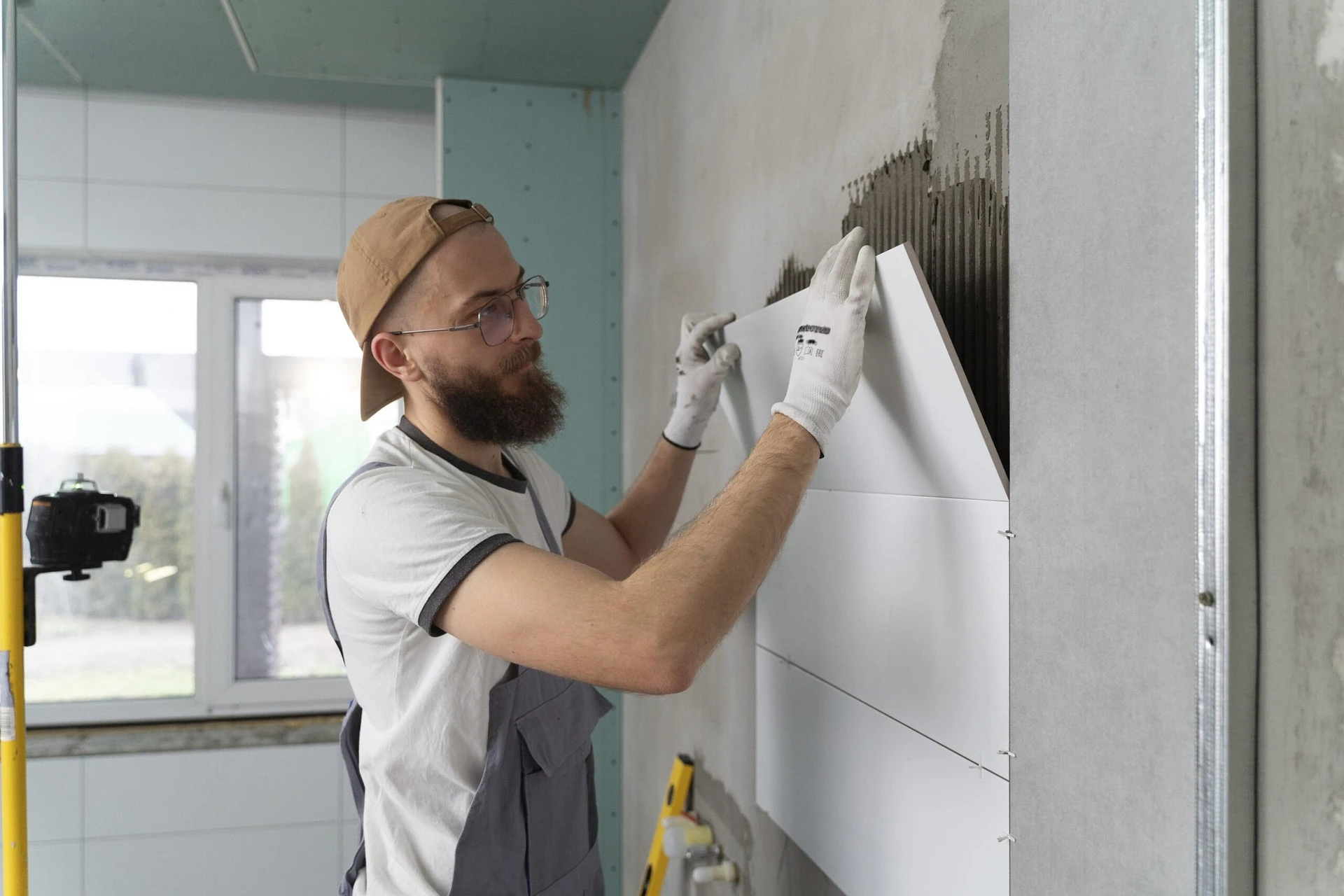
To avoid problems during a home improvement project, homeowners should follow a few best practices:
- Always review HOA construction rules before starting a project
- Submit detailed plans when requesting HOA approval
- Hire licensed contractors familiar with HOA communities
- Follow community work-hour restrictions for construction
- Keep the construction site clean and contained
By taking these steps, homeowners can complete their projects smoothly while maintaining compliance with HOA regulations.
Final Thoughts
HOA communities offer many benefits, including well-maintained neighborhoods, shared amenities, and protected property values. However, these benefits come with specific responsibilities when it comes to construction and renovation projects.
Understanding HOA construction rules, obtaining proper approval, and following community guidelines can help homeowners avoid fines, delays, and costly mistakes.
Before starting your next house project, take the time to review your HOA requirements and submit your plans for approval. Doing so will ensure your project moves forward while respecting the standards that keep your community well-maintained.