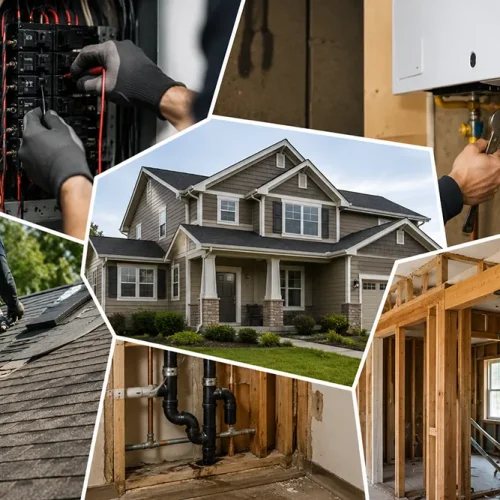
It sounds straightforward to sell your house, until you start the process. We tend to use the word casually, but the fact is that the reality is a very different situation involving specific processes, buyer expectations, and financial implications that surprise most sellers. Knowing what really happens in an as-is sale will not only keep you from getting surprised but also enable you to make wiser decisions throughout your journey. Probably the largest misconception people have about as, is sales is that buyers will neither inspect nor negotiate. They will, of course, inspect the property and negotiate.
‘As is’ means you don’t have to make any repairs to the property before the sale closes. It doesn’t mean that buyers agree to purchase the property without any inspection or negotiation. This is a very important thing to understand because, in many cases, sellers put their houses up for sale with the expectation of one scenario only, while buyers are working with a completely different set of assumptions.
Lower Offers Are Standard, Not Negotiable
Generally, as, is listings attract offers that are 10, 30% lower than those for comparable move-in-ready homes. It is not that buyers are being difficult, it is a reality of the market. Buyers factor in repair costs, risk premiums, and the inconvenience of their offers. If you expect retail pricing from an as, is property, you will be setting yourself up for frustration and unnecessarily extended market time.
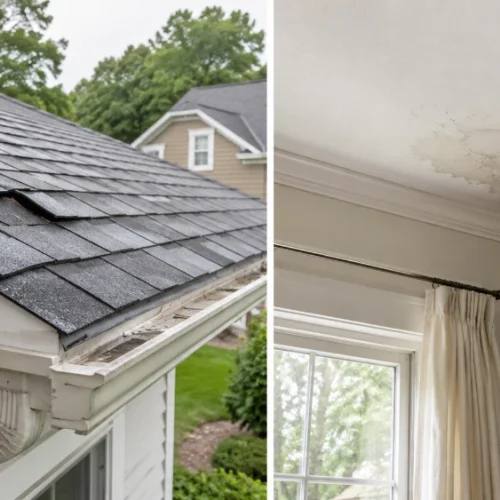
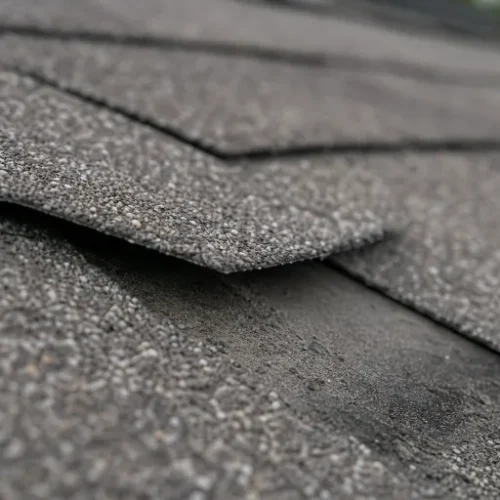
The state of your home will be the main factor in how the offers you receive relate to the 10- 30% range. A home that looks old-fashioned on the surface but is sound structurally will probably only attract 10- 15% reductions. Houses with major problems such as a leaking roof, unstable foundation, or serious water damage may see 25- 30% discounts plus. Put yourself in the buyer’s shoes. They’re facing unknown problems, assembling contractors, living through a renovation, and hoping that inspectors will not find the worst problems. That risk and effort translate into a financial value that gets deducted from your sale price. Denying this fact will only lead to an overly lengthy time on the market.
Inspections Happen Regardless of As-Is Status
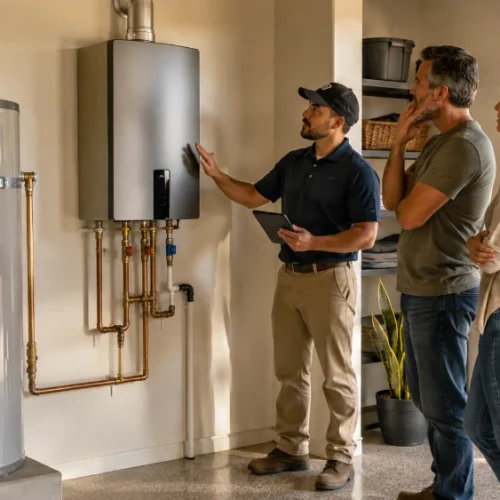
Buyers will definitely check a home in its current condition, sometimes even more thoroughly than for a traditional sale. The as, is clause saves you from buyer repair requests but doesn’t stop the buyers from leaving if the inspections show serious issues. This results in a complicated situation in which you have very little say in the final outcome. In fact, the majority of purchase agreements feature inspection contingencies even in as-is sales. Buyers get inspections to confirm that the problems in the house are what they expected and that there are no hidden disasters. If the inspection report is worse than what they thought, they will either discuss a price lowering or terminate the sales contract. The clever sellers have a pre-inspection done on the home before it hits the market. It gives you the advantage of knowing exactly what your buyers will find; therefore, you can set the price accordingly and reveal all the significant problems at the same time. This honesty actually helps the house to sell faster because the serious buyers have realistic expectations and are not only hoping for the best.
Financing Challenges Limit Your Buyer Pool
Most mortgage lenders will not finance properties that barely comply with basic habitability standards. As such, it immediately excludes a big portion of potential buyers for really distressed properties. In fact, FHA and VA loans impose very strict requirements that many as, is homes cannot fulfill. Homes with major problems, such as non-working HVAC systems, roof issues, or serious structural problems, generally have to be sold to cash buyers or buyers with renovation loans. These groups of buyers are much smaller than the group of buyers who receive traditional financing, the property will be on the market for a longer time and there will be less competition for your property. Fewer competitors in the market will result in a lower price.
Even conventional mortgages require properties to be up to the minimum standards. Lenders want borrowers to buy homes that are suitable for living and that will serve as good security for their investment. Appraisers highlight significant problems that can lead to cancellation of financing approval even after you have negotiated a purchase agreement. Working with companies like The Best Cash Home Buyer eliminates financing obstacles entirely since cash transactions don’t involve lender requirements. This certainty and speed often offset the slightly lower purchase prices that cash buyers typically offer compared to financed retail buyers.
Disclosure Requirements Don’t Disappear
“As is” status doesn’t mean you are free from legally required disclosures. You still have to disclose known material defects even if you didn’t intend to make the repairs. If you try to hide problems, the liability can follow you beyond the closing.
Each state has different disclosure requirements that apply to all sales, even as, is sales. Usually, issues such as foundation problems, roofing, water damage, pests, and environmental hazards have to be disclosed. Saying that you don’t know about the problem is not a defense if you should have known about the problem. The legal standard is concerned with what you knew or should have known. If you have been living in the house for several years, it is assumed that you noticed the obvious defects. Saying that you never saw that the roof was leaking when there are water stains on the ceiling is not a valid defense.
Timing Varies Dramatically by Buyer Type
Retail buyers usually require 30 to 45 days to close on as, is sales, provided that inspections do not result in the deal being scrapped. They are dealing with financing, scheduling inspections, and going through the normal mortgage approval process. These timeframes get even longer if appraisal problems arise.
Investor buyers on the other hand, very often close the deal faster, typically 14 to 21 days for cash purchases. They are familiar with distressed properties and have organized procedures which eliminate a lot of traditional sale complications. Nonetheless, investors push for lower prices because they figure profit margins into their offers. Direct cash buyers generally close the deal fastest of all. If you need speed, they can sometimes do it in as little as 7, 10 days. Such extreme velocity comes with a price discount, but for sellers facing foreclosure, divorce, or a sudden move, the certainty and speed are more important than the lower proceeds.
Hidden Costs Still Apply
Not selling As, is doesn’t mean that sellers get the properties for free. You will still cover closing costs, agent commissions if you listed in a traditional way, and potentially HOA fees or property taxes through closing. These expenses are usually 6, 10% of the sale price, regardless of the property condition.
Many as, is sellers fail to remember carrying costs if the market time is extended. Every month your property sits unsold is a month where you need to pay the mortgage, insurance, taxes, utilities, and maintenance. A property that takes half a year to sell will cost you thousands of dollars in carrying expenses that will diminish the amount of money you will get in the end. Some local governments require minimum property standards before the ownership is transferred, even though the buyer and the seller agreed on as, is sale. If the property has code violations, the owner will have to fix them before the closing, which means that you will have to use some money you were planning to save from the as, is sale for the unexpected expenses.
Managing Your Expectations Realistically
Typically, the most lucrative as, is sales are those in which the sellers comprehend that they’re essentially exchanging convenience for price. The cost is on you for the privilege of not having to deal with repairs, contractors, and renovation stress. This cost is manifested through a lowered sale price and, additionally, a possibly longer time on the market.
Look at as the sale proceeds versus the cost and inconvenience of doing the repairs yourself. There are times when the numbers work out in favor of repairs; spending $10, 000, for example, may result in a sale price increase of $25, 000. On the other hand, especially in situations involving essential systems or structural work, the price reduction for the as, is sale is still less than the repair costs plus your time and stress. Put your personal situation beside the financial calculations. For instance, a person who is about to lose their house through foreclosure, has inherited a property, or is going through a tough divorce can often be helped by as, is sales even if it means leaving some money on the table. The value of peace of mind and certainty is real and it does not show up in the spreadsheets.
Making As-Is Work For Your Situation
Selling as, is can be done very successfully if you do realistic pricing, disclose honestly and accept the market realities. Resist these truths and your property will be the only one sitting unsold while others on the same street get under contract fast. If you address those three points, you will be able to carry out a smooth transaction that works for you.The point is to know what kind of buyer corresponds to your timeline and financial goals. If you want a quick closing, you will need a cash buyer but then your price will have to be lower. If you want to get the most money, you will have to be patient and accommodate the traditional buyers who will have to overcome the financing problem. Base your approach on what you really want instead of dreaming of best-case scenarios that almost never happen in as-is sales.
FAQs
Selling as-is means the seller will not make repairs before closing, but buyers can still inspect and negotiate.
They can request them, but the seller is not obligated to agree; buyers may instead negotiate price or walk away.
Offers are typically 10–30% below comparable move-in-ready homes, depending on the property’s condition.
Yes, inspections are common and often more detailed, even in as-is transactions.
It depends on condition; major issues may prevent FHA, VA, or even conventional loan approval.
Yes. Legal disclosure requirements apply regardless of as-is status.
Retail buyers may take 30–45 days, while cash buyers can close in as little as 7–21 days.
Yes. Sellers still pay standard closing costs, commissions (if applicable), and prorated taxes or HOA fees.
Not necessarily. Sometimes making select repairs can result in a significantly higher net profit.
Investors, house flippers, cash buyers, and buyers using renovation loans are the most common purchasers.