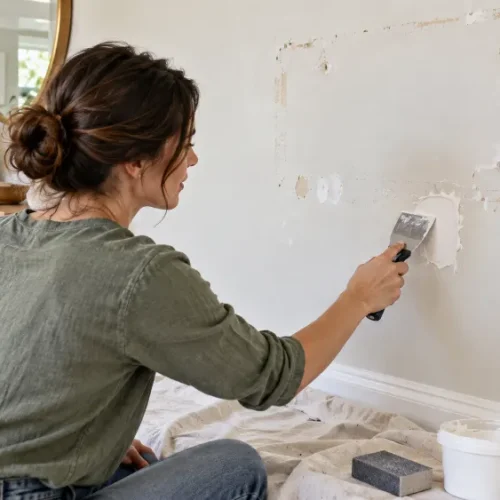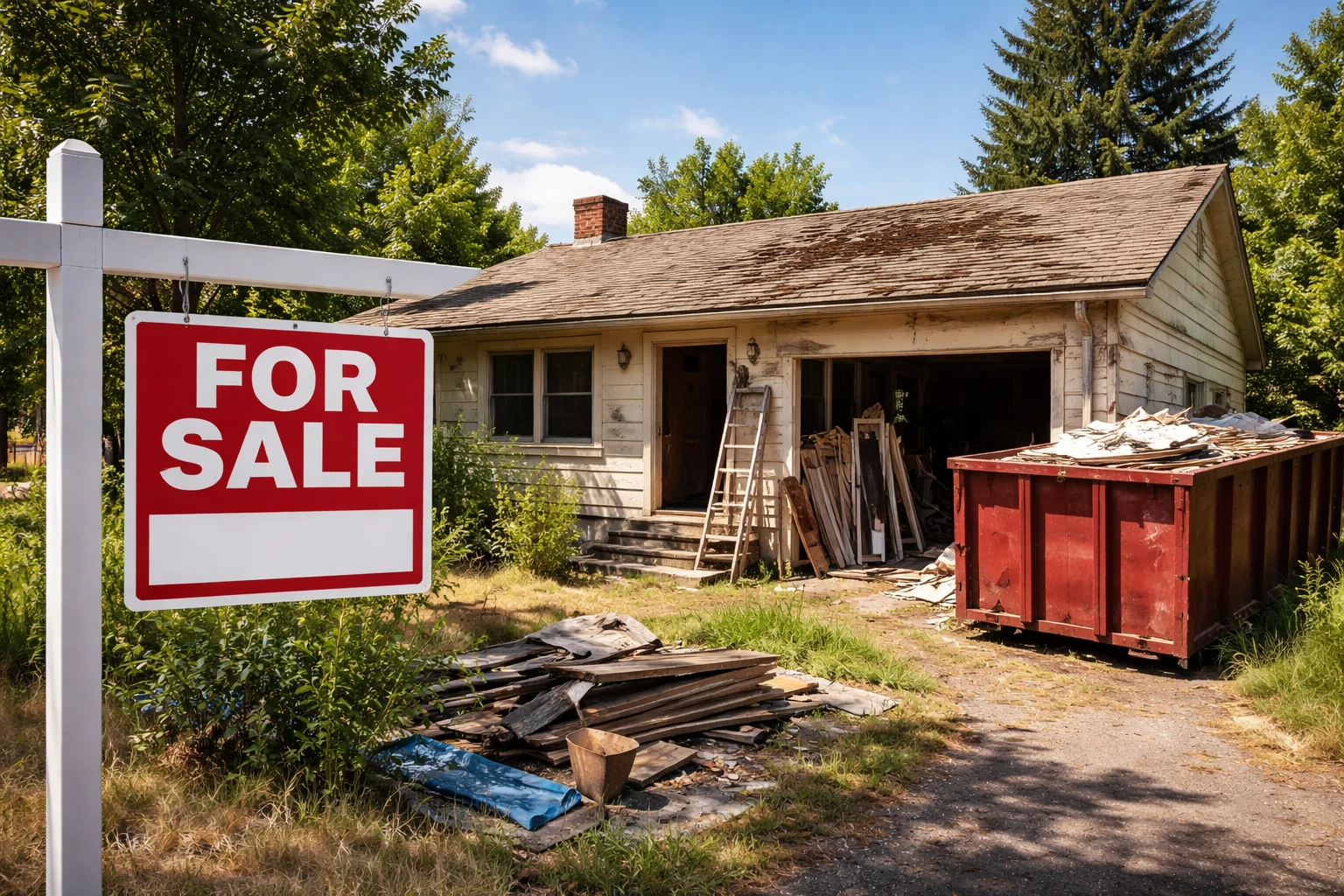
Selling a house as is generally means you put the property up for sale the way it is, without doing any repairs, updates, or improvements prior to closing. The seller is basically offering the buyers a straightforward deal, stating: “This is what you see, and the price should match that.” It’s a valid tactic that could be successful in some cases yet not so good in others, and determining which side of the fence you are on requires an honest evaluation of your property, your deadline, and your money situation.
Your as, is rationale does not exempt you from disclosure laws. In the majority of states, sellers must reveal to buyers any known material defects such as foundation problems, water infiltration, roof damage, electrical hazards, etc. Selling a property as is only refers to the situation when no repairs are done to the property that the seller has disclosed to the buyer. Buyers who accept the property after a thorough examination of the seller’s disclosures are essentially acknowledging the condition of the property; however, they cannot be expected to accept what they do not know. Moreover, attempting to conceal major repairs will not only negate the agreement but will also increase your legal risk to an extent far beyond any financial gain.
The Real Advantages of Selling As Is
The clearest benefit is probably speed. To prepare a house for a traditional market sale takes quite a bit of time. There’s getting contractor bids, scheduling and supervising work, waiting for permits, and dealing with delays. Even relatively small renovation projects can delay a listing date by weeks or months. If you’re in a situation where a job relocation, divorce, estate, financial pressure, or just the lack of energy to manage a renovation are at work, then the value of simply skipping the preparation phase is very real.
There are also considerable savings on the front end, even if they don’t directly convert into net proceeds. Going the traditional route may cost you $20, 000 to $50, 000 or more in repairs and updates to be able to compete in the market, a sum that before closing needs to be shelled out either from savings, a renovation loan, or selling another asset. Those sellers who don’t have such capital at their disposal or don’t want to invest it in a property going away from them, significantly gain by completely avoiding such an expenditure.
Cash buyers and investment-focused purchasers the buyers most likely to pursue as-is properties, also tend to move faster and with fewer financing contingencies than traditional buyers. Companies like Fair Deal Home Buyers specialize in purchasing properties in their current condition, which means no waiting on mortgage approvals, no appraisal contingencies, and a closing timeline that can often be measured in days rather than months. For sellers who need certainty and speed, that buyer profile is genuinely valuable.
The Disadvantages You Need to Understand
The price is the most important drawback of selling a property as is. Buyers of a property that needs renovation are affected by risks and uncertainties and therefore, they bring their risk into their offers. The buyer doesn’t know the exact cost of repairs until he/she actually do the work, there could be some issues, that the buyer may not fully evaluate before closing and also the buyer has to create a margin that accounts for those unknowns. The as, is discount can be from a minor few percent for a property that has cosmetic issues only to a home that has serious structural, mechanical, or environmental problems and in this case, the discount can be substantial.
The pool of traditional retail buyers is also smaller for as, is properties. Most buyers who use conventional financing are in search of ready, to, move homes and their lenders may have certain requirements regarding the condition of the property that make the financing of an as-is purchase difficult or even impossible. FHA and VA loans, especially, have minimum property condition standards that many as, is homes won’t meet. This narrowing of the buyer pool means less competition for your property, which means less upward pressure on offers.
When Selling As Is Makes the Most Sense
The strategy is more suitable for some situations than others, and being able to identify which situation you are in will help you make the decision with confidence.
Estate sales are the typical “as-is” situation where the heirs, who most likely have not been living in the property, have only a vague knowledge of its condition, are too far away to be willing to deal with repair works, and mutually wish to settle the estate quickly rather than squeeze the last dollar out of a prolonged sales process.
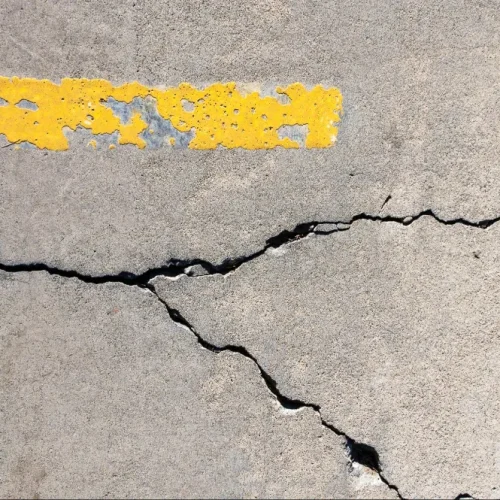
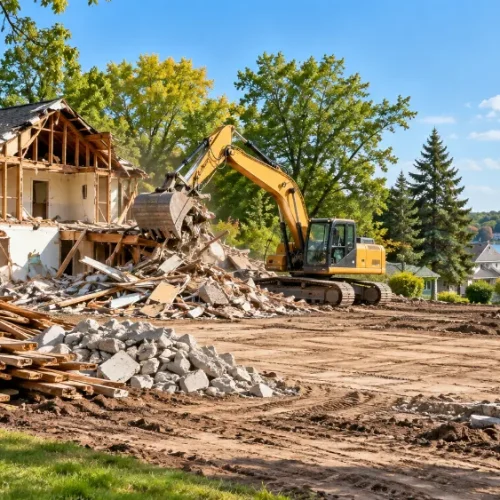
A property with a long list of deferred maintenance issues and/or major structural problems is another example of the natural candidates. If a house requires a new roof, the foundation to be fixed, the electrical system to be updated, and the kitchen to be renovated, the cost and difficulty of bringing all those things up to standard before putting it on the market is enormous. If one decides to do it cheaply to save money, it inevitably leads to problems as buyers will check the property thoroughly, and incomplete or poor quality repairs could stop a sale or result in a price negotiation. Pricing “as, is” to reflect the actual condition of the property is often a lot easier than a refurbishment project in such cases.
How to Approach Pricing Realistically
One paramount factor in the success of an as-is property strategy is pricing the property correctly from the get-go. Thus, charging a high price, anticipating a retail buyer for a property that needs a lot of work will lead to a long stay on the market, the property becoming stigmatized, and eventual price reductions that will put you in a worse situation than if you had priced the property realistically to begin with. Buyers who notice the property on the market for a long time will assume that there are hidden problems apart from the disclosed ones, which makes the next negotiations difficult.
The correct approach is first to estimate how much the property would sell for if it were fully repaired and then realistically estimate what those repairs would cost a buyer. The as, is price should be the after-repair value less repair costs, less the buyer’s profit margin or risk premium. Even if you are not going to carry out the work, obtaining contractor estimates for the major items will give you the knowledge of what the serious buyers will work out and price accordingly.
FAQs
Selling a house as is means listing the property in its current condition without making repairs or improvements before closing.
No. Sellers are still legally required to disclose any known material defects, even when selling the property as is.
Yes. Buyers typically conduct inspections, but they agree to accept the property’s condition as disclosed rather than requiring repairs.
In many cases, yes—especially when selling to cash buyers or investors who can close quickly without financing delays.
Usually, yes. Buyers factor in repair costs, risk, and profit margins, which often results in lower offers.
Cash buyers, investors, and renovation-focused purchasers are the most common buyers for as-is homes.
Often not, because FHA and VA loans have minimum property condition standards that many as-is homes may not meet.
It’s often ideal in estate sales, financial hardship situations, relocations, or when the property has extensive deferred maintenance.
Start with the estimated after-repair value, then subtract repair costs and a buyer risk margin to determine a competitive price.
Yes. Failing to disclose known issues can lead to lawsuits, canceled deals, and significant legal liability.