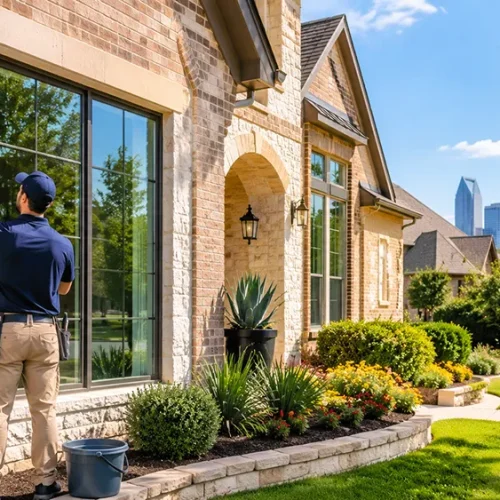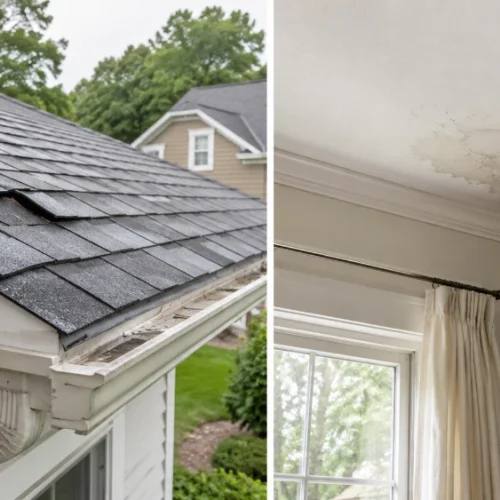

Your property forms an opinion even before anyone engages with your business. That perception develops when somebody looks at your outdoor space.
When visitors come to your area, they unconsciously begin forming judgments about care, structure, and professionalism. When landscaping is poorly maintained, individuals question the business’s credibility.
Well-maintained green spaces and clean walks, on the other hand, imply organization and responsibility. Such early judgments are important because perceptions can tend to shape expectations.
When the exterior is taken care of, people expect the same standards inside. This is why commercial landscaping directly influences business perception. When well thought out and carefully maintained, your exterior can lend credibility and not raise suspicion.
This article explains what commercial landscaping says about your business.
1. First Visual Message Sets Expectations
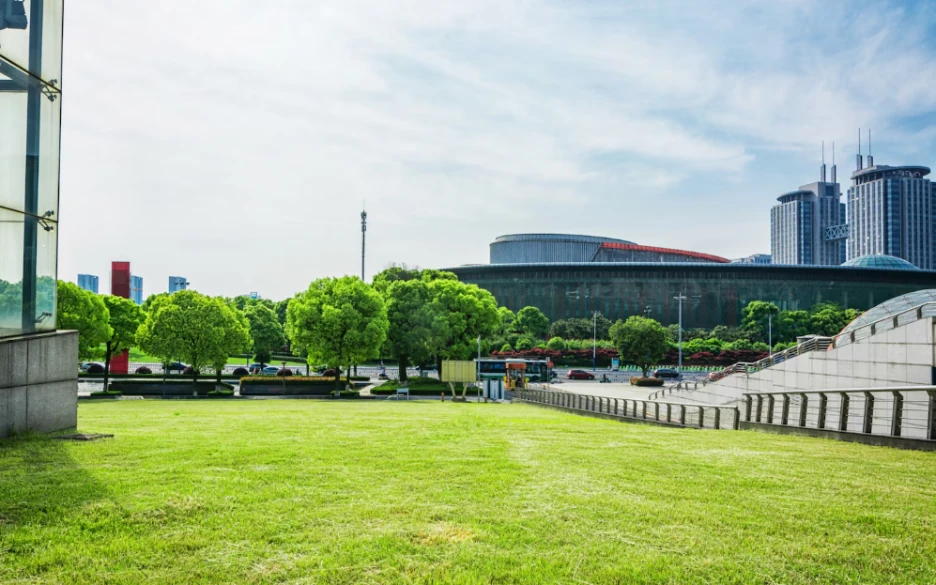
Once a person arrives at your place, their expectations are formed instantly. Outdoor appearance affects judgment long before one starts interacting. It is here that commercial landscaping plays a defining role in shaping perception.
The presence of a clean, well-organized space is an indicator of orderliness and care to detail, whereas a disorganized environment is an indicator of inconsistency. This makes visitors believe that your internal functioning is no different.
Further, visual order brings out a feeling of emotional comfort. Clean edges, well-maintained greenery, and clear access points help visitors feel confident stepping inside. Conversely, disorderly environments lead to indecision.
Thus, your exterior appearance is a preview of the quality of service. In case the preview is positive, it encourages the visitors to trust. By doing so, landscaping provides a quiet framing for all future interactions.
2. Exterior Care Reflects Professional Standards
In addition to appearance, outward maintenance reflects internal discipline. The fact that lawns are mowed and the pathways are kept clean shows that there are regular management practices.
Such consistency is relevant since individuals relate physical order to the reliability of operations. That is, visible care entails unseen efforts behind everyday business practices.
Also, proper maintenance demonstrates devotion instead of quick-fixing. This consistent strategy creates credibility in the long run.
Visitors start thinking your business appreciates long-term outcomes rather than short-term impressions. With the build-up of such a belief, confidence naturally grows.
Thus, landscaping turns into evidence of norms as opposed to ornamentation. It quietly promotes the notion that your business is focused and accountable.
3. Outdoor Design Influences Customer Trust
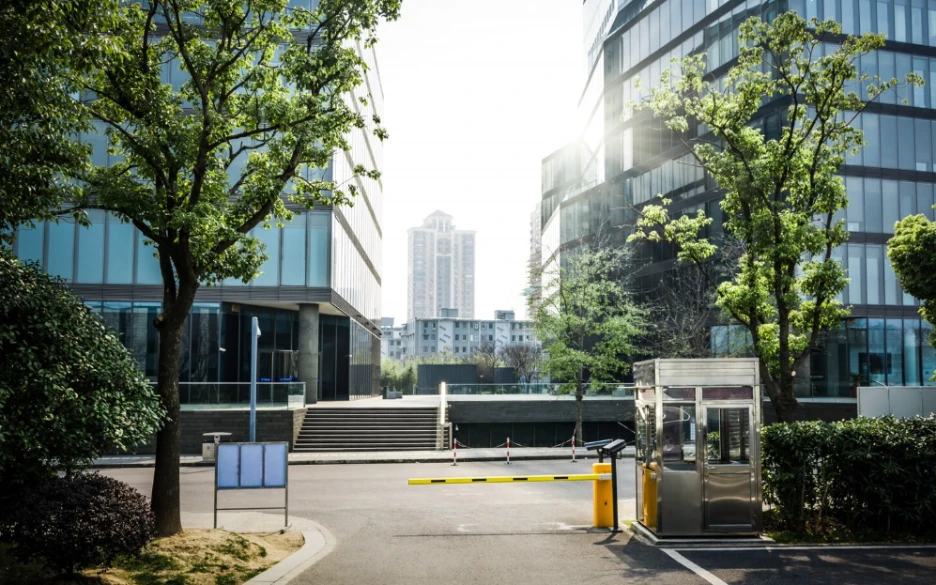
Small signals repeated over a period of time form the basis of trust. Landscaping can help in this process through the influence of emotional responses.
Visitors feel at ease when the outdoor environment is friendly and secure. Such a feeling of ease enables discussions and decisions as well as participation.
Moreover, properly designed layouts lead movement in a natural way. Cleared walkways help eliminate confusion, while balanced planting avoids visual overload.
These facts make visitors feel important and valued. Consequently, trust is not created by words but by experience.
When individuals feel comfortable in your premises, they are more willing to listen to what you have to offer. By doing this, commercial landscaping facilitates the relationship-building prior to any interaction.
4. Workplace Environment Shapes Employee Attitude
Your outdoor area does not just communicate with customers; it also communicates with employees. Exposure to hygienic, serene environments every day affects mood and motivation.
When the employees come into a place that feels orderly, it puts them in a good mood to work. In the long run, such an environment facilitates concentration and enthusiasm. Moreover, the available green space brings mental rest during the breaks. Such breaks can ease the stress and boost energy levels.
Consequently, employees identify a balance in the workplace instead of exhaustion. This relationship has the potential to enhance retention and pride. Thus, commercial landscaping is integrated into the workplace culture, which shapes attitudes based on daily experience as opposed to formal policies.
5. Property Appearance Supports Brand Identity

Your business sends visual signals long before communication begins, and landscaping plays a major role in shaping those signals. When outdoor spaces follow a clear structure, visitors begin associating that order with your brand values.
For example, neat layouts and balanced planting can suggest reliability and stability, while consistent design across the property reinforces recognition. Over time, these visual cues help people remember your business more clearly.
In addition, a well-maintained exterior supports brand consistency by aligning appearance with expectations. When what people see matches what they experience inside, trust grows naturally.
As a result, commercial landscaping becomes part of how your brand is experienced daily, not through words but through surroundings that quietly reinforce identity.
6. Safety Signals Build Confidence Instantly
Safety is one of the strongest messages your property can send. When walkways remain clear, lighting is adequate, and plants are properly trimmed, visitors feel more comfortable moving through the space.
This comfort reduces hesitation and allows attention to stay on purpose rather than on surroundings. Furthermore, visible safety care shows that management pays attention to details that affect people directly. When potential risks are managed effectively, confidence develops quickly.
Employees and customers both respond positively to environments that feel secure. Over time, this sense of safety becomes part of how your business is remembered. Commercial landscaping, therefore, supports trust by showing that protection and responsibility are treated seriously.
7. Long-Term Value Reflects Smart Planning
Landscaping also communicates how your business thinks about the future. Healthy plant growth, stable layouts, and consistent maintenance suggest planning rather than quick fixes.
This approach signals stability to visitors, tenants, and partners. When outdoor spaces look thoughtfully managed, people assume similar care is applied to operations and decision-making.
In addition, proper landscaping helps protect property condition by reducing wear and unmanaged growth. This preservation supports long-term value and minimizes future concerns.
Over time, these visible choices shape the perception of reliability and foresight. As a result, commercial landscaping becomes a sign of smart planning, showing that your business invests in lasting quality instead of short-term appearance.
Conclusion
Every outdoor detail sends a message, whether intended or not. Landscaping influences how people interpret your professionalism, reliability, and values before the conversation begins.
From shaping first impressions to reinforcing safety and consistency, exterior spaces quietly guide perception. When design and maintenance align with purpose, visitors feel confident and respected.
Employees experience balance, while partners recognize foresight. These signals combine to form a powerful narrative about your business character.
By paying attention to what your landscape communicates, you gain control over that narrative. In doing so, your property becomes more than a location; it becomes a clear reflection of standards, care, and long-term vision.
FAQs
Commercial landscaping shapes first impressions and influences how customers perceive professionalism, reliability, and care.
A clean, organized outdoor space creates comfort and confidence, which helps customers feel secure engaging with your business.
Yes. Neglected grounds can signal disorganization or lack of attention to detail, which may lower credibility.
Well-maintained green spaces can improve mood, reduce stress, and contribute to a more positive workplace atmosphere.
Consistent maintenance suggests strong management practices and attention to long-term quality.
Yes. Structured layouts and consistent design elements reinforce brand values and improve recognition over time.
Clear walkways, proper lighting, and trimmed plants signal that safety is prioritized, building instant confidence.
No. Beyond appearance, it communicates professionalism, stability, and operational discipline.
Healthy plant care and thoughtful planning help protect property condition and reduce costly future repairs.
Regular, scheduled maintenance is essential to ensure the property consistently reflects care and professionalism.