This post contains affiliate links. As an Amazon Associate, I earn from qualifying purchases, at no extra cost to you. See our disclosure policy.

Renovating a home is exciting. Whether you’re updating an outdated kitchen, finishing a basement, or transforming your entire living space, the idea of creating something new often overshadows one critical factor: cost.
Unfortunately, many homeowners begin renovation projects with unrealistic expectations about expenses. What starts as a manageable budget can quickly spiral into stress, delays, and financial strain.
Understanding what most homeowners get wrong about renovation costs can help you plan smarter, avoid surprises, and make confident decisions before the first hammer swings.
1. Underestimating the Total Project Cost
One of the biggest mistakes homeowners make is focusing only on visible upgrades—cabinets, countertops, flooring, paint—while overlooking the hidden expenses.
Renovation costs typically include:
- Labor and contractor fees
- Permit costs
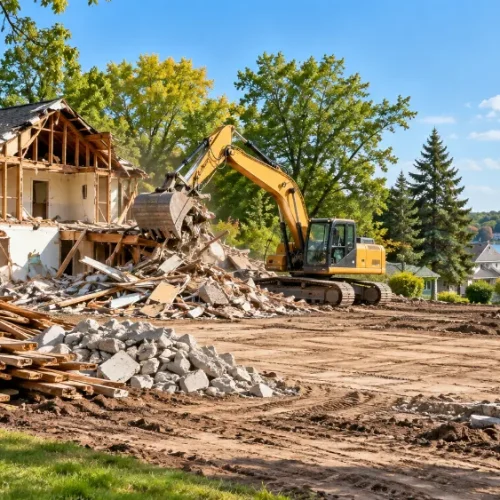
- Demolition and disposal
- Electrical and plumbing updates
- Structural repairs
- Unexpected damage (water, mold, wiring issues)
- Design fees
- Material delivery charges
These problems are not cosmetic upgrades that can be postponed. They must be repaired before any visible improvements can move forward safely and legally. In some cases, structural repairs extend to exterior walls or roofing, which may require additional access solutions such as hiring scaffolding for exterior work to ensure the job is completed safely and efficiently.
Homeowners often assume their budget covers “everything,” only to realize mid-project that significant funds must now be redirected toward essential repairs, equipment, and safety requirements. Planning for contingencies, including potential access and safety costs, can prevent financial strain and stalled progress.
Many homeowners base their budgets on rough online averages or a friend’s past project, but every home is different. Without a detailed breakdown, it’s easy to underestimate the true cost.
2. Ignoring Hidden Structural Issues
Older homes, especially, tend to hide surprises behind walls and under floors. Once demolition begins, contractors may discover:
- Outdated wiring
- Plumbing leaks
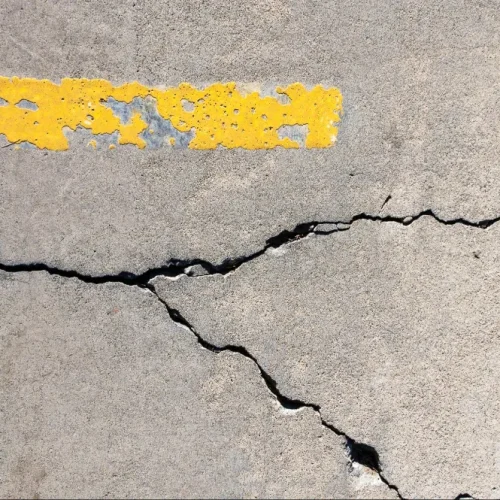
- Foundation cracks
- Rotting wood
- Code violations
These issues are not cosmetic—they must be fixed before the renovation can move forward safely and legally.
Homeowners often assume their budget covers “everything,” only to realize mid-project that thousands of dollars must now go toward structural repairs. Planning for contingencies is essential.
3. Not Setting Aside a Contingency Budget
A common industry recommendation is to set aside 10–20% of your renovation budget for unexpected costs. Yet many homeowners skip this step.
For example, If your renovation budget is $30,000, you should ideally reserve $3,000–$6,000 for surprises.
Without a contingency fund, unexpected costs can:
- Delay your project
- Force you to downgrade materials
- Create financial stress
- Increase reliance on credit or loans
A realistic budget isn’t just about the ideal plan—it’s about preparing for the unpredictable.
4. Confusing Estimates with Final Costs
Another misunderstanding involves the difference between an estimate and a fixed price.
Some homeowners assume the first number they receive is final. However, estimates can vary depending on:
- Material price fluctuations
- Labor availability
- Scope changes
- Market conditions
A detailed, itemized estimate provides transparency and helps you understand where every dollar is going. Vague quotes often lead to confusion and disputes later.
This is why many homeowners work with construction estimating services for home builders early in the planning phase to ensure their budget reflects realistic market pricing rather than guesswork.
5. Changing the Scope Mid-Project
Scope changes are one of the fastest ways to increase renovation costs.
For example:
- Upgrading from laminate to quartz countertops
- Expanding the project to include an additional room
- Adding custom features not originally planned
Each change may seem minor, but collectively they can significantly increase expenses.
Before starting your renovation, finalize your design choices as much as possible. Frequent changes during construction often lead to:
- Labor rescheduling fees
- Material reorders
- Delays
- Increased contractor costs
Clear planning upfront prevents costly revisions later.
6. Prioritizing Aesthetics Over Functionality
Homeowners often focus on how a space looks without fully considering its functionality. Trendy designs can be appealing, but they may require structural changes that dramatically increase costs.
For instance:
- Removing load-bearing walls
- Relocating plumbing lines
- Rewiring electrical systems
- Expanding windows or doors
These upgrades are possible—but they significantly impact the budget.
Balancing aesthetics with practicality ensures your renovation remains financially sustainable.
7. Assuming DIY Always Saves Money
DIY projects can reduce costs for simple upgrades like painting or installing shelves. However, complex renovations—especially those involving electrical, plumbing, or structural changes—require professional expertise.
Mistakes in these areas can result in:
- Safety hazards
- Failed inspections
- Costly repairs
- Reduced home value
In many cases, hiring qualified professionals actually saves money in the long run by preventing expensive errors.
For larger residential projects, some homeowners choose to work with a Residential construction estimating company to better understand the financial scope before committing to major structural or layout changes.
8. Overlooking Permit and Inspection Costs
Permits are often required for:
- Electrical upgrades
- Plumbing modifications
- Structural alterations
- Additions and expansions
Permit fees vary by location, and skipping them can lead to serious consequences, including fines or complications when selling your home.
Additionally, inspections may reveal issues that require further work—adding unexpected costs to your project.
Factoring these regulatory requirements into your initial budget is essential for avoiding last-minute stress.
9. Failing to Compare Material Options
Material prices can vary widely depending on quality, brand, and availability.
For example:
- Hardwood flooring vs. engineered wood
- Granite vs. quartz countertops
- Custom cabinets vs. semi-custom options
Without comparing alternatives, homeowners may overspend unnecessarily—or underestimate how much their preferred materials will cost.
Smart budgeting includes researching multiple options and understanding the long-term durability and maintenance costs of each choice.
10. Not Planning for Timeline Delays
Time is money in renovation projects. Delays caused by:
- Backordered materials
- Labor shortages
- Weather conditions
- Inspection approvals
can extend your project timeline and increase labor costs.
Homeowners often underestimate how long renovations take. A kitchen remodel may take weeks, while larger projects can last months.
Realistic timelines help prevent frustration and financial pressure.
Final Thoughts
Renovation projects can dramatically improve your home’s comfort, functionality, and value—but only when properly planned.
The most common renovation cost mistakes stem from:
- Unrealistic budgeting
- Ignoring hidden issues
- Skipping contingency funds
- Making last-minute changes
- Underestimating professional guidance
By approaching your renovation with detailed planning, realistic expectations, and a clear understanding of cost factors, you can avoid the financial surprises that catch many homeowners off guard.
Careful preparation today ensures your renovation journey is not only beautiful—but financially manageable as well.