This post contains affiliate links. As an Amazon Associate, I earn from qualifying purchases, at no extra cost to you. See our disclosure policy.
Contemporary architecture has a complicated relationship with light. We want interiors that feel open and uplifting, yet we’re designing tighter envelopes, smarter façades, and increasingly complex building forms. In many projects, the old default—adding more vertical glazing—doesn’t solve the problem. Adjacent buildings block views. Privacy becomes a concern. Deep floor plates still read as dim, even with generous wall windows.
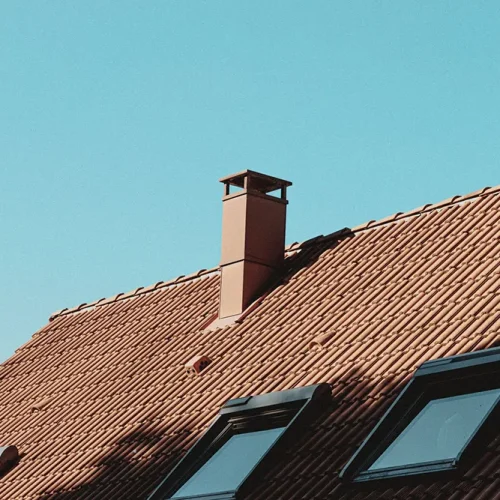
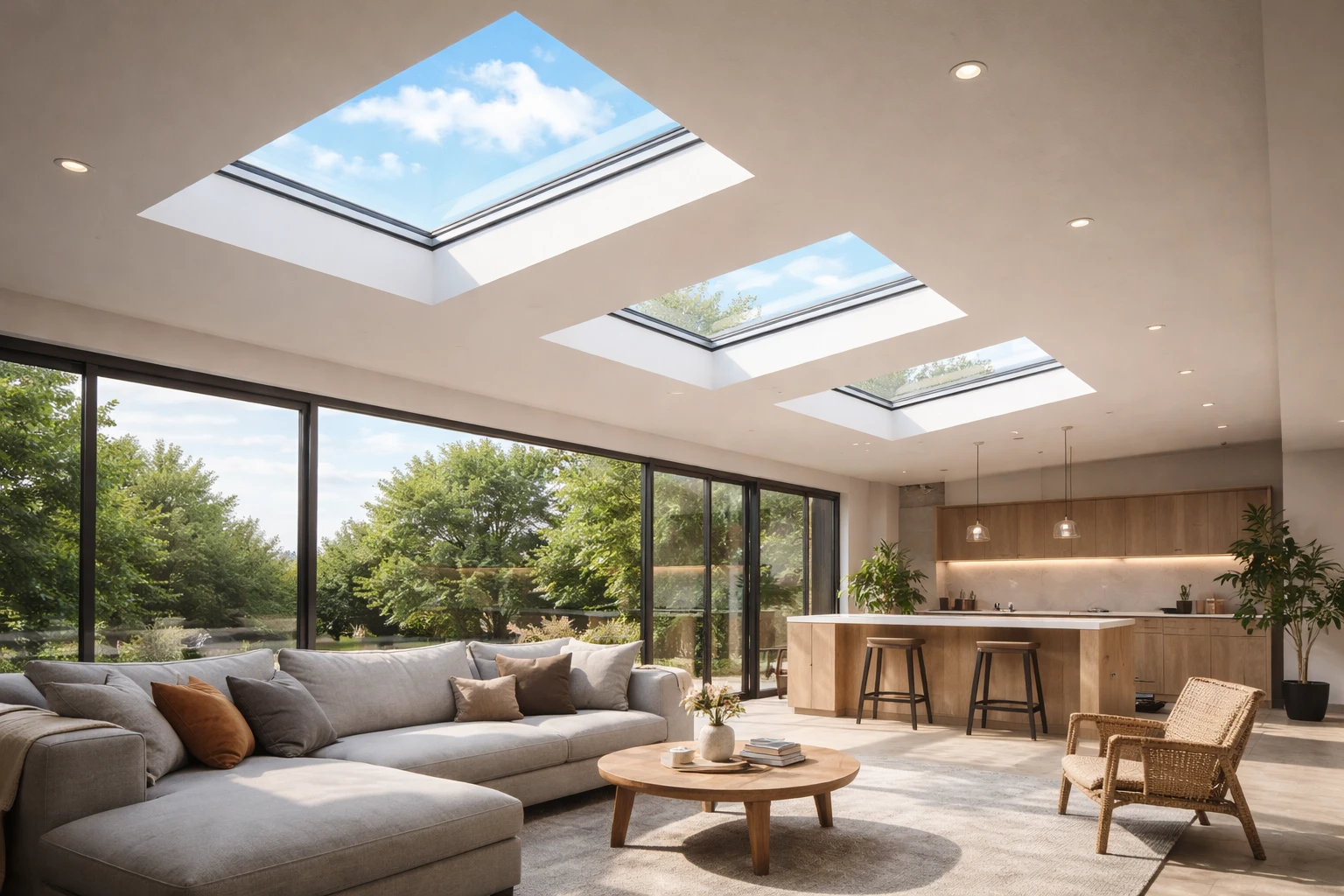
That’s where the roof plane has quietly become one of the most powerful design tools available. Flat roof windows—often grouped under terms like rooflights, skylights, or lanterns—bring daylight from a direction façades can’t always access. In dense urban sites, they can transform a “dark middle” into the heart of a home or workplace, and in low-rise commercial buildings they can reduce reliance on artificial lighting for long stretches of the day.
If you’re exploring specifications and formats, it’s worth reviewing a range of roof-mounted windows for level roofs to understand how different profiles, glazing options, and opening methods support different architectural intentions.
Why the roof plane matters more than ever
Architects are being asked to deliver more with less: lower operational energy, healthier interiors, and adaptable spaces that work across seasons. Daylighting sits right at the intersection of these demands.
Top light behaves differently from side light. It reaches deeper into a room, and it tends to distribute more evenly, especially when the rooflight is well positioned. That’s why a modest roof opening can sometimes outperform a larger vertical window in perceived brightness. In open-plan layouts—kitchen/dining/living spaces, studios, circulation spines—this can be the difference between a home that “works” and one that feels perpetually compromised.
There’s also a compositional shift in contemporary design. Flat roofs and parapets have become common not just in minimalist homes, but in extensions, apartment podiums, and mixed-use refurbishments. A flat roof is no longer a leftover surface; it’s a design opportunity. Roof windows let you activate that surface in a way that supports both aesthetics and performance.
Daylight as a material, not an afterthought
Shaping experience and spatial hierarchy
Ask yourself: where do you want people to pause? Where should the building feel calm, social, focused, or dramatic? Flat roof windows let you “place” daylight with precision.
A rooflight over a dining table creates a natural centre of gravity. Over a stair, it turns circulation into a daily experience rather than a functional afterthought. In galleries, studios, or home workspaces, overhead light can reduce contrast and glare compared with poorly oriented side glazing—provided you manage solar gain.
Bringing life to deep plans
Many contemporary refurbishments involve extending the back of a property while retaining existing rooms at the front. The result is a deep plan with competing daylight requirements. Rooflights can support the new rear volume while also “pulling” light into transitional zones—hallways, internal thresholds, even borrowed-light strategies through glazing and open shelving.
The key is not just adding skylights, but integrating them into the architectural section. Think about ceiling heights, light wells, and how surfaces reflect light. Matte, light-toned finishes often do more for daylight distribution than another square metre of glazing.
Performance: the good, the bad, and the avoidable
Flat roof windows are not automatically “better” than vertical glazing. Done carelessly, they can introduce overheating, glare, and heat loss. Done well, they become a high-performing part of the envelope.
Managing solar gain and overheating
Overheating risk has moved from an edge case to a mainstream design constraint. Large overhead glazing can be a culprit, particularly in south-facing exposures or in rooms with limited cross-ventilation. Pay attention to:
- Solar control (g-value): Lower g-values reduce solar gain, but can also reduce passive warmth in winter.
- Orientation and shading: Parapet depth, external shading, or careful positioning can moderate peak sun.
- Ventilation strategy: An opening rooflight can act as a thermal chimney, exhausting warm air at high level.
Airtightness, condensation, and build quality
Because roof windows sit in a highly exposed plane, details matter. Upstands, insulation continuity, vapour control, and drainage paths are not glamorous topics—but they determine whether a rooflight performs quietly for decades or becomes a maintenance story.
Condensation risk is often less about the window and more about internal humidity and thermal bridges at the junction. Warm-edge spacers, appropriate U-values, and correct installation height relative to the roof build-up all play a role.
Designing with flat roof windows: a practical approach
Early coordination beats late compromises
The best rooflight designs happen early, when structure, services, and interior planning can respond. Waiting until late stages often leads to awkward collisions: a rooflight placed where a joist wants to be, or a beautiful opening blocked by ductwork.
A simple design checklist helps keep things aligned:
- Confirm the primary purpose: daylight, views of sky, ventilation, or all three
- Coordinate structure and openings early (especially with joist directions and trim requirements)
- Model daylight and overheating risk, particularly for large glazed areas
- Define access and cleaning strategy for high or hard-to-reach installations
- Detail the junctions: insulation continuity, waterproofing, and vapour control at the upstand
(That’s the only list you need; everything else flows from it.)
Fixed vs opening: choose with intent
Fixed roof windows are often simpler and can be excellent for pure daylighting. Opening units add another layer of value, especially in kitchens, bathrooms, and high-occupancy living spaces where purge ventilation matters.
If you’re relying on an opening rooflight as part of your ventilation strategy, consider how it will be controlled. Manual opening is fine at reachable heights; for others, electric or automated operation can make the difference between “available” and “actually used.” In higher-spec projects, sensors that respond to temperature, CO₂, or rain can support comfort without demanding constant user attention.
The aesthetic shift: from skylights to roof “compositions”
One of the most interesting architectural trends is how roof windows are being used to compose the fifth elevation. Instead of a single central rooflight, designers are using sequences—aligned rectangles over a corridor, paired rooflights to frame a view of sky, or a linear rooflight to emphasize a long axis.
This isn’t decoration. It’s a way to make daylight legible. When occupants can read where light comes from, spaces feel calmer and more intentional. It also supports wayfinding in larger homes and commercial interiors—people naturally move toward brighter areas.
Looking ahead: daylight, wellness, and resilience
The conversation is expanding beyond energy savings. Standards and frameworks that address wellbeing—think circadian lighting principles, access to daylight, and indoor air quality—are influencing client expectations. Flat roof windows sit right in that discussion because they can improve perceived comfort without expanding the building footprint.
At the same time, resilience is becoming a design priority. Roof glazing needs to perform through heatwaves, storms, and long wet seasons. That means specifying robust glazing, reliable weathering details, and ventilation strategies that can adapt to changing conditions.
Flat roof windows aren’t a “feature” to bolt on at the end. In contemporary architecture, they’re part of how we shape space, manage performance, and create interiors that feel generous even when constraints are tight. If you treat the roof plane as an active design surface—and coordinate it early—top light can do some of the heaviest lifting in the whole project.
FAQs
Flat roof windows are glazed units installed on level or low-pitched roofs to bring daylight into interior spaces from above.
While often used interchangeably, flat roof windows are typically designed specifically for level roofs and may offer improved insulation, airtightness, and modern framing profiles.
Yes, top light generally penetrates deeper into a room and distributes more evenly than side light, especially in deep-plan layouts.
When properly specified, they can reduce reliance on artificial lighting and support passive ventilation, contributing to lower operational energy demand.
They can contribute to overheating if poorly positioned or specified, but solar-control glazing, shading, and ventilation strategies can effectively manage this risk.
Not when installed correctly; proper upstands, waterproofing details, and insulation continuity are critical to long-term performance.
Choose fixed units for pure daylighting and opening units if ventilation, air circulation, or purge cooling is part of your design strategy.
Yes, they are commonly used in offices, studios, and retail spaces to improve daylight quality and reduce artificial lighting during the day.
They can improve perceived brightness, enhance connection to the sky, and support better air quality when integrated with a thoughtful ventilation plan.
Ideally, they should be coordinated early in the architectural design to align with structure, services, insulation, and performance goals.