This post contains affiliate links. As an Amazon Associate, I earn from qualifying purchases, at no extra cost to you. See our disclosure policy.
Nobody plans for their air conditioner to break during a summer heatwave. But guess what, they do. And when they do, days feel never-ending. That’s not all. It affects sleep quality, work productivity, and even health conditions that depend on stable indoor temperatures.
HVAC systems are part of almost every household today, mainly due to the temperature swings brought forth by climate change. No wonder the American HVAC systems market is projected to reach $54.02 billion by 2033.
HVAC systems are prone to failure, and you probably know that now if you happen to own one. The good news is that a bit of foresight can save you from sweating through an emergency or shivering under extra blankets.
Here are some practical steps to keep your home comfortable year-round, even when your heating or cooling system has other plans.
How to Keep Your HVAC System in Peak Condition All Year Long
Most people wait for something to go wrong before they think about HVAC maintenance. Routine care keeps your equipment running longer, prevents unexpected failures, and helps control energy costs throughout the year. Small efforts now can save you from major headaches down the road.
Replace Air Filters Every One to Three Months
Dirty filters force your system to work harder than necessary. They restrict airflow, reduce efficiency, and circulate dust throughout your home. Homes with pets or allergy sufferers need more frequent changes. Check the filter monthly and swap it out when it looks clogged or discolored.
Ideally, you should replace the air filters every one to three months, depending on usage, household conditions, and whether you have pets or allergies. Clean air keeps your system running smoothly while improving indoor air quality for everyone breathing it.
Schedule Professional Inspections Twice Yearly
Technicians catch problems you can’t see from the outside. They inspect electrical connections, measure refrigerant levels, and test system performance under load. Spring and fall appointments prepare your equipment for the seasons when you’ll need it most.
These visits pay for themselves by preventing emergency calls. Think of inspections as your insurance against inconvenient breakdowns.
Clean Outdoor Condenser Units Regularly
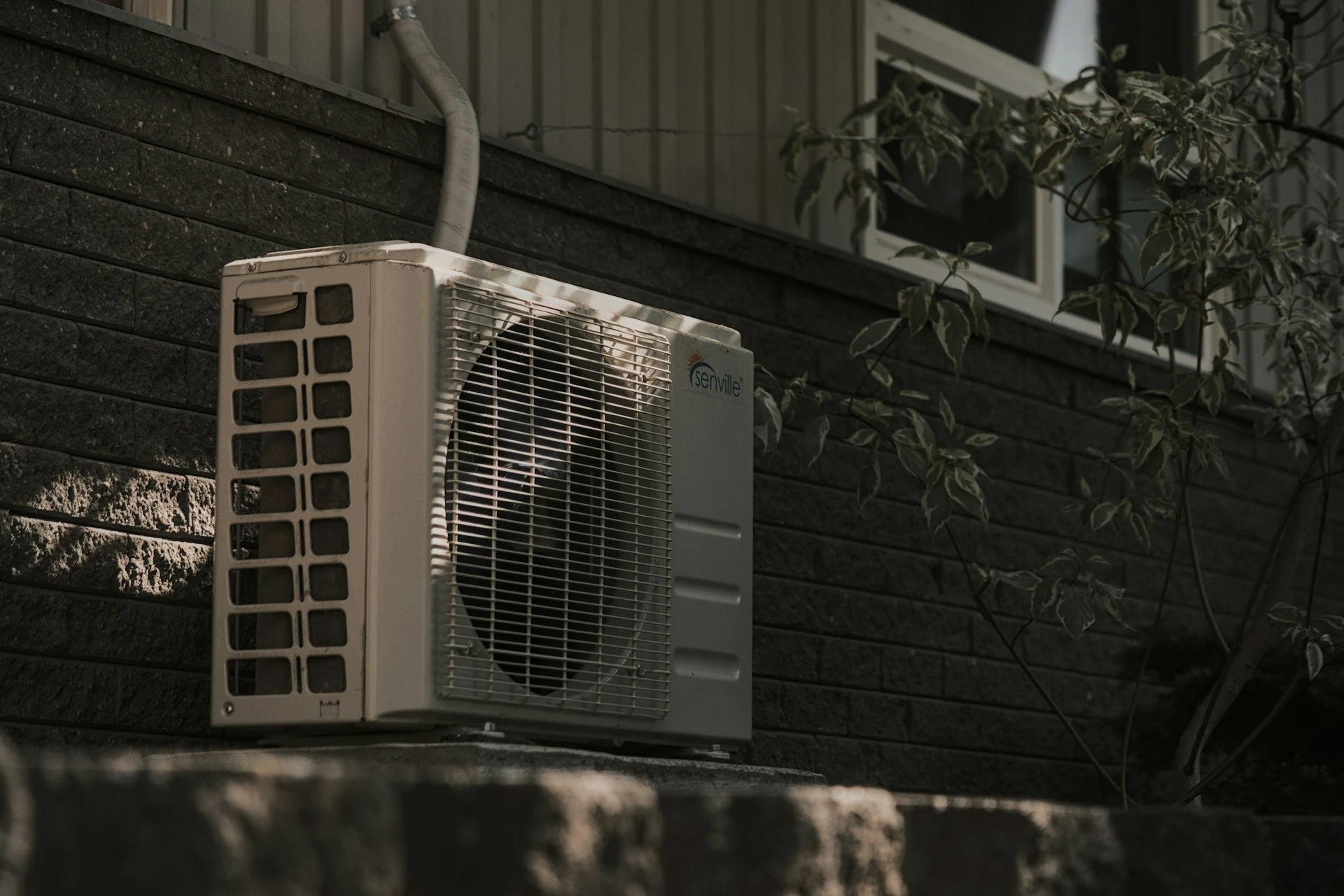
Your outdoor unit needs breathing room to function properly. Leaves, grass clippings, and dirt accumulate around the fins and block airflow over time. Turn off the power before cleaning, then gently rinse the unit with a garden hose.
You should also trim back any vegetation within two feet of the condenser. A clean unit dissipates heat more effectively and runs more efficiently all summer long.
Check and Clear Condensate Drain Lines
Condensate lines carry moisture away from your system as it cools your home. When these lines clog, water backs up and can damage ceilings, walls, or the unit itself. Pour a cup of vinegar through the drain line every few months to prevent algae buildup.
If you notice water pooling near your indoor unit, the drain line likely needs attention right away.
Test Thermostat Accuracy and Replace Batteries
An inaccurate thermostat quietly jacks up your energy bill while you sit there wondering why the house never feels comfortable. Grab a standalone thermometer, place it next to your thermostat, and compare the two readings after an hour.
If they’re off by more than a degree or two, you probably need to recalibrate or replace the whole thing. Toss in fresh batteries once a year for battery-powered models, ideally before heating or cooling season kicks in.
Inspect Pipes for Corrosion Signs
Inspect pipes for corrosion signs, as metal deteriorates when exposed to water, oxygen, and minerals, notes 24hr Supply. Corrosion appears as rust, discoloration, or small pinhole leaks that can worsen rapidly if ignored. Walk around your HVAC system periodically and look for these warning signs on visible piping.
Catching corrosion early allows for targeted repairs before a pipe fails completely and floods your home.
The Most Common Failures in HVAC Systems
HVAC systems have dozens of moving parts, and any one of them can fail without warning. Knowing which components are most susceptible helps you recognize problems early and respond before a small issue becomes a complete system shutdown.
Compressor Failures
The compressor pumps refrigerant through your system and handles enormous pressure every time it cycles on. When compressors fail, they often do so suddenly and completely, leaving you without cooling capabilities. Electrical issues, refrigerant leaks, or contamination from a dirty system typically cause these failures.
This might require you to replace the compressor unit completely, which represents one of the most expensive HVAC repairs. It’s always wise to have an emergency HVAC parts distributor on your contact list for instances like these. A reliable supplier can source original, high-quality components quickly to get your system back up and running again.
Capacitor Breakdowns
Capacitors store and release electrical energy to start motors and keep them running smoothly. They’re among the most frequently replaced HVAC components because they wear out from repeated electrical stress.
A failing capacitor causes hard starting, random shutdowns, or prevents your system from turning on entirely. Hot weather accelerates capacitor degradation, which explains why they often fail during peak cooling season when you need your system most.
Refrigerant Leaks
Refrigerants don’t get used up like fuel in a car. If levels drop, you have a leak somewhere in the system. Low refrigerant forces your compressor to work overtime, reduces cooling capacity, and eventually leads to complete failure.
Leaks often occur at connection points, in the evaporator coil, or along copper lines that develop pinhole cracks. Technicians must locate the leak, repair it properly, and recharge the system to manufacturer specifications for optimal performance.
Blower Motor Burnout
The blower motor circulates air through your ductwork and into your living spaces. Motors fail when bearings wear out, electrical components overheat, or the motor runs continuously without proper rest cycles.
You might notice weak airflow, strange noises, or no air movement at all when the blower motor goes bad. Lack of maintenance, particularly dirty filters that restrict airflow, accelerates motor failure significantly.
Thermostat Malfunctions
A faulty thermostat sends incorrect signals to your HVAC system or stops communicating altogether. Your home might feel too warm or too cold, even though the system appears to be running. The real problem shows up on your energy bill when the system cycles on and off at the wrong times or runs continuously without reaching the set temperature.
Sometimes the issue stems from loose wiring, dead batteries, or dust buildup inside the unit. Other times, the thermostat itself has failed and needs replacement. A malfunctioning thermostat can waste hundreds of dollars annually in unnecessary heating and cooling costs. That’s the last thing you want when energy prices have already surged up by 13%.
Seasonal Warning Signs for HVAC Failure
Your HVAC system shows different distress signals depending on the season and which components are working hardest. Summer stress-tests your cooling equipment while winter pushes your heating components to their limits, so knowing what to watch for during each season helps you catch problems before they escalate.
Summer Warning Signs:
Summers keep getting more intense, and extreme heat waves now put nearly 255 million Americans at life-threatening risk each year. When your AC starts showing problems during these brutal stretches, you need to spot them fast before a minor issue leaves you sweating through record temperatures.
- Weak airflow from vents: Even when the system runs constantly, rooms stay warm, and air feels barely noticeable coming through registers or ducts.
- Ice formation on refrigerant lines: Frozen copper lines near the outdoor unit indicate low refrigerant levels, restricted airflow, or a failing expansion valve.
- Unusual noises during cooling cycles: Grinding, squealing, or banging sounds from the outdoor unit often signal compressor problems or loose fan blades hitting components.
- Water pooling around the indoor unit: Excess moisture near your air handler means the condensate drain is clogged or the drip pan has cracked and leaks.
Winter Warning Signs
Winter breakdowns present unique challenges because heating failures can quickly create unsafe conditions inside your home. Furnaces operate under significant strain during prolonged cold periods, and recognizing these warning signs early helps you address issues before complete system failure occurs.
- Furnace cycles on and off rapidly: Short cycling wastes energy, fails to heat your home properly, and indicates thermostat problems or a clogged filter.
- Yellow or flickering burner flame: A healthy gas furnace flame burns steady blue, while yellow flames suggest incomplete combustion and potential carbon monoxide risks.
- Cold spots throughout the house: Uneven heating means ductwork leaks, blocked vents, or a furnace struggling to maintain consistent output across all zones.
- Burning smell when heat starts: Dust burning off is normal initially, but persistent burning odors suggest electrical problems or overheating components needing immediate inspection.
Comfort You Can Count on Throughout the Year
Nobody wants to deal with HVAC failures, but being prepared means you won’t panic when they happen. The maintenance routines and warning signs we’ve discussed give you a head start on catching problems early.
Regular maintenance, seasonal awareness, and quick access to quality parts are your best defense against unexpected breakdowns. These aren’t rocket science or big-budget projects. They’re simple moves that keep your home running smoothly when the weather gets extreme. Take care of your air conditioning system and it’ll take care of you.