Does your home feel cramped and chaotic? Before you invest in renovation or consider moving somewhere new, try these simple design choices that can play a small but significant role in making your home feel bigger. Whether by visually expanding areas in the mind’s eye or physically freeing up room, these tips and tricks can provide the sense of space and calm you crave.
1. Being strategic with colour
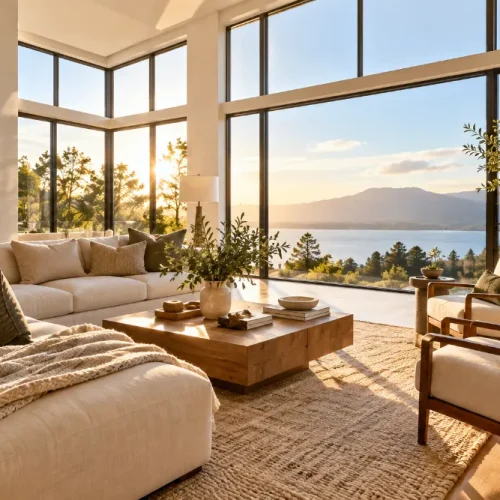
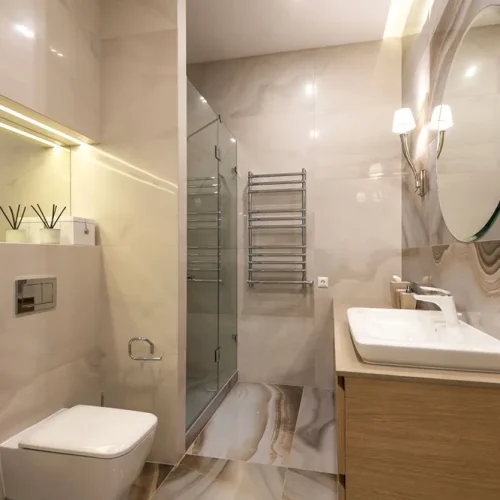
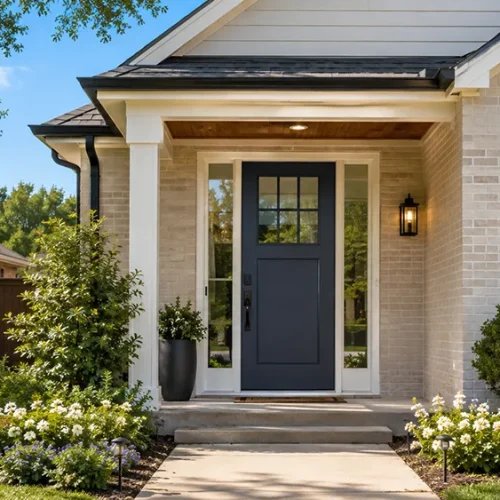
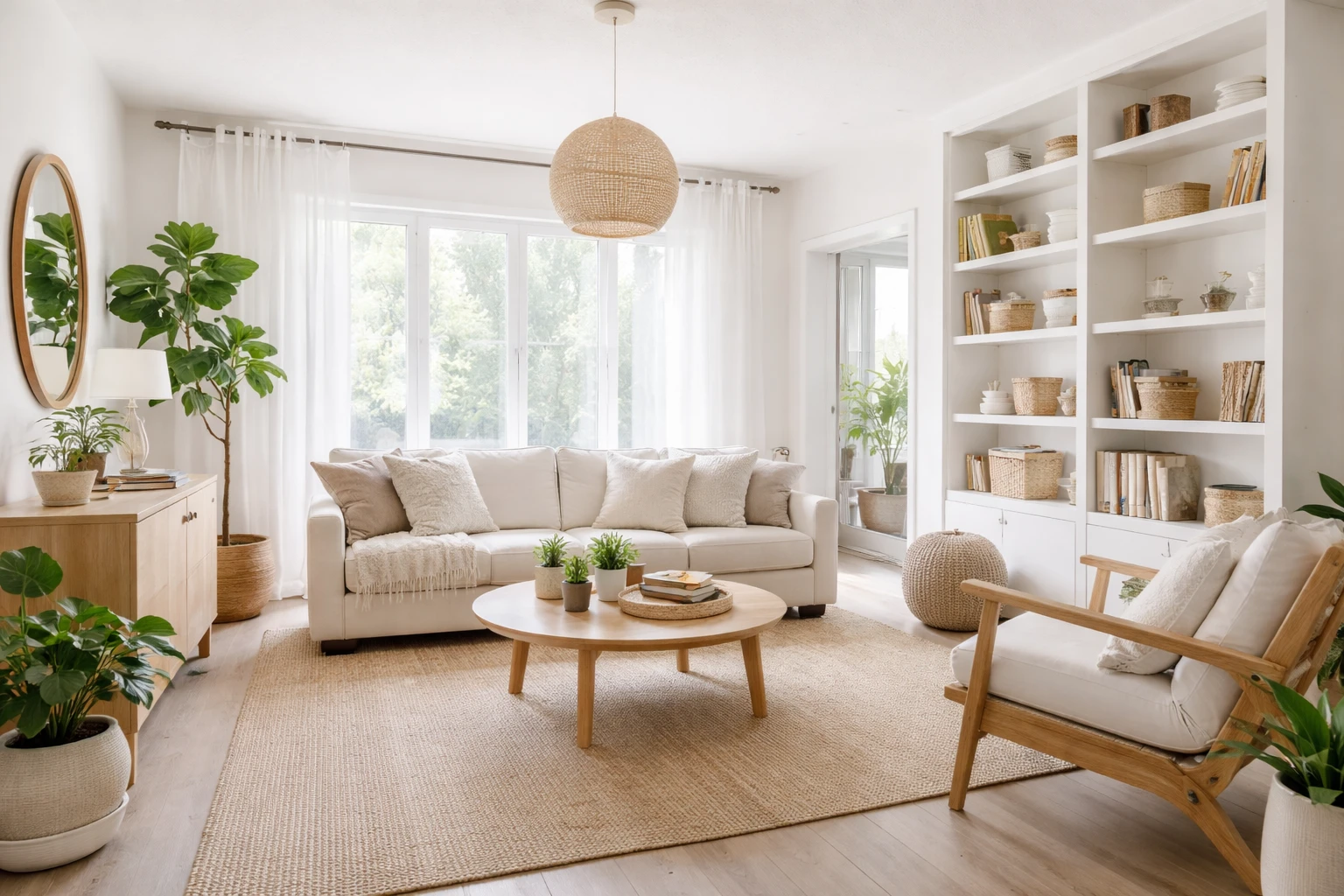
The colour palette can dramatically impact the way a room feels. Light colours, especially neutrals, make rooms appear brighter and more expansive. Dark shades tend to absorb light which can make rooms feel smaller and more enclosed, but when used strategically – such as on a statement wall or in furniture – they can have a grounding rather than a shrinking effect. If integrating bold colours, keep these as accents to avoid the room feeling like a confused cave of competing hues.
Monochromatic schemes blur wall-ceiling boundaries, again making rooms feel more spacious. Consider painting trim and ceilings the same shade as the walls and hanging matching curtains or blinds to remove visual breaks, using darker flooring for depth.
2. Maximising natural light
Any interior designer worth their salt will tell you that lighting is a make-or-break factor when decorating your home. Natural light instantly opens up a space for an airy and welcoming feel. Keep window treatments minimal, swapping heavy curtains for sheer options or Roman blinds which can be folded away when not in use. Placing a mirror opposite the window will boost the amount of natural light, with the mirror itself acting as another light source.
Make sure you have a layered lighting scheme for every room, so you can set the mood in seconds when it’s dark or gloomy outside. Balance task lighting like overhead lights, under-cupboard LED strips and desk lamps with options for ambience like wall sconces and corner lamps. Opting for warm bulbs will ensure rooms feel bigger and cosier. Avoid leaving gaps in your lighting scheme as shadows will make spaces feel cold and claustrophobic.
3. Choosing space-saving furniture
How hard is your furniture working for you? Traditional pieces like chests of drawers can be bulky with inflexible interiors, while modern alternatives are designed to take up less room while providing more flexibility with clever storage solutions.
Fitted furniture makes use of every crevice and can transform awkward areas in cupboards and shelves, while the seamless, uniform finish expands the room in the mind’s eye. Smaller bedrooms benefit from sliding wardrobes with mirrored doors and tailored interiors. Multifunctional pieces like ottoman beds and chairs with built-in storage let you get double the benefits in the same amount of space. In general, prioritise furniture in minimalist designs with clean lines, playing around with proportions and compositions that give the illusion of higher ceilings and wider floors. Avoid unnecessarily over-cluttering your space.
4. Using vertical space
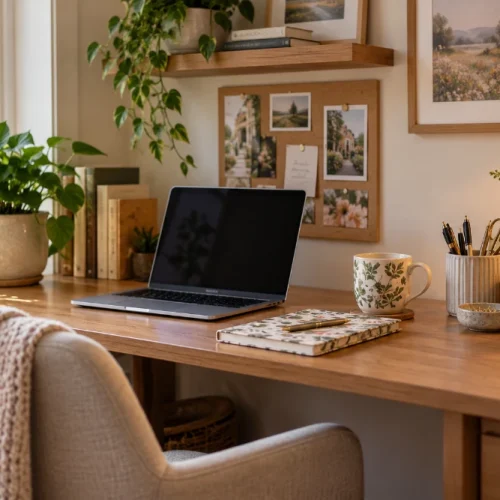
Vertical space is one of the most overlooked aspects of interior design. It’s untapped potential that can make your home feel much larger. Floor-to-ceiling pieces like bookshelves will visually elongate walls, while floating shelves and overbed units provide storage while leaving the floorspace beneath clear. Simply hanging artwork or mirrors higher on the walls draws the eye upward, highlighting the true extent of the space.
Hooks are a simple but functional way to make sure of wall space. Use them to keep bulky coats and dressing gowns off the floor, or to hang a bag for children’s soft toys on the inside of the wardrobe for effortless daily decluttering. They look especially effective under kitchen cabinets, acting as a modern mug tree to leave countertops clear.
FAQs
Light neutrals like white, cream, and soft grey reflect more light and make rooms feel open and airy.
Yes, when used as accents or on a single feature wall, dark shades can add depth without shrinking the room.
Natural light brightens walls and corners, reducing shadows and making the space feel larger and more welcoming.
Yes, mirrors reflect light and create visual depth, instantly expanding the feel of a room.
Sheer curtains or Roman blinds allow more light in and reduce visual bulk compared to heavy drapes.
Slim, minimalist, and multifunctional furniture reduces visual clutter and maximises usable floor space.
Fitted furniture uses every inch efficiently and creates a seamless look that makes rooms feel more spacious.
Layered lighting combines task and ambient light sources to eliminate shadows and prevent rooms from feeling cramped.
Floor-to-ceiling shelving and higher wall décor draw the eye upward, creating the illusion of taller ceilings.
Absolutely — reducing visual and physical clutter instantly makes any room feel more open and breathable.