A garage changes the moment it stops being a background space. Once it becomes a home gym, workshop, studio, hobby room, or overflow living area, the way it ages starts to resemble the rest of the house rather than a storage zone. People move through it daily, spend hours inside, modify it for comfort, and rely on it as part of normal life. This level of use introduces stresses the garage was never designed to handle on a consistent basis.
Unlike traditional living rooms or bedrooms, garages often begin this transition without the same insulation, finishes, or system support. As a result, wear shows up sooner and in different ways. Entry points work harder, floors absorb steady impact, walls handle repeated contact, and added equipment places ongoing demand on framing and electrical systems.
Daily Entry and Exit Accelerate Wear
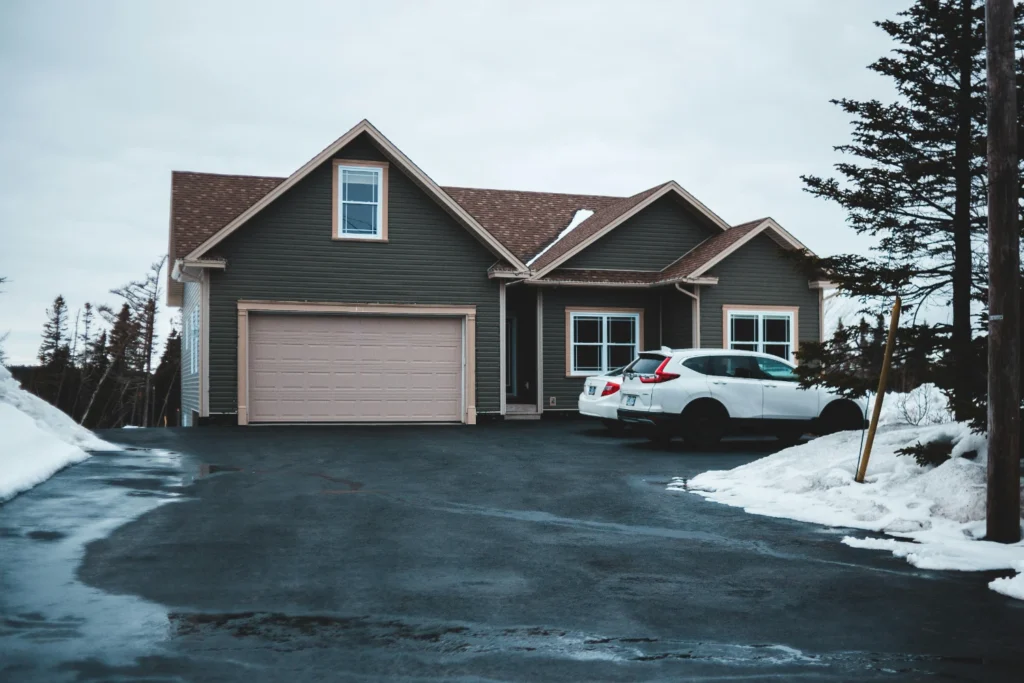
Once a garage becomes the main access point, the door stops being an occasional-use feature. It opens and closes multiple times a day for work commutes, workouts, hobby sessions, and storage access. Tracks, rollers, seals, and hinges experience constant movement rather than periodic cycling tied only to vehicle use.
In many homes, this level of activity brings garage door replacement into the picture sooner than anticipated. The issue is rarely age alone. Daily foot traffic, frequent partial openings, and repeated stress on seals and hardware create wear patterns that differ from those of a garage used only for parking. The door becomes part of daily living, and its components wear accordingly.
Floor Surfaces Face Continuous Foot Traffic
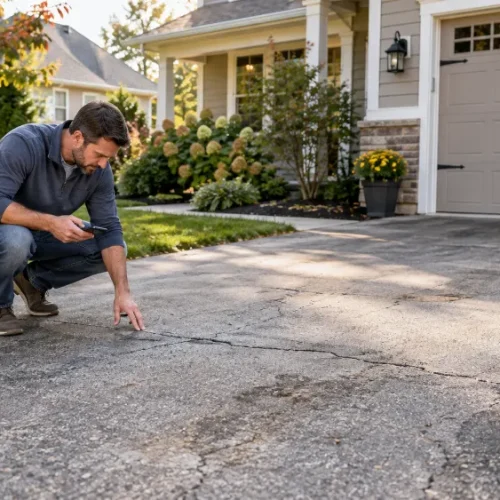
Garage floors were built to support vehicle weight for short periods, not steady human movement. Once the space becomes a gym, studio, or workshop, the floor absorbs walking, standing, dropped tools, rolling equipment, and vibration from machines. This kind of load is constant and spread across the surface rather than concentrated under tires.
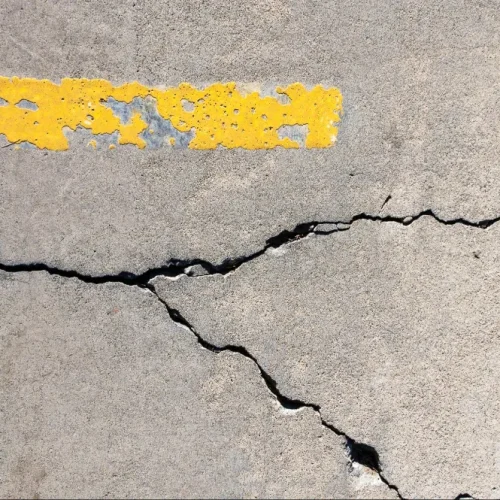
A home gym highlights this difference clearly. Repeated foot impact, shifting weights, and equipment movement wear coatings and concrete faster than parking ever would. In workshops, rolling carts and stools create similar effects. The floor begins showing scuffs, cracks, or surface breakdown because the usage pattern has completely changed.
Sound Containment Modifications
Garages used for music, recording, or loud hobbies often get modified to manage sound. Panels get mounted. Insulation is added. Walls and ceilings receive extra layers or coverings. Each modification introduces new attachment points that change how surfaces handle stress.
A musician adding acoustic panels may drill repeatedly into studs or drywall. A podcaster may mount foam, shelves, and lighting in quick succession. Such changes add localized stress that weakens surfaces faster than passive walls elsewhere in the home.
Wall Finishes Age Faster
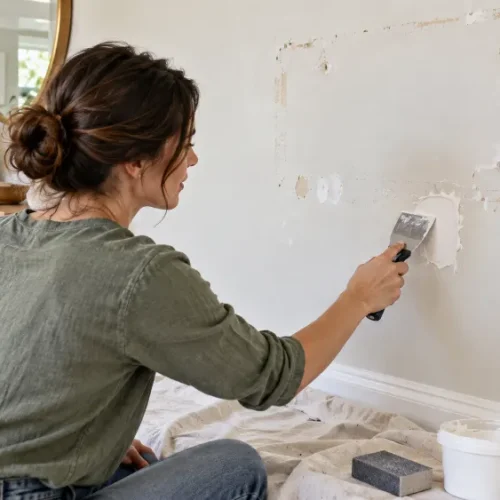
Once a garage becomes an active room, walls stop being passive boundaries. They get leaned against, brushed past, bumped by equipment, and exposed to repeated contact. Finishes wear quickly under this kind of use.
An art studio illustrates this well. Canvases, easels, ladders, and carts regularly touch the walls. Even careful use leads to scuffs and dents. In a fitness space, resistance bands, mats, and weights create similar wear. The walls age faster because they are part of the activity, not just the enclosure.
Electrical Systems Carry Higher Load
Garages converted into living spaces rely on electricity far more than they ever did before. Task lighting, power tools, exercise equipment, heaters, fans, and electronics often run for long stretches. Circuits that once supported a single opener and a few outlets now handle sustained demand throughout the day.
A garage used as a workshop makes this clear. Table saws, compressors, and charging stations pull consistent power, sometimes at the same time. In a studio or office setup, computers, monitors, and lighting stay active for hours. This level of use places steady stress on wiring, outlets, and breakers, which contributes to earlier aging compared to garages with minimal electrical activity.
Lighting Heat Contributes to Aging
Living garages rarely rely on one overhead bulb. Painters install color-accurate lights. Builders add bright task fixtures. Fitness spaces use multiple lights to cover large areas. All of that lighting produces heat that stays concentrated near ceilings and walls.
In a studio environment, surfaces above work areas may discolor or show surface breakdown sooner. Paint and drywall near fixtures deal with constant warmth that was never part of the original design. The garage ages from localized heat exposure that mirrors use patterns rather than weather alone.
Ventilation Limitations
Most garages were not built for sustained occupancy, which means ventilation often falls short once people spend hours inside. Heat, dust, fumes, and moisture stay trapped longer than they would in standard living areas. Without strong airflow, materials absorb what lingers in the air.
A hobby garage highlights this quickly. Wood dust settles into seams. Paint particles cling to surfaces. In workout spaces, moisture hangs in the air after sessions end. These conditions accelerate wear on walls, ceilings, and fixtures because the environment stays harsher for longer periods.
Interior Cleaning Frequency
Once a garage becomes part of daily life, cleaning becomes more frequent. Dust gets wiped down. Floors get swept or mopped. Walls get scrubbed where hands and equipment make contact. Cleaning helps maintain comfort, but it introduces abrasion and chemical exposure.
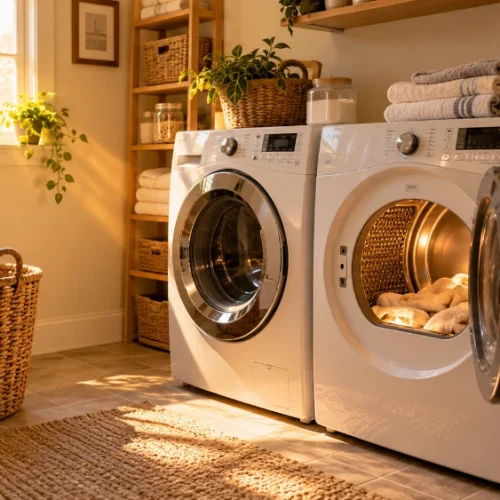
A gym garage offers a strong example. Floors get cleaned after workouts. Walls near equipment get wiped regularly. These habits wear finishes faster than occasional cleaning would. Aging happens through maintenance demands tied directly to active use.
Garages used as an extension living space age according to how they are used, not how they were originally built. Daily movement, sustained activity, added equipment, and repeated modification introduce wear patterns that appear earlier and progress differently than in traditional garages.
FAQs
Because they experience daily foot traffic, sustained occupancy, and continuous system use that standard garages were never designed to handle.
Yes. More activity means more cleaning, more electrical demand, and faster wear on floors, walls, and entry systems.
Frequent daily openings and closings often multiple times a day accelerate wear on tracks, rollers, seals, and hardware.
Not typically. Garage floors are designed for parked vehicles, not ongoing walking, workouts, rolling equipment, or dropped tools.
They can, especially when circuits handle long hours of lighting, tools, heaters, or electronics beyond their original load expectations.
Limited airflow traps moisture, dust, and heat, which can accelerate deterioration of finishes, fixtures, and structural materials.
Active use like workouts, workshops, or studio work means repeated contact with equipment, furniture, and people.
Yes. Multiple fixtures generate heat that can contribute to discoloration and surface breakdown over time.
It can. Repeated sweeping, mopping, and scrubbing gradually wear down coatings and finishes.
Not always, but increased loads from mounted equipment, shelving, or heavy tools can create localized stress if not properly supported.