Your home’s HVAC system works hard all year. It keeps the air cool in summer and warm in winter. Without it, daily life gets uncomfortable fast. Think about those hot days when your AC fails, or cold nights with no heat. These systems also affect your health and wallet. Poor air quality from dirty filters can worsen allergies. High energy bills come from inefficient parts.
Regular care beats waiting for breakdowns. Premier HVAC maintenance services focus on prevention. They spot issues early and keep your system running smooth. No more surprise repair costs. You save money and stay comfy.
The Cost of Neglect vs. The Value of Prevention
Skipping routine checks on your HVAC Company leads to big problems. Dirt builds up, parts wear out, and efficiency drops. One study shows neglected systems use up to 30% more energy. That means higher bills every month. Sudden failures hit at the worst times, like during a heatwave. Repair costs skyrocket then, often thousands of dollars.
Invest in premier HVAC maintenance plans instead. These services check everything thoroughly. You avoid major fixes and extend your system’s life by years. Homeowners with plans report fewer emergencies and lower overall costs. It’s like oil changes for your car—small steps prevent engine failure. Why risk discomfort when prevention pays off?
Comfort stays steady too. No more uneven temperatures or noisy fans. Your family breathes cleaner air. The value shows in peace of mind alone.
The Core Pillars of Premier HVAC Maintenance
Premier services go beyond quick fixes. They offer full checks and cleans. Technicians use tools to test every part. This deep approach keeps your system at peak performance. Basic tune-ups miss hidden issues. Premier plans catch them early.
You get reports on what they find. Plus, tips to improve your setup. It’s thorough care that boosts home value. Many plans include follow-ups if needed.
Comprehensive System Diagnostics and Inspection
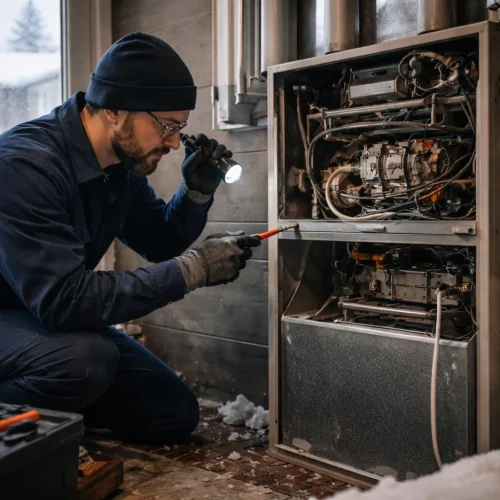
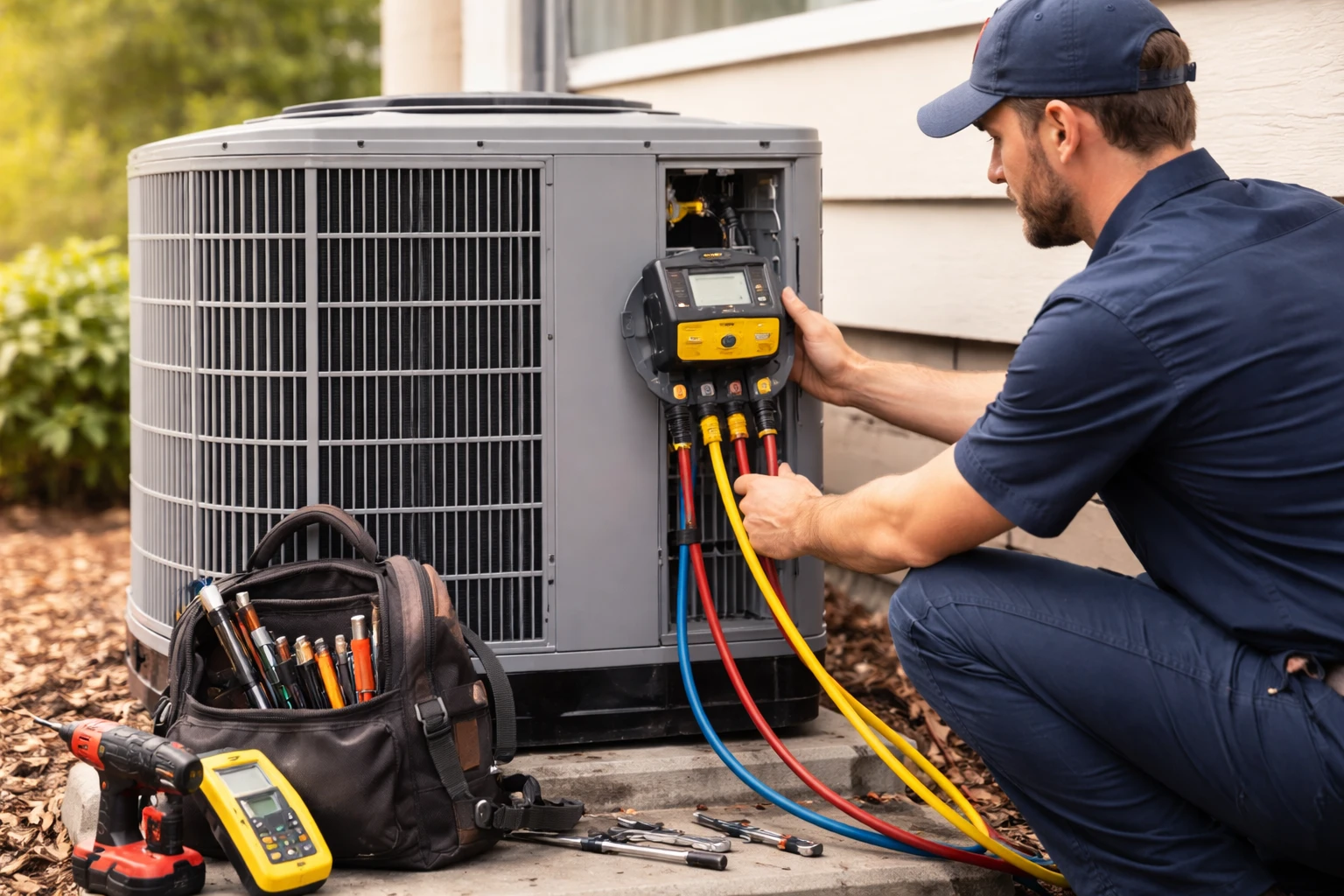
Techs start with a full walkthrough. They look at the whole unit, inside and out. This multi-point process covers belts, motors, and connections. They use gauges and cameras for accuracy.
Expect a 20- to 30-point checklist. It includes visual scans for wear. They note any odd noises or vibrations. This inspection prevents small problems from growing.
Homeowners often learn about weak spots. Like a loose belt that could snap soon. Early fixes save time and cash.
Electrical Component Testing and Safety Checks
Voltage levels get tested first. Techs check if power flows right. Low voltage strains the motor and shortens life.
Wiring comes next. They inspect for frays or corrosion. A bad wire sparks fires sometimes. Thermostats get calibrated too. Yours might read wrong, wasting energy.
Safety shut-offs are key. These stop the system if something’s off. All work meets local codes. You stay safe and compliant.
Refrigerant Level Verification and Leak Detection
Proper refrigerant keeps cooling strong. Too little reduces power. Techs measure levels with gauges. They add more if needed, but only the right amount.
Leaks hurt the environment. Old refrigerants damage the ozone. New ones follow EPA rules. Techs use detectors to find tiny escapes.
Fixing leaks early boosts efficiency. Your AC runs less, cuts bills. It’s smart for the planet too.
Airflow Analysis and Measurement
Static pressure tells how air moves. High pressure means blockages. Techs measure it across vents.
Blower speed gets checked. Slow fans mean poor flow. They balance return and supply air.
Ducts play a big role. Uneven flow causes hot spots. Adjustments fix that for even comfort.
Optimizing System Efficiency Through Deep Cleaning
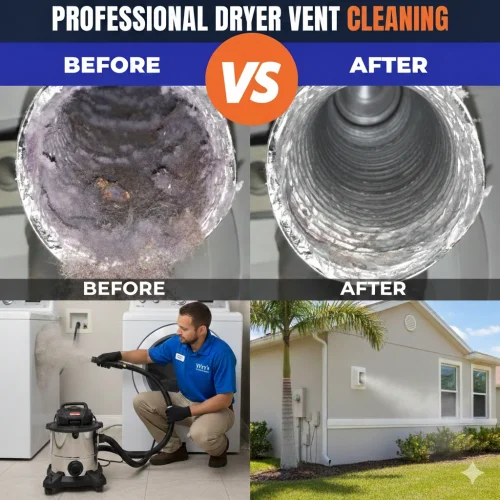
Dirt is the enemy of HVAC units. It clogs parts and raises energy use. Cleaning restores flow and cuts waste. Premier services use pro tools for this. You notice lower bills right away.
Better air quality follows. Less dust means healthier lungs. It’s a win for your whole home.
Evaporator and Condenser Coil Deep Cleaning
Coils transfer heat. Dirt acts like insulation. It blocks that, drops efficiency by 20-40%.
Techs use coils cleaners and brushes. They remove grime without damage. After, heat moves free again.
SEER ratings improve. That’s your system’s energy score. Higher means lower costs long-term.
Blower Wheel and Fan Assembly Restoration
Blower wheels spin to push air. Dust throws them off balance. Noise rises, flow falls.
Cleaning straightens them. Techs vacuum and wipe every blade. Balance returns, quiet operation follows.
Air volume jumps back up. Rooms cool or heat faster. You save on runtime.
Ductwork Integrity Assessment and Sealing Recommendations
Ducts carry air everywhere. Leaks waste 20% of it sometimes. Techs inspect for gaps or damage.
Insulation checks prevent energy loss. Mold signs get noted too. Contamination risks stay low.
They suggest seals or fixes. Not full cleans, but plans for them. Your air stays pure.
Proactive Filtration and Indoor Air Quality (IAQ) Management
HVAC does more than temp control. It filters air you breathe. Premier maintenance upgrades this. You fight dust, pollen, and germs better.
Allergies ease up. Pets shed less impact. IAQ ties to health, especially for kids.
Advanced Filter Replacement and Media Evaluation
Filters trap particles. MERV ratings show strength. Higher catches more, like 13 for allergies.
Techs pick the right one for you. Standard works for basics. Upgrade if you have pets or asthma.
Change every 3-6 months. Clogged ones strain the blower. Fresh ones keep air clean.
Condensate Drain Line Clearing and Algae Prevention
Drains carry water away. Clogs cause overflows and damage. Algae grows in wet lines.
Techs flush with solutions. It kills buildup and clears paths. No more leaks under units.
Prevention tablets stop regrowth. Air stays dry, no musty smells.
Humidification and Dehumidification System Calibration
Humidity affects comfort. Too dry cracks skin. Too wet breeds mold.
Techs check humidifiers for scale. They sanitize and adjust levels. Ideal is 30-50% RH.
Dehumidifiers get the same. Balanced air feels just right year-round.
The Business Advantage: Scheduling, Guarantees, and Support
Premier plans make life easy. You get fast help when needed. No long waits in busy seasons.
Financial perks add up. Discounts keep costs down. It’s reliable service you can count on.
Priority Scheduling and Emergency Response Times
Plan members book first. Standard calls wait days. You get same-day slots often.
Emergencies? Techs arrive in hours. Guarantees like 24-hour response build trust.
No stress over breakdowns. Help comes quick.
Discounted Parts, Labor Waivers, and Warranty Protection
Parts cost less, up to 15% off. No fees for diagnostics. Labor waves on some fixes.
Warranties extend too. Your new parts last longer covered.
Savings add up over years. Repairs stay affordable.
Annual Performance Reporting and System Life Cycle Planning
Reports show your system’s health. Efficiency scores and issue lists included.
They predict lifespan. Like when to plan a swap, around 15 years.
Future tips help budget. No surprises down the road.
Conclusion: Investing in Predictable Comfort
Premier HVAC maintenance services deliver real gains. Your system lasts longer with better efficiency. Energy bills drop, air quality rises. Peace of mind comes free.
Proactive care beats reactive fixes every time. You avoid costly downtime. Comfort stays steady through seasons.
Invest now for long-term wins. Contact a local pro today. Ask about plans tailored to you.
FAQs
They are comprehensive, preventive maintenance plans that focus on inspections, cleaning, testing, and optimization to keep HVAC systems efficient and reliable.
Most systems benefit from professional maintenance twice a year—once before the cooling season and once before the heating season.
Yes, well-maintained systems can use up to 30% less energy by reducing strain, improving airflow, and keeping components clean.
It usually includes full system diagnostics, electrical and safety checks, refrigerant verification, airflow testing, and deep cleaning of critical components.
Absolutely—routine maintenance can add several years to a system’s life by preventing excessive wear and catching problems early.
By cleaning coils, clearing drain lines, and replacing or upgrading filters, maintenance reduces dust, allergens, mold, and bacteria in the air.
Yes, because many efficiency losses and safety issues develop silently before causing noticeable breakdowns or costly repairs.
Low refrigerant reduces cooling performance, increases energy use, and can damage the compressor if left unaddressed.
Yes, premier plans often include priority scheduling and faster emergency response times during peak seasons.
They provide insight into system efficiency, identify developing issues, and help plan future repairs or replacements without surprises.