This post contains affiliate links. As an Amazon Associate, I earn from qualifying purchases, at no extra cost to you. See our disclosure policy.
Introduction
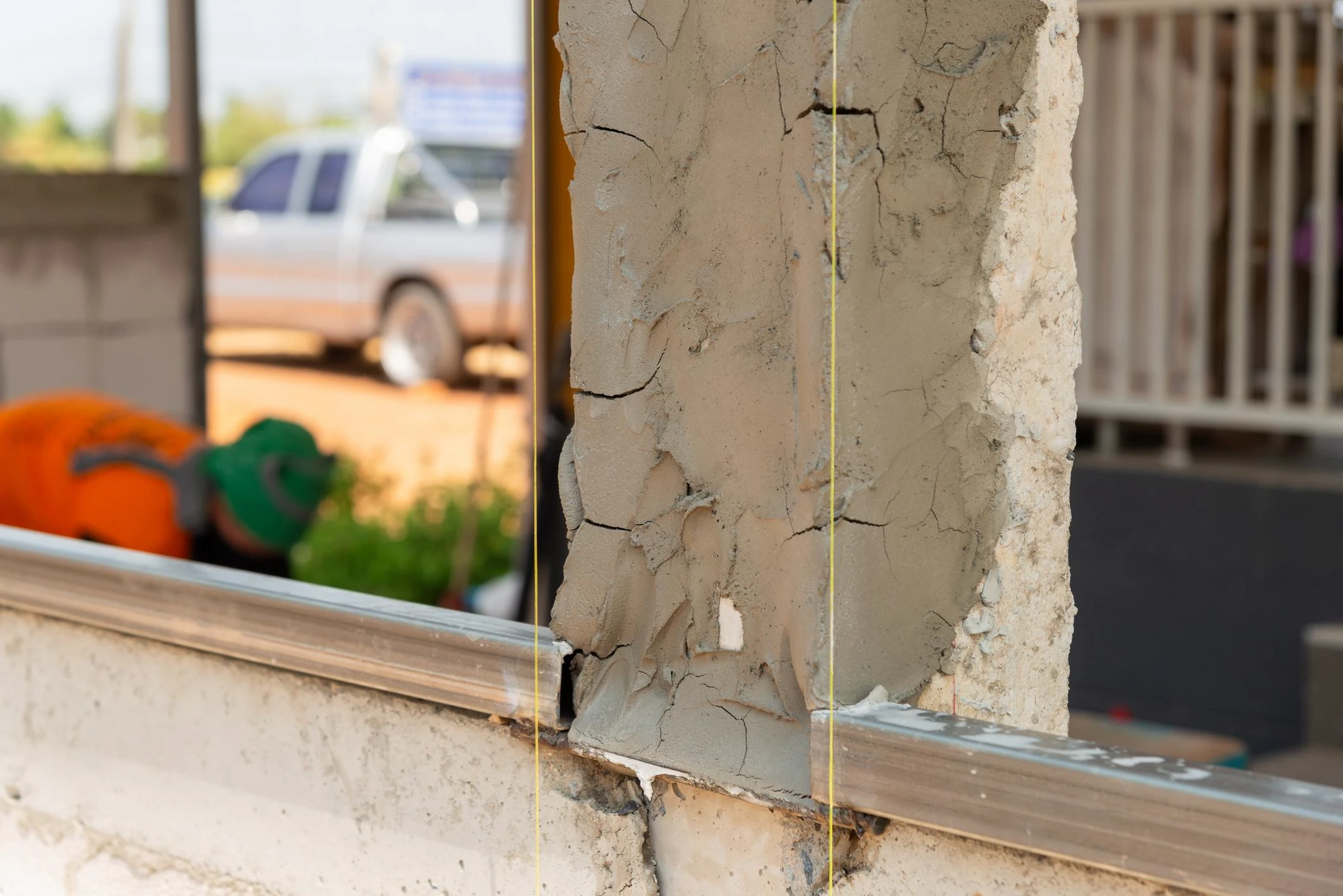
Your home stands strong because of one thing most people never see: the foundation. It carries the full weight of the house and keeps everything level and safe. Yet many homeowners forget about it until a problem appears, like cracks, uneven floors, and doors that won’t close properly.
That is why Charleston foundation repair experts strongly recommend regular foundation inspections. A small issue today can turn into a costly repair tomorrow. And in 2026, with changing weather patterns and aging homes, foundation problems are more common than ever.
The Correct Time for Inspections
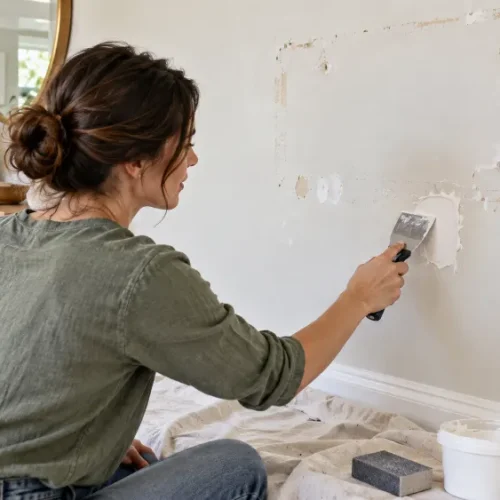
A foundation inspection is a detailed check of your home’s structural base. The goal is simple: Spot problems early, prevent damage later. During these inspections, professionals look for visible cracks, water damage, soil movement, and structural shifts, along with interior signs like sloping floors, wall cracks, and stuck windows.
So when should you get an inspection? Ideally, before buying a home. If your existing home is more than 10 years old, it’s also a great time to schedule an inspection; foundations age just like everything else.
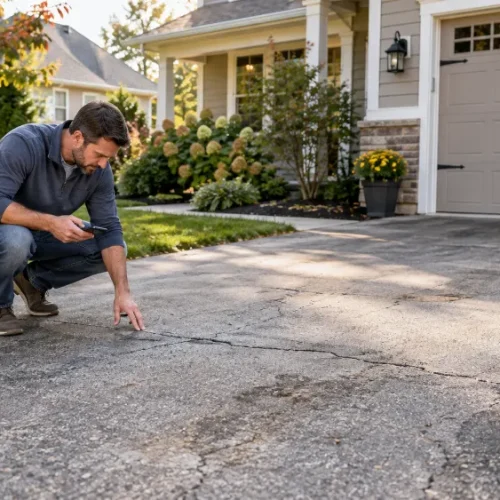
Also, if there’s been a major weather event recently, a foundation inspection can catch problems long before they progress. If you notice warning signs, do not wait. Cracks wider than a coin, gaps around doors, sagging floors—these are your home’s way of asking for help.
Common Types of Home Foundation
Not all homes are built the same. The foundation type depends on location, climate, and soil. By learning about your foundation, you gain a better understanding of the risks.
Slab Foundation
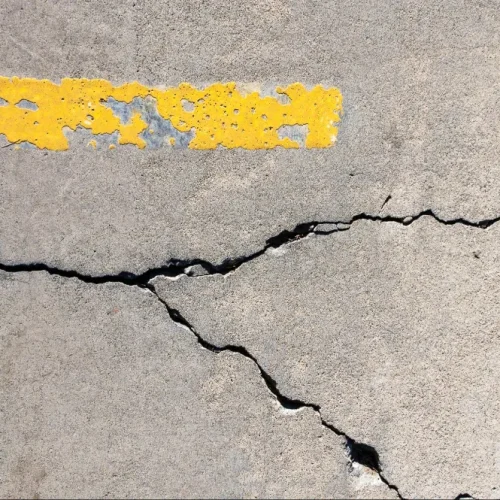
A slab foundation is a thick concrete layer poured directly onto the ground. These are common in warm climates and in newer homes because they’re cost-effective and quick to build. A slab foundation can crack due to soil movement and temperature changes; inspections focus on surface cracks, moisture intrusion, and uneven settlement. Small cracks in slab foundations are normal, but larger, widening cracks are not.
Crawl Space Foundation
Crawl space foundations lift the home slightly above ground, leaving a small space between the soil and the house. This design allows for easy plumbing and wiring and provides better ventilation than slabs. However, moisture can build up if not managed properly. During inspection, experts check for wood, rot, mold, and pest damage. A dry crawl space means a healthier home.
Basement Foundation
A basement foundation creates a useful space beneath the home. They provide storage and living space, but due to their design, they are at a higher risk of water damage. Without professional care, this can lead to cracks, leaks, and bowed walls. Inspectors closely examine the wall, leakage, and drainage systems to prevent flooding and costly structural repairs later.
Different Types of Foundation Inspection Methods in 2026
Foundation repair companies such as Lamunyon Dry Out & Foundation Repair have advanced inspection equipment that can detect even the tiniest issues. While visual inspections remain important, newer techniques can be more accurate. With ground-penetrating radar to detect shifts in soil and moisture meters to identify the earliest signs of water issues, their trained eyes can spot problems early.
Benefits of Choosing a Trusted Repair Partner
Choosing the right professional matters. Midway through your inspection, you may want to hire foundation repair experts, but not all services offer the same quality. A trusted partner brings experience and honesty, explains problems clearly, and most importantly, doesn’t push for unnecessary, expensive repairs.
Foundation repair should be about long-term solutions, not quick fixes. The ideal experts will provide detailed reports and learn everything they can about the local soil conditions and climate challenges. This way, you gain confidence in your home’s safety and protect your investment for years to come.
Preventive Measures to Protect the Foundation
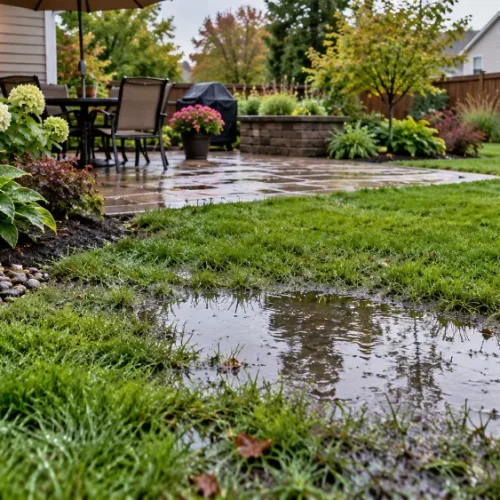
Prevention is always better than repair, and protecting your foundation does not have to be complex—it always starts with water control. Downspouts should direct water away from the house, the gutters should stay clean, and your home’s drainage system should prevent water pooling.
After drainage, check the moisture inside your house. You can control moisture inside with dehumidifiers in basements and crawl spaces. If you ever notice leaks in your pipes or changes in water pressure, don’t ignore them; even small drips can cause big damage over time.
Even something as simple as the trees around your home can affect the soil moisture. The roots disturb the area, collect water, and increase pressure on the foundation. This is why regular inspections are so important: they’re like a health checkup for your home, catching problems long before they affect your home.
The Benefits of Hiring a Foundation Repair Specialist
Your house foundation supports everything you love about your home. It keeps your loved ones safe at all times, so you should never ignore minor issues such as leaks and damage. Though they’re minor, they can lead to major problems in the future.
In 2026, foundation inspections aren’t just an option. They’re essential. With expert guidance and preventive care, homeowners can avoid major structural issues, whether they live in a new or older home. By learning about your foundation and what to watch for, you can keep your home in excellent shape for years to come. That’s what you get when you work with experienced foundation repair specialists.
FAQs
A foundation inspection is a professional evaluation of your home’s structural base to identify cracks, settlement, moisture issues, or early signs of damage.
Most homes should be inspected every 5–10 years, or sooner if the house is older, shows warning signs, or has experienced severe weather.
Cracks wider than a coin, uneven or sagging floors, sticking doors or windows, and gaps around walls or frames are common red flags.
Yes, small hairline cracks are common, especially in slab foundations, but widening or growing cracks should always be inspected.
Absolutely—an inspection before purchase can uncover hidden structural issues and help you avoid costly repairs after closing.
Yes, slab, crawl space, and basement foundations each have unique risks, so inspectors focus on different problem areas for each type.
Most inspections take one to two hours, depending on the size of the home and the type of foundation.
Heavy rain, drought, flooding, and soil shifts can all impact foundation stability, making post-weather inspections especially important.
In addition to visual checks, inspectors may use moisture meters, ground-penetrating radar, and advanced measuring tools to detect hidden issues.
Specialists have the training, experience, and equipment to identify problems early and recommend long-term solutions, not guesswork fixes.