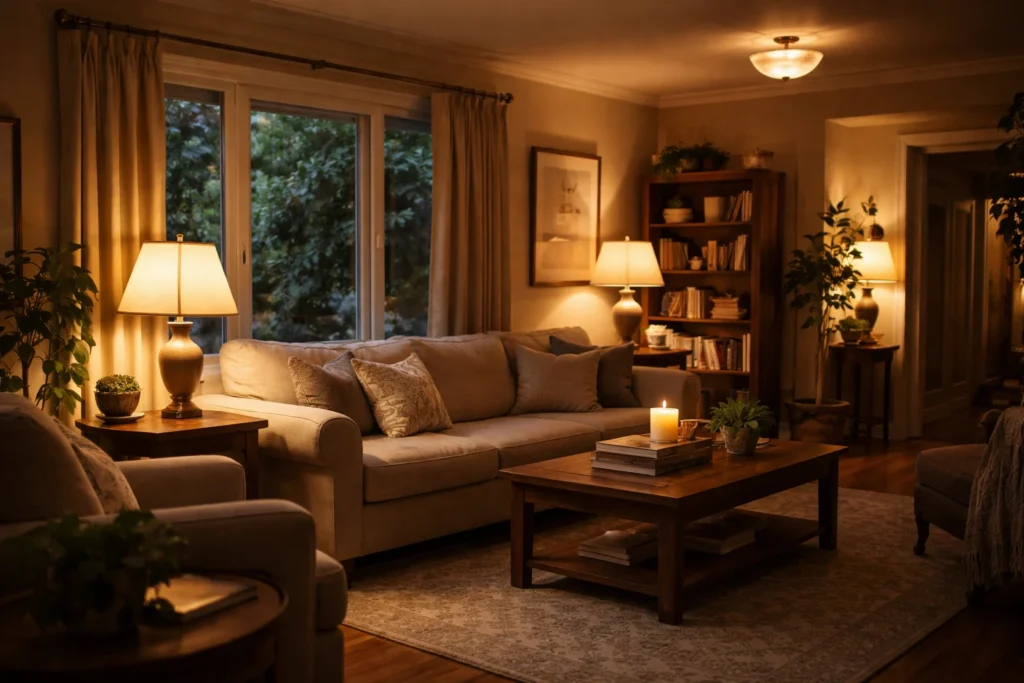
LED lights are everywhere. They dominate lighting aisles, renovation guides, and energy-efficiency conversations. For many homes, they make sense. They last a long time, sip electricity, and come in countless shapes and brightness levels. But LEDs are not the only option. And for some homeowners, they are not the best option.
Whether it’s discomfort with light quality, sensitivity to flicker, design preferences, or simply a desire for warmer, more natural illumination, many people are quietly exploring alternatives to LED lights for home lighting. The good news? Viable options still exist. Better yet, they can be used strategically without sacrificing comfort or style. This article takes a clear, practical look at those alternatives what they offer, where they fall short, and how to use them wisely in a modern home.
Why Homeowners Look Beyond LED Lighting
On paper, LEDs look unbeatable. In practice, lighting is personal.
Some people find LED light harsh, even when labeled “warm.” Others notice eye strain, headaches, or visual fatigue in LED-heavy environments. Designers often point out that LEDs can flatten textures, wash out materials, or feel sterile in traditional or cozy interiors. There’s also the reality that energy efficiency isn’t the only measure of good lighting. Comfort, color accuracy, mood, and how a space feels at night matter just as much.
That’s where alternatives come in.
What Makes a Good Alternative to LED Lighting?
Before diving into specific options, it helps to define what “good” actually means in a home lighting context.
A solid LED alternative usually excels in at least one of these areas:
- Natural-looking light with accurate color rendering
- Consistent brightness without flicker
- Comfortable warmth that supports relaxation
- Predictable dimming behavior
- Aesthetic compatibility with classic fixtures
Energy efficiency still matters, but it’s only one part of the equation. In living rooms, bedrooms, and dining areas, quality often beats efficiency.
Incandescent Lighting: Still the Gold Standard for Warmth
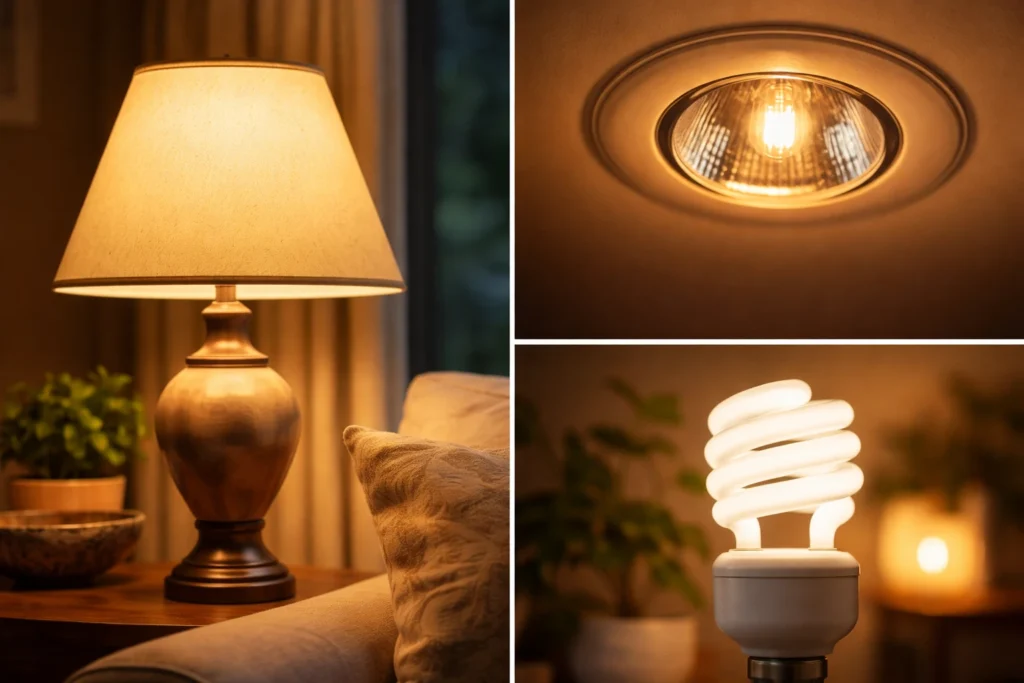
Incandescent bulbs are the original household light source. Simple technology. Predictable results. They produce light by heating a filament until it glows, which is why the light feels warm, continuous, and natural. Colors appear rich and accurate. Skin tones look better. Wood, textiles, and paint colors feel alive rather than clinical.
This natural light quality is well documented in lighting science and history, including the way incandescent bulbs emit a continuous spectrum of light rather than discrete wavelengths, as explained. The downsides are well known. Incandescent bulbs consume more energy, generate heat, and burn out faster than LEDs. But in rooms where lights are used intermittently bedrooms, accent lamps, reading nooks those drawbacks are less dramatic than people assume.
For homeowners prioritizing comfort and ambiance, incandescent lighting remains one of the most satisfying alternatives to LED lights for home lighting.
Halogen Lighting: A Sharper, Brighter Evolution
Halogen bulbs are a refined version of incandescent technology. They use a halogen gas cycle to burn hotter and brighter while maintaining excellent color accuracy. The result is a cleaner, whiter light without the artificial edge some LEDs produce. Halogens dim beautifully. They reach full brightness instantly. And they work exceptionally well in task-focused areas where clarity matters.
However, they also run hot. That means fixture compatibility and safety matter more. Energy use is still higher than LED, though slightly better than traditional incandescent bulbs. Halogen lighting shines in kitchens, bathrooms, reading areas, and display lighting places where detail matters more than mood.
Compact Fluorescent Lamps: A Compromise Option
Compact fluorescent lamps, or CFLs, were once promoted as the natural successor to incandescent bulbs. Today, they sit in an awkward middle ground. CFLs use significantly less energy than incandescent lighting and last longer. That’s the upside.
The downsides are more noticeable. CFLs often take time to warm up, which can be frustrating in living spaces. Light quality varies widely by brand. Some emit a dull or greenish tone that feels lifeless. Others flicker subtly, which sensitive users notice immediately.
There’s also the issue of mercury content, which complicates disposal and safety considerations. The U.S. Environmental Protection Agency outlines proper handling and disposal guidance for fluorescent lighting. CFLs can still make sense in secondary spaces hallways, storage rooms, or areas where lights stay on for long periods but they rarely shine as a primary living-space solution.
Fluorescent Tube Lighting in Residential Settings
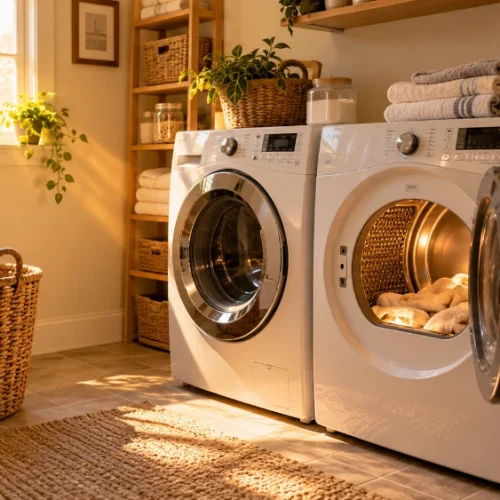
Fluorescent tube lighting is usually associated with offices, schools, and garages. Yet it still appears in homes, especially in utility spaces. Its biggest strength is efficiency across large areas. A single fixture can flood a room with even, shadow-free light. For workshops, laundry rooms, and garages, that’s useful.
The weaknesses are just as clear. The light can feel harsh. Buzzing and flicker remain common complaints. Even with modern ballasts, fluorescent tubes rarely create a comfortable atmosphere. Used intentionally, they’re functional. Used broadly, they’re overwhelming.
Natural Light: The Most Overlooked Alternative
The best alternative to LED lighting doesn’t come from a bulb at all.
Daylight.
Natural light supports circadian rhythms, improves mood, and enhances how interiors feel. Rooms with good daylight often require less artificial lighting overall, especially during daytime hours.
Design strategies that maximize natural light include:
- Larger or strategically placed windows
- Skylights or solar tubes
- Light-colored walls and reflective surfaces
- Open layouts that allow light to travel
Of course, natural light has limits. It changes throughout the day. It disappears at night. Seasonal variation matters. But as part of a broader lighting plan, it reduces reliance on artificial sources and improves overall comfort.
Mixing Lighting Types Instead of Choosing One
One mistake homeowners make is assuming they must commit to a single lighting technology.
They don’t.
Layered lighting works best when different sources serve different purposes. Ambient lighting sets the tone. Task lighting supports function. Accent lighting adds depth.
A home might use:
- Incandescent or halogen bulbs in living areas for warmth
- Fluorescent or CFL lighting in garages or utility rooms
- Natural light during the day
- Limited LED use only where efficiency truly matters
This balanced approach allows homeowners to enjoy the strengths of each option while minimizing drawbacks.
Lighting and Visual Comfort
Comfort is one of the most compelling reasons people seek alternatives to LED lights for home lighting. Some individuals are sensitive to flicker, even when it’s imperceptible to others. Some experience eye fatigue under certain LED spectrums. Others simply find LED light emotionally cold.
Traditional lighting sources emit continuous light rather than rapidly switching on and off. That consistency can feel easier on the eyes, especially during evening hours. Bedrooms, reading spaces, and relaxation areas benefit most from lighting that supports rest rather than stimulation.
Cost Considerations Beyond Energy Efficiency
LEDs win on long-term energy cost. That’s undeniable.
But cost isn’t just about electricity. It’s also about replacement frequency, fixture compatibility, and quality of life. Incandescent bulbs are cheap to buy. Halogen bulbs last longer than many people expect when used with dimmers. CFLs reduce energy costs but may introduce comfort trade-offs.
When lights are used sparingly or selectively, the cost difference between LED and non-LED options shrinks significantly. In other words, the “most efficient” option isn’t always the most economical for your lifestyle.
Environmental Impact Is More Nuanced Than It Seems
LEDs are marketed as environmentally superior, and in many ways they are. They consume less power. They reduce emissions over time. But manufacturing complexity, electronic waste, and disposal challenges complicate the picture. Non-LED lighting technologies are simpler, easier to recycle, and involve fewer rare materials. Environmental responsibility isn’t only about efficiency. Longevity, repairability, and responsible usage matter too.
Choosing Alternatives Room by Room
Not every space needs the same kind of light.
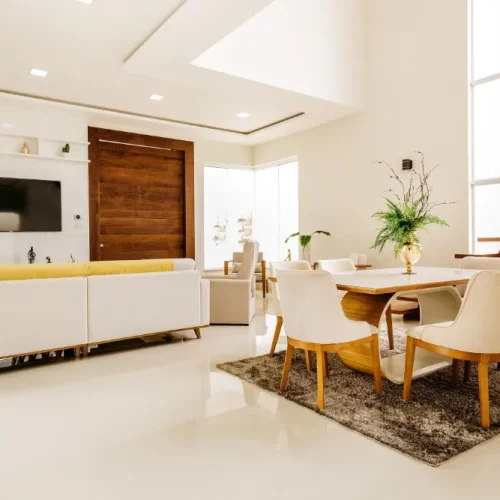
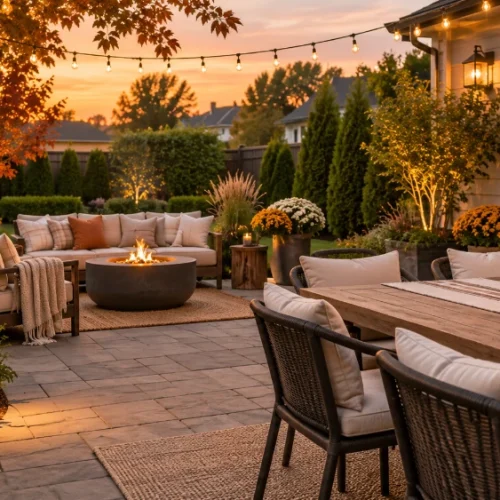
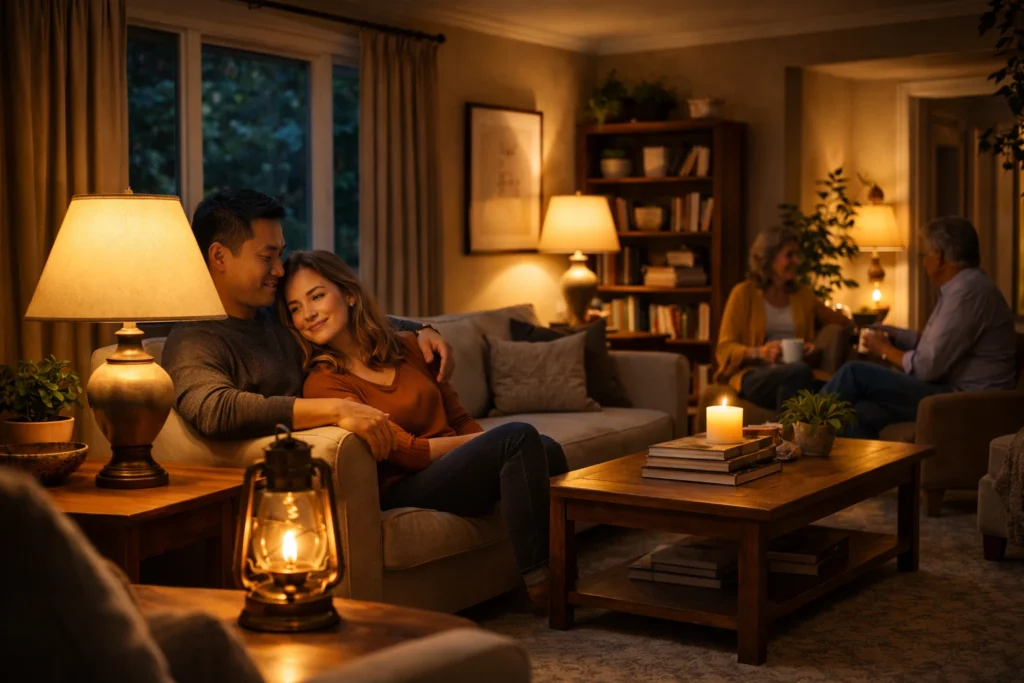
Living rooms benefit from warm, dimmable light that encourages relaxation. Bedrooms thrive under soft, low-intensity lighting. Dining areas feel more inviting with accurate color rendering and gentle warmth.
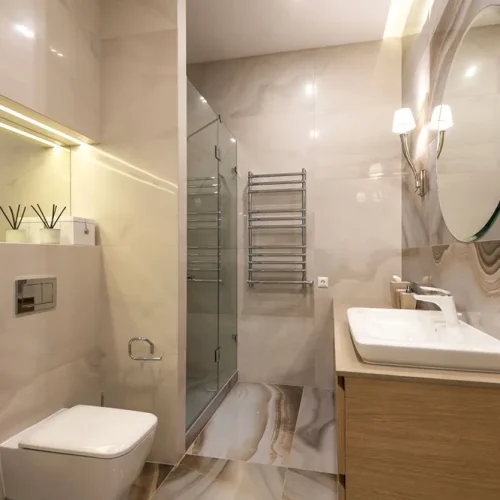
Kitchens and bathrooms need clarity and brightness. Garages and workshops prioritize coverage and visibility. Matching lighting type to room function is far more effective than applying a single solution everywhere.
Common Misunderstandings About Non-LED Lighting
Many people assume non-LED lighting is outdated, unsafe, or irresponsible. That’s not accurate.
Used thoughtfully, alternatives to LED lights for home lighting can enhance comfort, improve aesthetics, and still respect energy use. The key is intentionality, not blind adherence to trends. Lighting should serve the people living in a space not the marketing narrative around efficiency.
Finding the Right Balance
LED lighting isn’t the enemy. But it isn’t the only answer.
Homes are personal environments. The way light feels matters. The way it interacts with materials, people, and routines matters. Alternatives like incandescent, halogen, fluorescent, and natural light still have a legitimate place when used with purpose. The smartest lighting plans aren’t about choosing sides. They’re about balance. Choose what feels right. Use what works. And design lighting that supports how you actually live, not just how efficient your bulbs are supposed to be.
FAQs
Some homeowners find LED lighting uncomfortable due to glare, flicker sensitivity, or a light quality that feels too harsh or artificial.
Yes, incandescent bulbs are still available in many regions, though availability may vary due to energy regulations.
Incandescent and halogen bulbs are widely considered to produce the most natural and accurate light.
Halogen lights are safe when used in proper fixtures, but they operate at higher temperatures and require more caution.
They generally use more electricity, but in low-use areas the cost difference can be minimal.
They work best in utility areas like garages or laundry rooms, but are often too harsh for living spaces.
Yes, mixing lighting types room by room is a practical way to balance comfort, efficiency, and function.
Yes, maximizing daylight can significantly reduce reliance on artificial lighting during daytime hours.
Warm, dimmable lighting such as incandescent or halogen is often preferred for relaxation and sleep-friendly environments.
When used thoughtfully and selectively, non-LED lighting can still fit within an environmentally conscious home.