This post contains affiliate links. As an Amazon Associate, I earn from qualifying purchases, at no extra cost to you. See our disclosure policy.
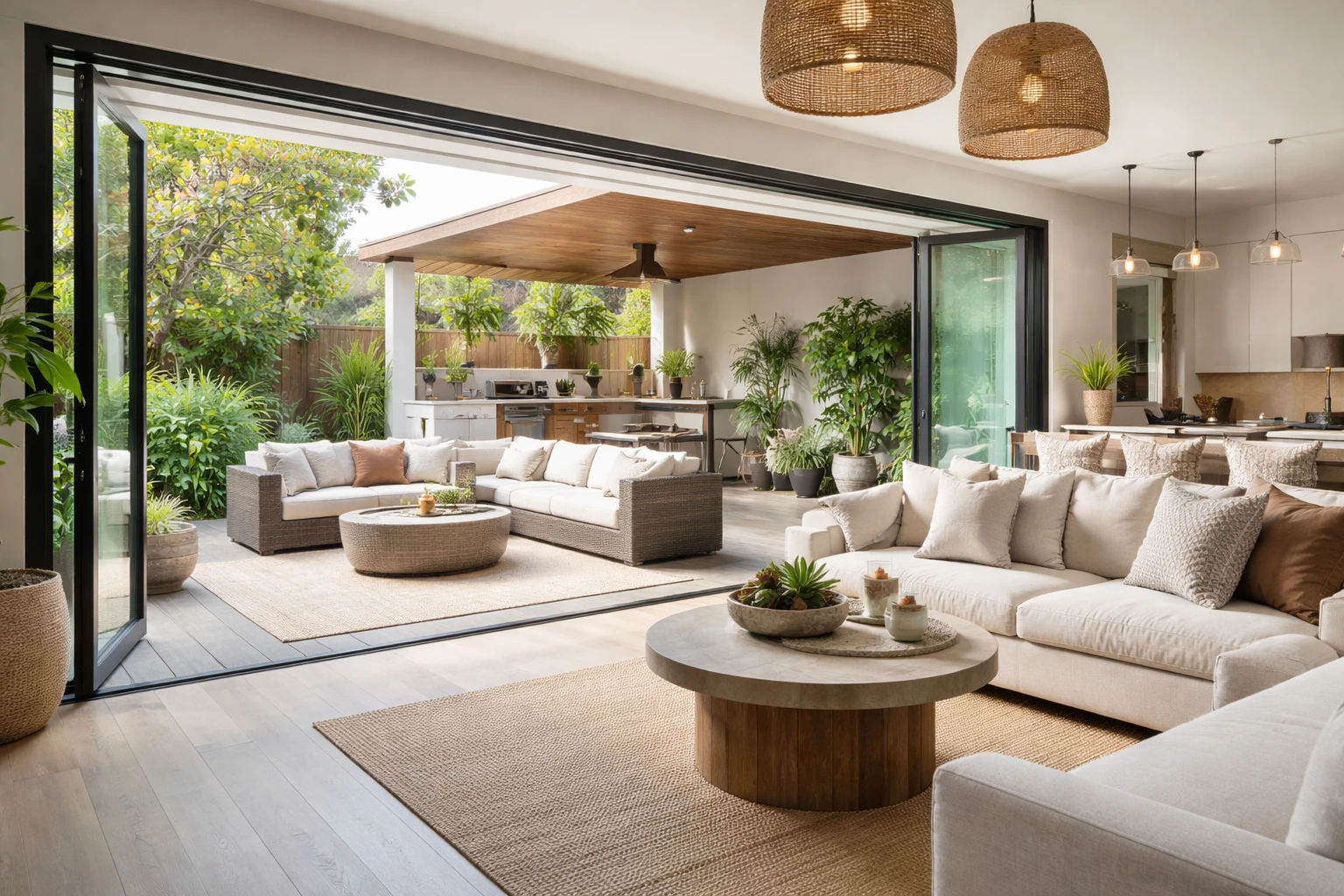
There’s something special about a home that feels open to nature. When you can move easily between your living room and backyard, your space feels bigger and more inviting. Indoor-outdoor living design makes this happen by blurring the lines between inside and outside.
This approach to home design isn’t just about looks. It changes how you use your home every day. You’ll entertain more easily, enjoy better natural light, and feel more connected to your surroundings. Whether you’re planning a renovation or just want to improve your current space, creating a natural flow between indoors and outdoors is more achievable than you might think.
Let’s explore how to make your indoor and outdoor spaces work together beautifully.
What Indoor-Outdoor Living Really Means
Indoor-outdoor living is all about removing barriers between your home’s interior and exterior. Instead of treating your backyard or patio as a separate space, you design it to feel like an extension of your indoor rooms. The goal is to create one large living area that happens to include both inside and outside zones.
This style works best when you can move between spaces without it feeling like a big shift. Imagine stepping from your kitchen onto a patio that feels just as comfortable and styled as the room you left. The temperature might change, but the design language stays consistent. That’s the heart of indoor-outdoor living.
People love this approach for good reasons. It makes your home feel more spacious without adding square footage. You get more versatility for entertaining since guests can spread out naturally. Plus, you bring in more natural light and fresh air, which improves your daily mood and health. Common ways to create this effect include sliding glass doors opening to patios, sunrooms that connect to gardens, or covered outdoor kitchens adjacent to indoor dining areas.
Design Elements That Create Natural Flow
The secret to making indoor-outdoor spaces feel connected is consistency. When you use similar design elements in both areas, your eye doesn’t notice where one space ends and another begins. This doesn’t mean everything needs to match perfectly, but certain elements should echo between spaces.
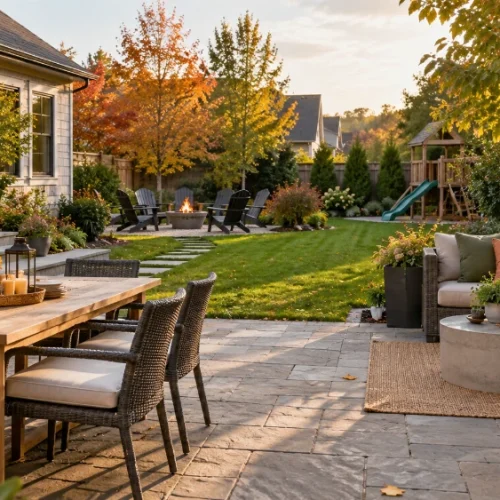
Start with your flooring. This is one of the most powerful ways to create visual flow. If you have hardwood floors inside, consider using similar-toned composite decking outside. Or use large-format tiles that work in both spaces. The key is choosing materials that look related even if they’re not identical. Stone tiles inside can connect beautifully with a stone patio outside, for example.
Your color palette matters too. Pick colors that work in both environments. Neutral tones often work best because they don’t fight with the natural greens and blues outside. If you love your sage green living room walls, bring that color into your outdoor cushions or planters. This repetition helps your brain see both spaces as one area.
Furniture scale and style should also relate between spaces. If your indoor furniture is modern and low-profile, choose outdoor pieces with similar lines. Mixing a traditional interior with ultra-modern outdoor furniture creates a jarring effect when you look from one space to the other. You don’t need identical pieces, just a similar feel.
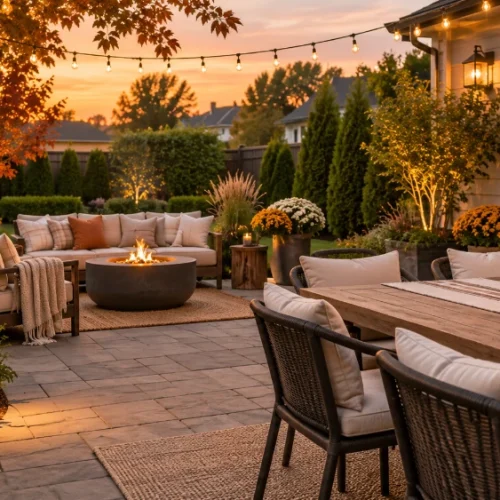
Lighting brings everything together, especially for evening use. Install matching or complementary light fixtures in both areas. String lights on a patio can echo pendant lights inside. Wall sconces can appear both indoors and on covered outdoor walls. When the lighting feels coordinated, the spaces feel more unified after dark.
Architectural Features That Connect Your Spaces
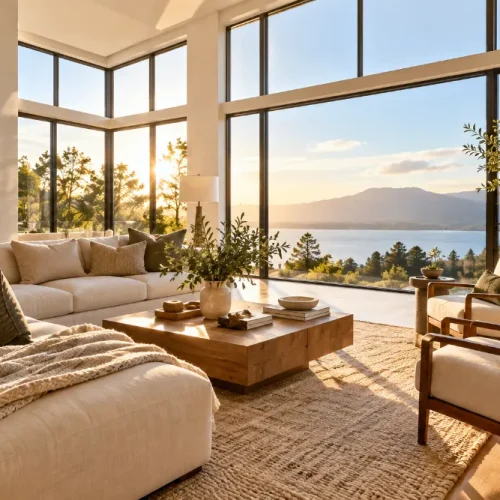
Your home’s structure plays a huge role in how well your indoor and outdoor areas connect. The right architectural features make moving between spaces feel natural and inviting. Large glass doors and windows are your best friends here.
Sliding glass doors have come a long way from the clunky versions of decades past. Modern options include oversized sliders that disappear into walls, creating a fully open connection between rooms. Folding glass doors (sometimes called accordion or bifold doors) can open an entire wall to the outdoors. French doors offer a more traditional look while still providing good sightlines and access. The bigger your glass openings, the better your spaces will connect visually, even when the doors are closed.
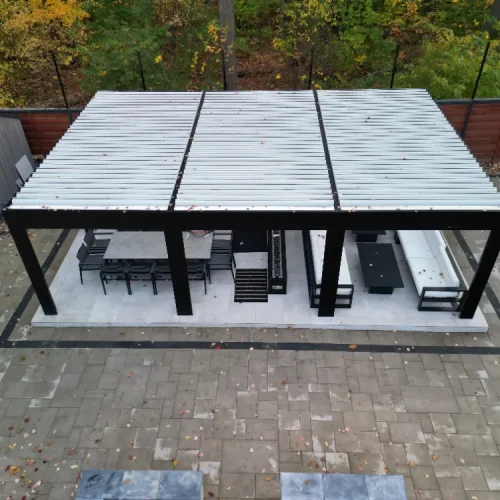
Covered outdoor areas extend your usable space significantly. A pergola provides some shade and defines an outdoor room without completely blocking the sky. Retractable awnings give you control over sun exposure. A covered patio or porch essentially becomes an outdoor room you can use in more weather conditions. These structures work best when they align with your home’s architecture and use similar materials or colors.
Think about which rooms connect to outdoor spaces. Putting your kitchen or dining room next to an outdoor eating area makes perfect sense. A master bedroom that opens to a private patio creates a peaceful retreat. Living rooms that connect to entertaining spaces get the most use. Consider how you actually live and plan your connections accordingly.
Don’t forget about weather protection. Even in great climates, wind, rain, and intense sun can make outdoor spaces unusable. Retractable screens are a popular choice for blocking bugs while maintaining views—if you’re in Florida, for instance, Orlando retractable screens provide a practical way to enjoy open-air living without the mosquito problem. Strategic landscaping can provide windbreaks. Outdoor curtains on a pergola offer shade and privacy. These practical features let you use your outdoor spaces more days of the year
Making Indoor-Outdoor Living Work for You
Creating this style doesn’t require a complete home renovation or an unlimited budget. You can start small and build over time. Understanding a few practical considerations helps you make smart choices.
Climate matters more than any other factor. If you live somewhere with year-round mild weather, you can create very open connections. In colder climates, you’ll want doors you can close tightly for winter while still enjoying the connection in warmer months. Consider your local weather patterns when choosing materials and features. Heat, cold, rain, and snow all affect what works best.
Maintenance is worth thinking about upfront. Outdoor materials need to withstand weather, which means they require different care than indoor items. Choose outdoor furniture with removable, washable cushions. Pick flooring materials that won’t stain or retain water. Plan for regular cleaning of glass doors and windows since they’ll show every fingerprint and raindrop. The easier your materials are to maintain, the more you’ll enjoy your space.
Budget-conscious approaches can still create great results. You don’t need expensive folding glass walls to make this work. Start by improving what you have. Paint your back door and trim to match your interior better. Add a few plants that bridge the color scheme. Replace old sliding doors with newer, larger versions as you’re able. Create an outdoor seating area with weather-resistant furniture that echoes your indoor style. Even small changes help your spaces feel more connected.
If you’re starting from scratch or planning a big project, work with professionals who understand this design style. Architects and designers experienced in indoor-outdoor living can help you avoid expensive mistakes. They’ll know which materials work best in your climate and how to handle technical details like proper drainage and weatherproofing. According to recent surveys of design professionals, coherent indoor-outdoor design remains one of the most requested features in home renovations, with experts noting that updated outdoor spaces have a significant impact on overall home value.
Your Path to Better Living Spaces
Creating indoor-outdoor living spaces that flow naturally changes how you experience your home. You gain more usable space, better light, and a stronger connection to nature. The key is thinking of your indoor and outdoor areas as one big space instead of separate zones.
Focus on consistency in your design elements, choose the right architectural features for your climate, and start with changes that fit your budget. Whether you install new glass doors or simply rearrange your furniture and add connecting colors, every step toward better flow improves your daily life. Your home should work with its surroundings, not against them, and creating that harmony is always worth the effort.
FAQs
Indoor-outdoor living design connects interior and exterior spaces so they function as one continuous living area rather than separate zones.
No, small updates like matching colors, improving door access, or adding coordinated furniture can significantly improve flow without a full remodel.
Sliding glass doors, folding glass doors, and French doors are popular because they maximize light and allow easy movement between spaces.
Using similar tones or materials indoors and outdoors helps create visual continuity and reduces the feeling of separation.
Yes, well-designed indoor-outdoor spaces are highly desirable and often boost perceived space and overall property value.
Living rooms, kitchens, dining areas, and primary bedrooms benefit the most because they’re used frequently and naturally extend to outdoor areas.
Climate is critical, as it determines materials, door types, and whether features like covers, screens, or heating are needed.
Coordinated lighting styles—such as matching sconces or complementary ambient lighting—help unify spaces, especially at night.
Adding covers, retractable screens, shade structures, and weather-resistant materials helps extend usability across seasons.
Treating the outdoor area as an afterthought instead of designing it with the same intention, comfort, and style as the interior.