Australia’s coastline stretches over 25,000 kilometres, presenting enormous opportunities and challenges for infrastructure development. Building, maintaining, and repairing structures in marine environments requires specialised equipment that most land-based contractors never encounter.
The Growing Demand for Marine Construction
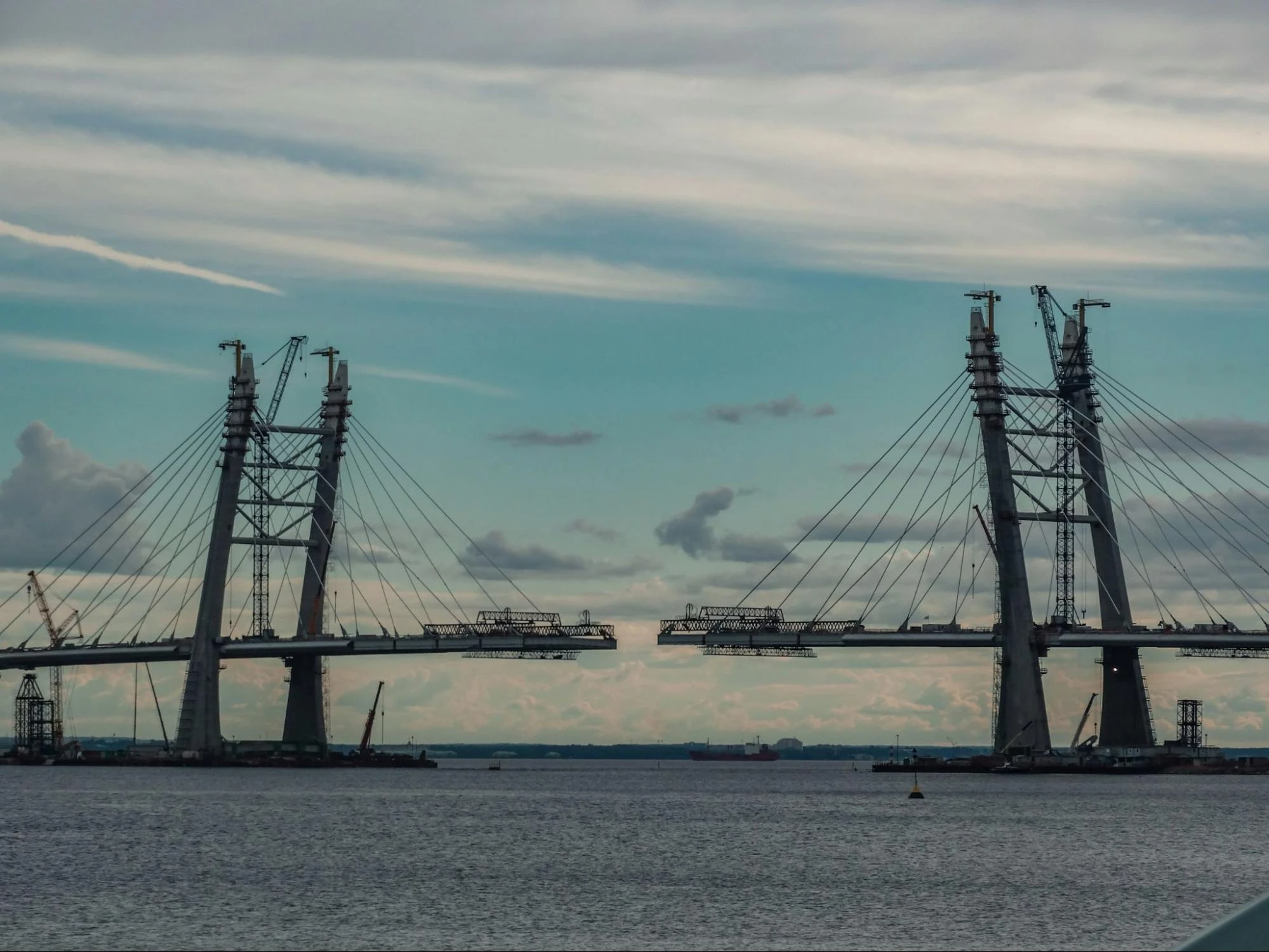
Coastal populations continue expanding across Queensland, New South Wales, and Victoria at unprecedented rates. This growth drives demand for new wharves, bridges, marinas, and waterfront developments.
Ageing infrastructure along Australia’s waterways requires constant attention and remediation. Bridges built decades ago need structural repairs that can only be performed from the water.
Port facilities handling increasing cargo volumes demand expansion and modernisation projects. These developments support economic growth while creating complex engineering challenges.
Climate change adds urgency to coastal infrastructure resilience planning. Rising sea levels and more intense storms require protective structures that withstand extreme conditions.
Understanding Marine Work Platforms
Construction projects over water require stable platforms capable of supporting workers, equipment, and materials. Unlike land-based projects, marine construction cannot simply drive heavy machinery to the work site.
Floating work platforms provide the foundation for virtually all waterside construction activities. These vessels range from simple flat-deck punts to sophisticated crane-equipped barges.
The choice of platform depends on project requirements, including load capacity, water depth, and available access. Shallow tidal areas demand vessels with minimal draft that won’t ground at low tide.
Offshore projects in exposed waters require larger, more stable platforms that handle wave action. Crew safety depends on selecting vessels appropriate for prevailing conditions.
Types of Vessels Used in Marine Construction
Flat-bottom work punts serve as versatile platforms for lighter construction tasks. Their shallow draft allows access to areas larger vessels cannot reach.
These smaller vessels typically measure between five and eight metres in length. Twin outboard motors provide manoeuvrability in tight spaces around existing structures.
Dumb barges offer larger deck areas for heavy equipment and material storage. The term “dumb” indicates these vessels lack self-propulsion and require towing.
Spud leg barges provide exceptional stability by driving steel poles into the seabed. This anchoring system creates a fixed platform unaffected by currents and tides.
Crane barges combine transport capability with heavy lifting capacity on a single vessel. Projects requiring pile driving or heavy equipment placement depend on these specialised platforms.
Supporting Underwater Construction Activities
Much marine construction work occurs beneath the water’s surface, where conditions challenge even experienced professionals. Divers performing underwater welding, cutting, and concreting need surface support.
Work vessels provide dive teams with equipment storage, air supply systems, and emergency response capability. A properly equipped support vessel can mean the difference between safe operations and dangerous situations.
Underwater non-destructive testing inspections assess structural integrity without damaging existing infrastructure. Inspectors need stable platforms positioned precisely adjacent to structures being examined.
Marine salvage operations recovering sunken vessels or debris require substantial lifting capacity. Salvage barges must handle unpredictable loads while maintaining stability in challenging conditions.
Bridge and Wharf Remediation Projects
Australia’s bridge infrastructure includes thousands of structures spanning waterways throughout the country. Many of these bridges have reached ages requiring significant structural intervention.
Concrete spalling exposes steel reinforcement to corrosive saltwater environments, accelerating deterioration. Remediation crews must access affected areas from below, working from floating platforms.
Steel piles supporting wharves and jetties suffer continuous attack from marine organisms and electrochemical corrosion. Cathodic protection systems and protective coatings extend service life but require periodic renewal.
Timber structures face unique challenges from marine borers that destroy wood from the inside out. Inspection and treatment programs depend on water access that only marine vessels provide.
Reservoir and Inland Waterway Maintenance
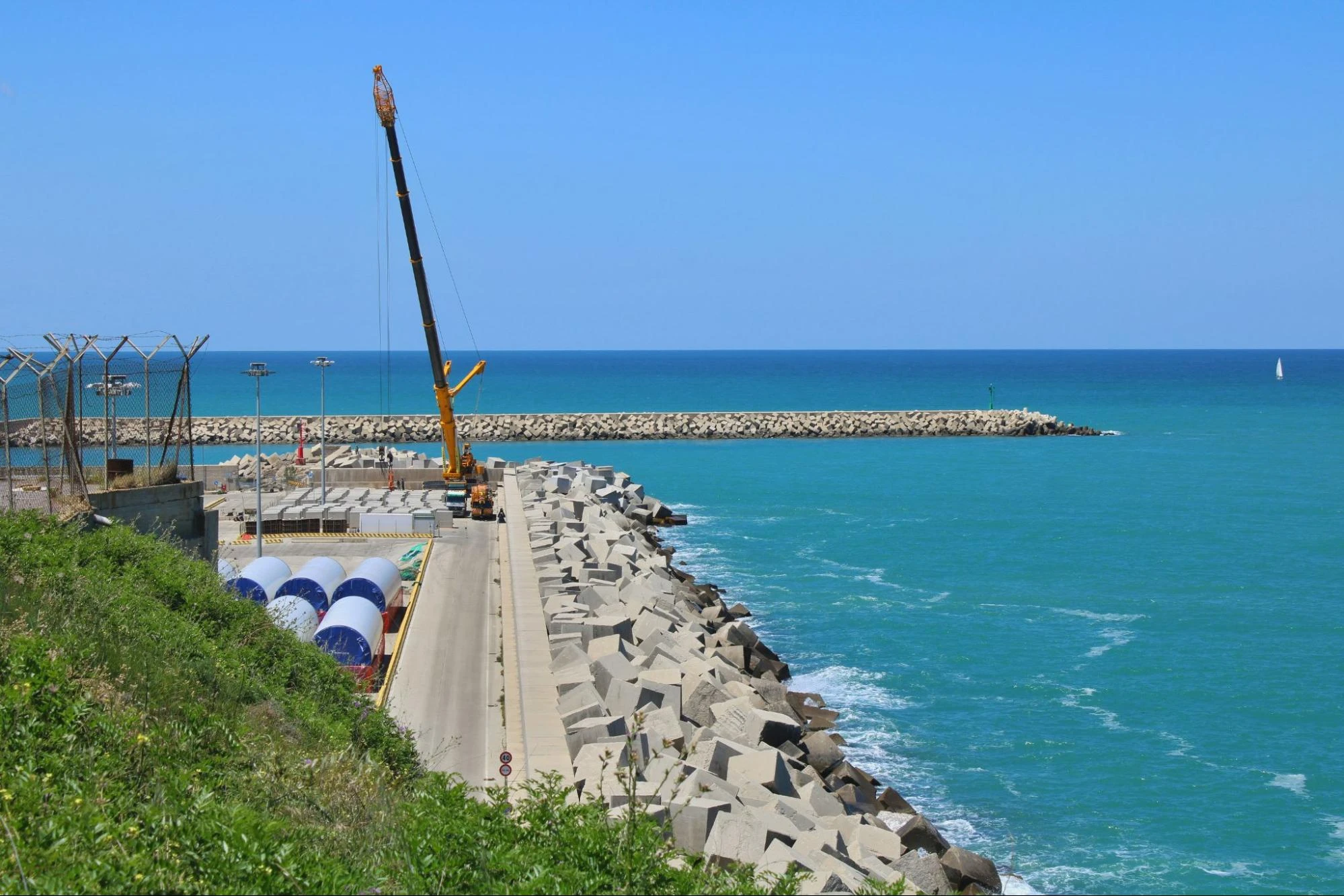
Marine construction extends beyond coastal environments to reservoirs, dams, and inland waterways. These freshwater assets require the same attention as saltwater infrastructure.
Reservoir maintenance ensures water supply systems continue delivering safe drinking water to communities. Sediment removal, valve maintenance, and structural inspections all require specialised access.
Dam safety programs mandate regular inspections of underwater components invisible from the surface. Divers supported by work vessels assess conditions and perform necessary repairs.
Pipeline crossings beneath rivers and lakes require periodic inspection and maintenance access. Contamination risks make these inspections critical for environmental protection.
Planning Marine Construction Projects
Successful marine projects begin with thorough planning that accounts for unique waterway challenges. Tidal variations affect work windows and access throughout each day.
Weather conditions change rapidly in marine environments with potentially dangerous consequences. Project schedules must accommodate weather delays without compromising completion deadlines.
Environmental permits govern activities in sensitive marine and coastal ecosystems. Approval processes can extend project timelines significantly if not initiated early.
Navigation requirements ensure construction activities don’t interfere with vessel traffic using waterways. Coordination with maritime authorities prevents conflicts and maintains safety.
Selecting the Right Equipment Partner
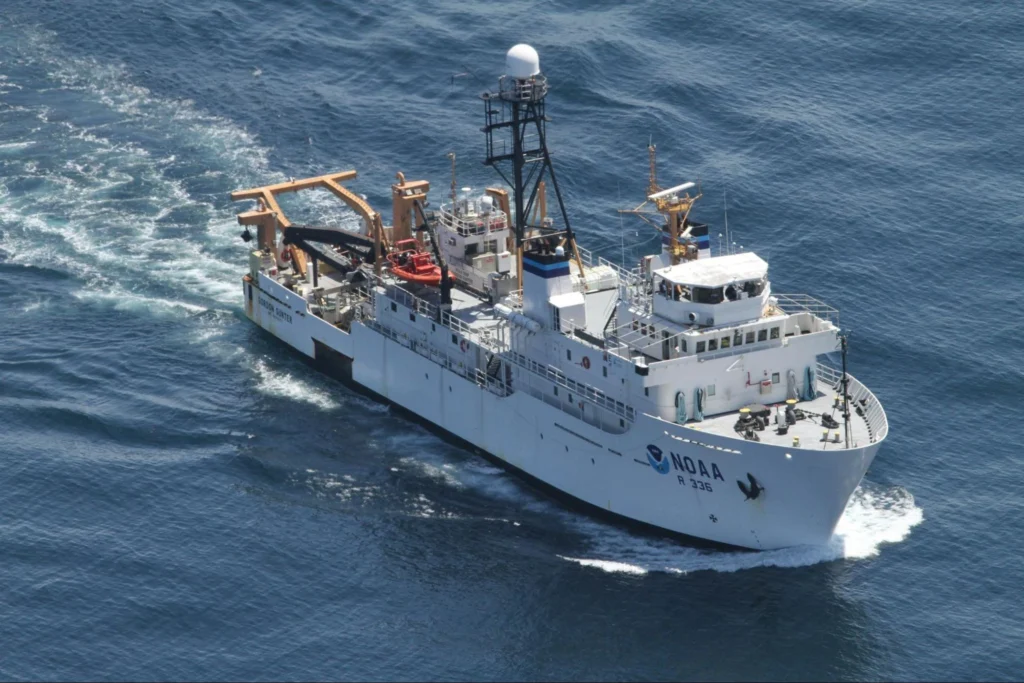
Marine construction success depends heavily on having appropriate vessels available when needed. Equipment breakdowns on water create far more serious problems than land-based failures.
Reliable partners maintain their fleets to high standards, ensuring equipment performs when required. Regular inspections and preventive maintenance prevent mid-project failures that delay schedules.
When seeking construction barge rental services, contractors should verify that vessels meet Australian safety standards. Proper certification and insurance protect all parties involved in marine operations.
Experienced marine equipment providers understand project requirements and recommend appropriate solutions.
Their knowledge helps contractors avoid costly mismatches between vessel capabilities and project demands.
Flexibility in rental arrangements accommodates both short-term projects and extended operations. Some projects require vessels for days, while others need dedicated equipment for months.
Safety Considerations in Marine Construction
Working on water introduces hazards absent from land-based construction environments. Drowning risks demand constant vigilance and appropriate safety equipment for all personnel.
Vessel stability affects everything from worker comfort to crane operation safety margins. Overloading or improper load distribution can capsize even substantial work platforms.
Weather monitoring systems provide advance warning of deteriorating conditions. Knowing when to suspend operations prevents accidents caused by working beyond safe limits.
Emergency response planning addresses scenarios including man overboard, vessel damage, and medical emergencies. Remote locations may be far from shore-based emergency services.
Communication systems maintain contact between vessels, dive teams, and shore-based management. Reliable communications enable rapid response when situations develop unexpectedly.
Environmental Responsibilities
Marine construction occurs in ecosystems supporting diverse plant and animal communities. Responsible contractors minimise impacts on these sensitive environments.
Sediment control prevents construction activities from degrading water quality downstream. Turbidity barriers and careful excavation techniques protect aquatic habitats.
Noise impacts from pile driving and other activities can affect marine mammals and fish. Timing restrictions and bubble curtains reduce acoustic disturbance to wildlife.
Spill prevention programs ensure fuels, lubricants, and hydraulic fluids don’t contaminate waterways. Properly maintained equipment and trained operators minimise accident risks.
Waste management prevents construction debris from entering marine environments. Everything brought to water-based work sites must be removed when work concludes.
The Future of Marine Construction
Technology continues to advance marine construction capabilities in remarkable ways. Remotely operated vehicles now perform inspections previously requiring human divers.
GPS positioning systems enable the precise placement of structures in locations invisible beneath the surface. Accuracy previously impossible now becomes routine with satellite guidance.
Improved materials extend infrastructure service life, reducing long-term maintenance requirements. Corrosion-resistant alloys and advanced coatings protect against harsh marine environments.
Prefabrication techniques minimise on-water construction time, reducing costs and environmental exposure. Components manufactured on land arrive ready for rapid installation.
Sustainable construction practices gain importance as environmental awareness increases throughout the industry. Future projects will face even stricter requirements for ecological protection.
Delivering Successful Marine Projects
Marine construction demands specialised knowledge, appropriate equipment, and experienced personnel working together effectively. Cutting corners in any area risks project failure.
Successful contractors build relationships with reliable equipment providers who understand marine operations. These partnerships ensure resources are available when projects demand them.
Investing in proper planning, quality equipment, and trained personnel delivers projects safely and profitably. Australia’s marine infrastructure depends on professionals committed to excellence in challenging environments.