Winter doesn’t give homes any grace. It strips away landscaping, shortens the day, and forces every showing into harsher light—or sometimes no natural light at all. That’s why what real estate agents notice first about a home in winter showings can be very different from what stands out in spring or summer. The cold season exposes comfort, maintenance, and honesty in ways warmer months simply don’t.
I’ve walked through enough winter showings to know this: agents form opinions fast. Faster than most sellers realize. In those first few minutes, while buyers are stomping snow off their boots and rubbing their hands together, agents are already reading the house. And they’re reading it closely.
Winter doesn’t forgive. But if you prepare correctly, it can absolutely work in your favor.
Winter Showings Change the Rules
Let’s start with the obvious. Winter showings operate under different conditions.
- Less daylight
- Bare trees and dormant lawns
- Cold air, snow, ice, and salt
- Buyers who are often more serious and less impulsive
This changes priorities. Agents aren’t swooning over tulips or backyard patios. They’re asking different questions. Is the home comfortable? Is it safe? Ant is it cared for?
When thinking about what real estate agents notice first about a home in winter showings, understand this: winter amplifies everything. Good or bad.
Curb Appeal Still Matters—Just Differently
Curb appeal doesn’t disappear in winter. It evolves.
Agents don’t expect lush landscaping in January. What they do expect is intention. Effort. Awareness.
In the first 30 seconds, agents notice:
- Is the driveway cleared?
- Are walkways shoveled and salted?
- Does the exterior look maintained, not abandoned?
Snow-covered lawns are neutral. Ice-covered steps are not.
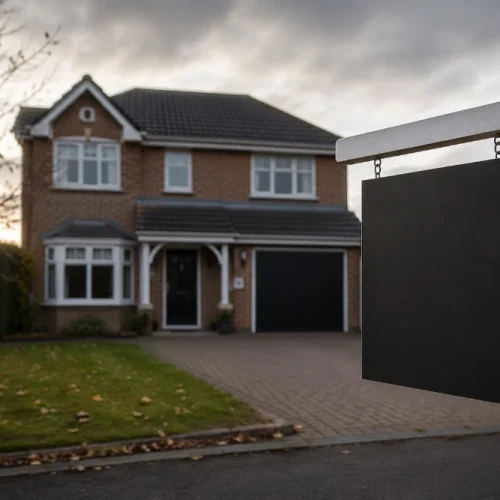
What real estate agents notice first about a home in winter showings often starts before the buyer even reaches the door. A slippery walkway sends the wrong message immediately. So does a dark, unlit entry when the sun sets at 4:30 p.m.
This is where temporary enhancements matter. For example, some sellers use tasteful seasonal lighting—or even hire a Christmas light hanging service in York—to add warmth and visibility without touching the structure of the home. It’s not about holiday cheer. It’s about presence.
Exterior Lighting Takes Center Stage
In summer, lighting is optional. In winter, it’s essential.
Agents notice exterior lighting almost immediately because it replaces what landscaping used to do. It frames the house. It guides the eye. And it signals care.
What works well:
- Warm-toned entry lights
- Pathway illumination
- Garage and driveway visibility
What doesn’t:
- Burnt-out bulbs
- Harsh, mismatched lighting
- Overly flashy displays that distract from the home itself
Lighting should make the home feel approachable, not theatrical. Agents can tell the difference instantly.
And yes, they will comment on it later.
The Front Door Tells a Story
That pause at the front door matters more in winter.
Buyers are cold. Agents are observant. The transition from outside to inside becomes a moment of judgment.
Agents notice:
- Is the door solid and well-maintained?
- Does cold air leak in around the frame?
- Is there a mat that actually handles snow and moisture?
Then comes the real test. The moment the door opens.
Is it warm? Comfortable? Neutral-smelling?
What real estate agents notice first about a home in winter showings often hinges on this single transition. If the house feels immediately welcoming, everything else is easier to sell.
Interior Lighting Becomes Non-Negotiable
Winter kills natural light. Agents know this. But they still expect homes to compensate intelligently.
The first thing many agents do when entering a room? Flip switches.
They’re checking:
- Coverage (are there dark corners?)
- Consistency (are bulb colors uniform?)
- Intention (is lighting layered or random?)
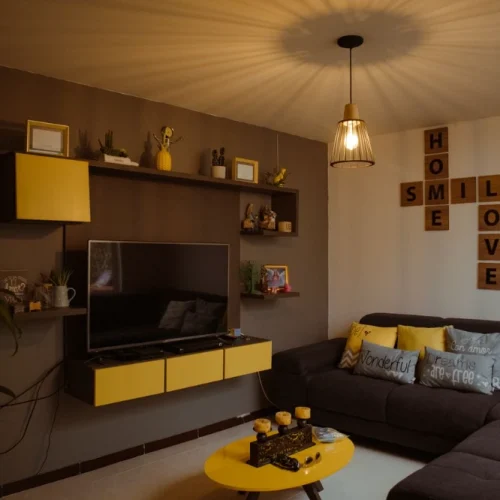
A well-lit room feels larger. Warmer. Cleaner.
A poorly lit room feels smaller than it is. And once that impression forms, it’s hard to reverse.
Helpful lighting strategies:
- Use warm bulbs in living spaces
- Add floor or table lamps where overhead lighting falls short
- Illuminate hallways and staircases fully
Lighting doesn’t need to be fancy. It needs to be deliberate.
Temperature Is Not a Detail—It’s a Signal
Agents notice temperature instantly. Everyone does.
Too cold? Buyers assume heating issues or high utility costs.
Too hot? They suspect you’re hiding drafts or inefficiencies.
The sweet spot is simple: comfortably warm without being stuffy.
Agents also watch for:
- Cold floors near windows
- Uneven temperatures between rooms
- Drafts near doors or vents
What real estate agents notice first about a home in winter showings often includes how evenly the house holds heat. That’s not cosmetic. That’s confidence.
Windows Reveal More in Winter Than Any Other Season
Summer hides a lot. Winter exposes it.
Agents look at windows differently during cold months. They’re checking for clues.
Things that raise eyebrows:
- Condensation between panes
- Frost buildup
- Heavy drafts near seating areas
Things that reassure:
- Proper window coverings
- Clean glass
- Consistent temperature near windows
Windows tell agents whether the home has been upgraded thoughtfully or neglected quietly.
Smell and Air Quality Matter More When Windows Are Closed
In winter, nothing escapes.
Agents notice smells immediately because they linger longer in sealed homes. Heating systems circulate odors, not fresh air.
Common red flags:
- Pet smells
- Mustiness
- Strong artificial fragrances
Neutral is best. Light is fine. Overpowering is suspicious.
A home that smells clean—not scented—feels trustworthy.
Floors and Entryways Get Extra Scrutiny
Winter is hard on floors. Agents know this.
They watch where wear shows up. Especially near entries, kitchens, and hallways.
What they notice:
- Water damage near doors
- Salt stains on flooring
- Worn transitions between rooms
Smart sellers use:
- Durable mats inside and out
- Area rugs that protect, not hide
- Clean, dry entry spaces
These details signal foresight. Agents respect that.
Cozy Wins—Clutter Loses
Winter staging isn’t about filling space. It’s about softening it.
Agents respond well to homes that feel warm without feeling crowded.
Effective winter touches:
- Throws on seating
- Textiles that add texture
- Defined focal points, like fireplaces or well-lit seating areas
What doesn’t work:
- Oversized furniture
- Too many seasonal decorations
- Blocking light sources with decor
What real estate agents notice first about a home in winter showings often includes how well the home balances comfort and openness.
Maintenance Issues Are Louder in Cold Weather
Winter makes small problems feel bigger.
Agents notice:
- Ceiling stains from ice dams
- Humidity issues
- Utility areas that look neglected
They’re not just evaluating aesthetics. They’re predicting buyer objections.
Deferred maintenance stands out when conditions are tough. Addressing it before showings shows responsibility.
Questions Winter Buyers Ask First
Agents know winter buyers are serious. Their questions reflect that.
Common buyer concerns:
- Heating costs
- Snow removal responsibility
- Energy efficiency
When a home answers these questions visually—through condition, warmth, and upkeep—agents spend less time managing doubt.
Small, Temporary Enhancements Go a Long Way
Winter isn’t the time for major renovations. It is the time for smart adjustments.
High-impact, low-risk improvements:
- Lighting upgrades
- Entryway improvements
- Seasonal exterior warmth cues
Agents appreciate solutions that don’t introduce uncertainty.
Common Winter Showing Mistakes Sellers Make
These come up constantly:
- Under-lighting rooms
- Ignoring the exterior because “it’s winter”
- Overheating the home
- Waiting for spring instead of preparing for now
Winter buyers don’t want excuses. They want readiness.
Why Winter Can Actually Work in Your Favor
Here’s the truth. Winter doesn’t hide anything.
That’s exactly why it works.
A home that shows well in winter builds trust fast. Agents notice. Buyers feel it. Negotiations become smoother because fewer doubts exist.
What real estate agents notice first about a home in winter showings ultimately comes down to one thing: care.
Care shows up in warmth. In light. In preparation.
And when it’s obvious, winter stops being a liability—and starts becoming proof.
FAQs
Winter removes visual distractions like landscaping and daylight, forcing buyers and agents to focus on comfort, maintenance, and condition.
They notice safety, lighting, and overall exterior care before even stepping inside the home.
It’s extremely important, as lighting replaces landscaping and sets the tone for warmth, visibility, and care.
Yes, a home that feels too cold or too hot raises immediate concerns about heating efficiency and comfort.
Layered lighting is crucial because it affects room size perception, mood, and overall livability.
Minimal, tasteful seasonal accents can enhance warmth, but excessive décor can feel cluttered and overwhelming.
Drafts, condensation, and poor insulation are easier to detect and often raise energy-efficiency concerns.
Closed windows and heating systems trap odors, making air quality more noticeable to buyers and agents.
Not necessarily—homes that show well in winter often signal strong maintenance and move-in readiness.
Improving lighting and entryway comfort offers a noticeable boost without major renovation costs.