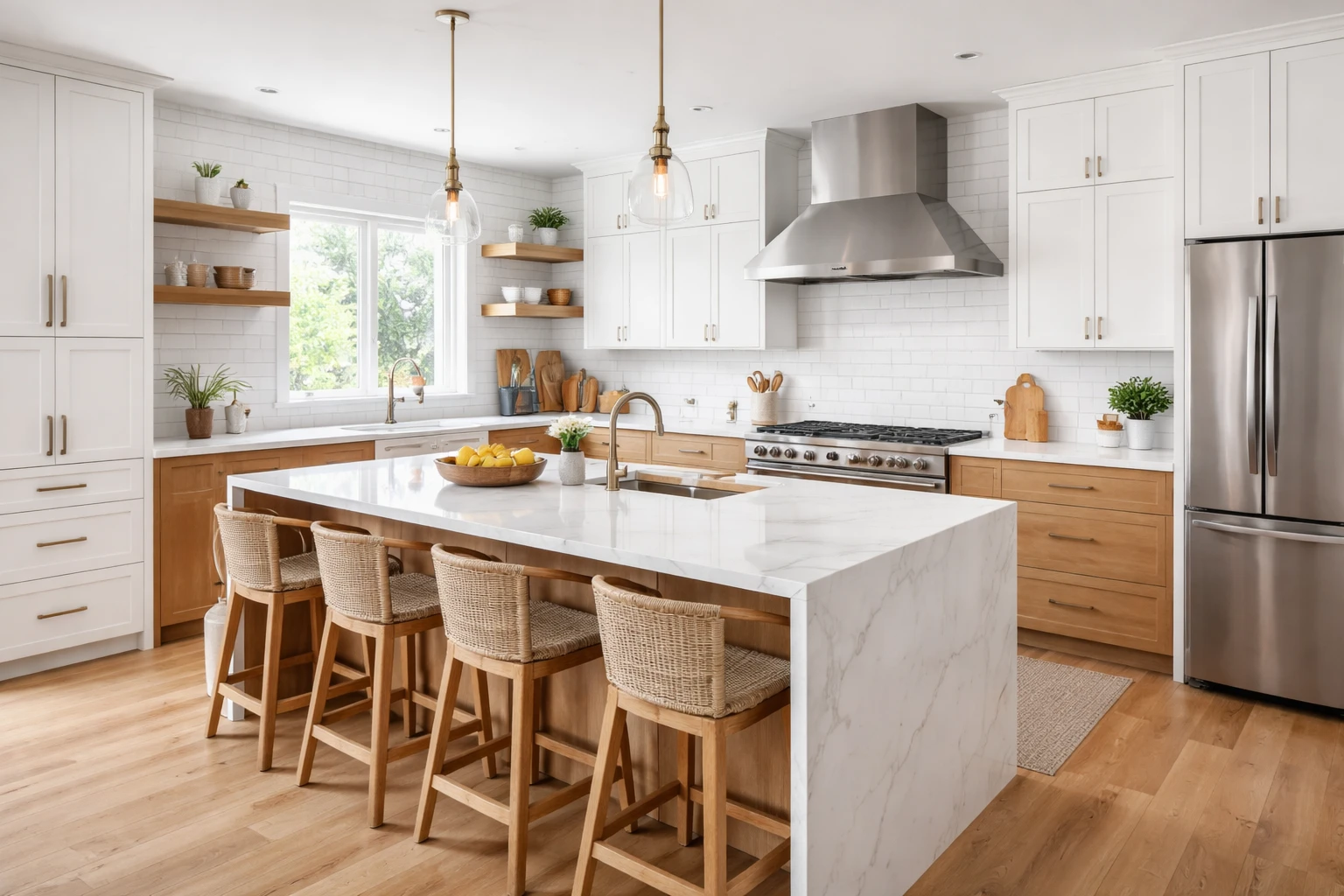
Your kitchen is more than a space where meals happen; it’s the heart of your home, a hub for gatherings, daily routines, and memories in the making. Whether you’re dreaming of a modern refresh or a complete transformation, kitchen remodeling can feel overwhelming. But with thoughtful planning and the right insights, you can design a space that’s both beautiful and built for real life.
1. Plan With Purpose, Start With Your Daily Flow
Before choosing cabinets, counters, or colors, think about how you use your kitchen. Are you an entertainer, a weekday breakfast warrior, or someone who loves to cook elaborate meals? Do kids do homework on the island while dinner cooks?
Homeowners researching Portland Kitchen Remodeling often discover that workflow matters just as much as aesthetics. A well-planned layout improves efficiency, reduces clutter, and makes the kitchen feel intuitive to use every day. Starting with daily habits helps ensure the remodel supports real-life routines rather than just visual appeal.
2. Balance Style With Longevity
Trends come and go, but kitchens are long-term investments. Choosing materials that can withstand moisture, wear, and busy family life is essential. Quartz countertops and soft-close cabinets remain popular because they balance modern style with durability.
In regions with changing seasons and higher humidity, material selection becomes even more important. Flooring, cabinetry finishes, and ventilation choices should be designed to age well while maintaining a timeless look that won’t feel dated in a few years.
3. Light, Space, and Sight Lines
Natural light and open sight lines can make kitchens feel larger and more welcoming. If possible, consider adding windows or repositioning islands to improve flow and brightness. Even smaller upgrades, such as under-cabinet lighting or lighter backsplash materials, can dramatically improve functionality and atmosphere.
4. Avoid Hidden Pitfalls
Many homes have quirks that don’t become obvious until renovation begins. Electrical placement, plumbing access, and load-bearing walls can all impact your project timeline and budget. Consulting early with professionals who understand local building codes and common home layouts can help reduce surprises and delays.
5. Why Local Experience Still Matters
Design choices are often influenced by regional architecture, climate, and lifestyle. Kitchens that work well in one area may need adjustments elsewhere, especially when it comes to ventilation, materials, and layout. Remodeling with local insight helps ensure the finished space is both practical and visually cohesive with the home.
6. Remodel With Confidence
A kitchen remodel doesn’t have to feel daunting. When approached with clear priorities, smart planning, and an emphasis on quality, the result can be a space that enhances everyday living and adds long-term value to your home.
FAQs
Most kitchen remodels take 6–10 weeks once construction begins, depending on scope, material availability, and structural changes.
Clarify how you use your kitchen daily, your budget range, and which upgrades are must-haves versus nice-to-haves.
Yes—an efficient layout improves daily functionality, while finishes enhance appearance and durability.
Improving lighting, opening sight lines, and choosing lighter colors can make a kitchen feel more spacious without changing the footprint.
Trends can work well when used selectively, but core elements should remain timeless to avoid early remodeling regret.
Quartz countertops, durable flooring, and quality cabinetry perform well under daily wear and changing conditions.
Hidden plumbing, electrical, or structural issues often surface once walls or floors are opened.
Local expertise helps address regional building codes, climate considerations, and common home construction styles.
A well-planned kitchen remodel often boosts resale value and makes a home more attractive to buyers.
Clear communication, realistic timelines, and working with experienced professionals help keep the process manageable.