You look around your home. It feels tired. You want change. But you don’t want to spend a lot. You don’t want debt. You don’t want stress. And you want a makeover — without wrecking your wallet.
Good news? You can start a DIY home makeover on a budget. And you can enjoy the process. It doesn’t have to be perfect. It just has to be yours.
Step 1: Plan Before You Buy
Before you buy paint. Before you grab tools. And before you rip anything out — stop.
Plan this first.
Sit down with a notebook. Or open a notes app. Write this:
- What you want to change
- Why it matters
- What you have now
- What you need
Simple. Clear. Honest.
Here’s a trick: take photos of the rooms. Look at them later. You’ll spot things you missed.
Now you have a list. Not a dream. A plan.
Step 2: Start Small — Think Impact, Not Cost
You don’t need to redo a kitchen to feel new. Small changes can make a big difference.
Here are ideas that don’t cost much:
- Paint an accent wall — a fresh color lifts the whole room
- Replace cabinet knobs — cheap hardware looks stylish
- Swap out light covers — new lighting = new vibe
- Update curtains — brighter, cleaner, fresher
Focus on what you see first when you walk in. That’s where your money works hardest.
Step 3: Use Time, Not Money
If cash is tight, use time instead.
You can:
- Deep clean grout and tiles
- Wash walls and ceilings
- Organize closets
- Rearrange furniture
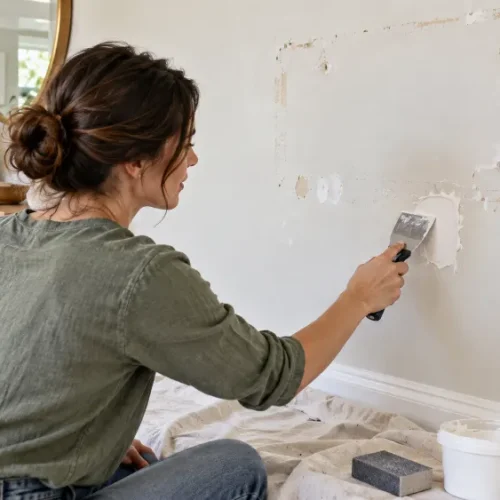
- Patch small holes and repaint
These tasks cost almost nothing. They cost time. And you’ll see change.
You’ll feel proud. That matters.
Step 4: Shop Smart — Deals, Second-Hand, DIY Tools
Now you start buying.
But here’s the key: don’t overspend.
Go to bargain stores. Check local second-hand shops. Look online for deals.
For example, when you take breaks from work or projects, you might grab a deal on leisure stuff like gaming gear — like finding an own4less cheap xbox 360 for family fun. That’s a smart save too. Everyone deserves fun on a budget.
See? Budget living isn’t only about walls and floors. It’s about life too.
Step 5: Learn the Basics First
If you’re new to DIY, don’t panic. You don’t need a certificate.
Start with simple tutorials online. YouTube is great. Search for:
- How to paint a room
- How to fix a door hinge
- How to install shelves
Watch first. Then try.
You might mess up. That’s okay. It’s learning. And you only get better with practice.
Step 6: Gather Tools Slowly
You don’t need a garage full of tools day one.
Start with essentials:
- Screwdriver set
- Hammer
- Paint brushes/rollers
- Level
- Tape measure
- Utility knife
Buy one tool at a time. When you need it. That keeps budget tight.
Borrow tools from friends or family. You’ll finish projects cheaper and faster.
Step 7: Upcycle What You Already Have
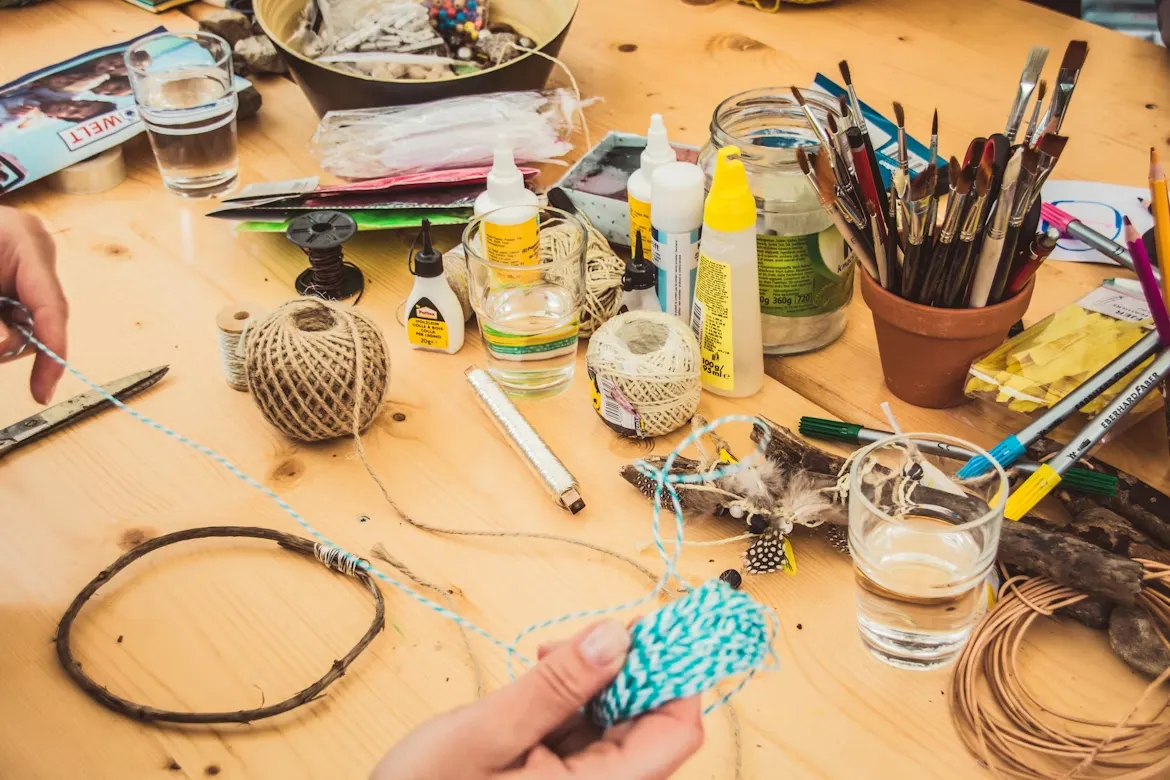
You likely have items you can reuse.
Old picture frames → new art.
Old wood scraps → shelves.
Leftover paint → accent patterns.
Before you throw anything out, ask:
“Can I reuse this?”
Sometimes the answer opens new ideas.
Step 8: Pick One Room at a Time
Don’t try to redo the whole house at once.
Choose one room. Do it well. Then move on.
Here’s a quick roadmap:
Living Room Makeover (Budget)
- Wash or paint walls
- Rearrange furniture
- Add low-cost décor
- Update lighting
Bedroom Refresh
- New bedding
- Declutter surfaces
- Add plants
- Simple wall art
Kitchen Touch-Up
- New knobs or pulls
- Clean grout
- Open shelves
- Fresh towels
Take one room. Finish it. Then breathe.
Step 9: Add Style on a Budget
You want beauty without big spend.
Try these:
- Plants: Cheap, vibrant, alive
- Textiles: Rugs and throws change mood
- Mirrors: Reflect light, make space look bigger
- Artwork: DIY prints or thrifted frames
These bits cost little. Look expensive.
Step 10: Track Your Spending
This is crucial.
Write down every purchase. Big or small.
You’ll see where money goes. Then you can adjust.
Don’t guess. Write it down.
Budgeting isn’t boring. It guides choices.
Step 11: Celebrate Small Wins
You’ll feel tired. You’ll have days where nothing seems right.
Stop. Celebrate. You moved forward.
Painted one wall? That’s progress.
Cleaned the floor? That’s progress.
Moved furniture? That’s progress.
Home makeovers take time. It’s okay.
Step 12: Know When to Ask for Help
DIY is empowering. But sometimes you need help.
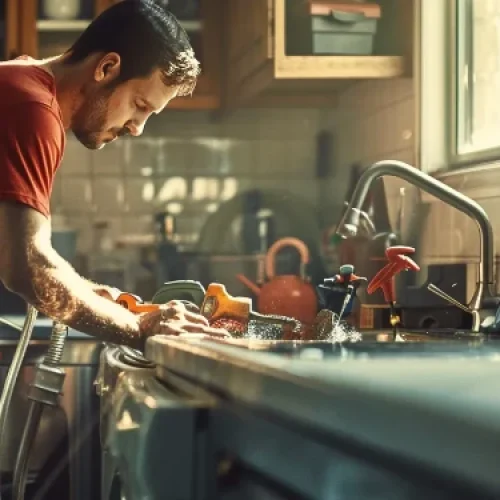
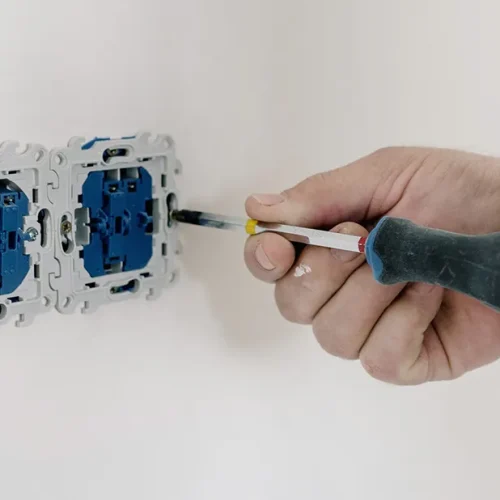
Electrical work. Plumbing. Big structural changes.
Call a professional when safety matters. Some jobs save money in the long run when done right.
Final Thoughts — It’s Your Space
A DIY home makeover on a budget isn’t about big money.
It’s about:
- Planning
- Patience
- Creativity
- Smart shopping
It’s about turning your place into a space you love.
You don’t need expensive tools. You don’t need a giant budget. And you need a plan. And you need to start.
Pick one project today.
One paint can.
One shelf.
One idea.
Then watch your home change — one step at a time.
FAQs
You can start with as little as the cost of paint or basic tools, often under $50, by focusing on high-impact, low-cost changes.
Painting a wall, rearranging furniture, or swapping hardware are beginner-friendly projects with immediate visual results.
Plan your projects in advance, track every purchase, and buy tools or décor only when you actually need them.
One room at a time is better because it keeps costs manageable and helps you stay focused and motivated.
Yes, deep cleaning and decluttering can dramatically change how a space looks and feels without costing much.
Thrift stores, bargain shops, online marketplaces, and second-hand stores often have quality items at low prices.
No, most basic projects can be learned through tutorials, and simple mistakes are part of the learning process.
Start with essentials like a screwdriver set, hammer, measuring tape, and paint supplies, adding tools gradually.
Use plants, textiles, mirrors, and DIY art to refresh a space while keeping costs low.
Hire a professional for electrical, plumbing, or structural work where safety and long-term reliability matter most.