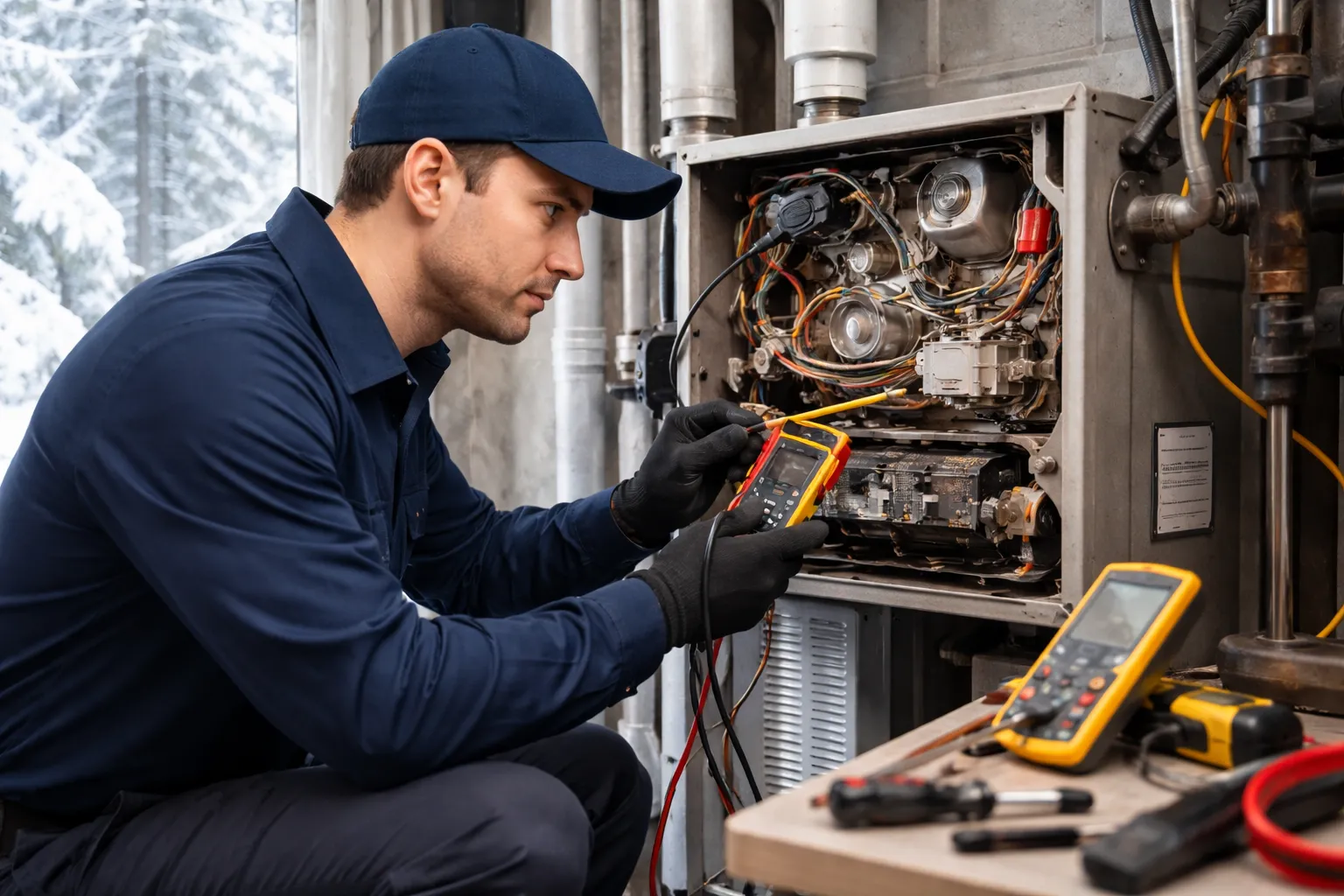
Heating system maintenance is not a marketing term. It is a structured process that keeps critical components operating within safe limits, especially during winter when systems are under the highest load.
Homeowners who rely on professional heating services often experience fewer cold weather failures because routine maintenance addresses problems before they escalate into breakdowns.
When outdoor temperatures drop, heating systems run longer, cycle more frequently, and operate closer to their maximum capacity.
Any existing weakness in the system becomes more noticeable under these conditions. Maintenance reduces that risk by ensuring the system is clean, calibrated, and mechanically sound before winter demand peaks.
This guide will walk you through what heating system maintenance involves, why systems fail during winter, and how routine service prevents unexpected outages when heat matters most. Sit back and enjoy the reading.
Key Takeaways
- Heating system maintenance reduces winter breakdowns by addressing wear, airflow restrictions, and safety concerns early.
- Routine inspections help identify failing components before cold weather increases system demand and operational stress.
- Clean, well maintained systems operate more efficiently and provide consistent heating throughout winter months.
- Annual professional maintenance supports system safety, efficiency, and long term reliability during peak heating seasons.
- Skipping maintenance increases breakdown risk, repair costs, and the likelihood of emergency heating failures in winter.
What Heating System Maintenance Includes
Heating system maintenance focuses on inspection, cleaning, testing, and adjustment. Each step addresses specific failure risks that commonly lead to winter breakdowns. The goal is to confirm the system can operate safely and consistently under sustained cold weather demand.
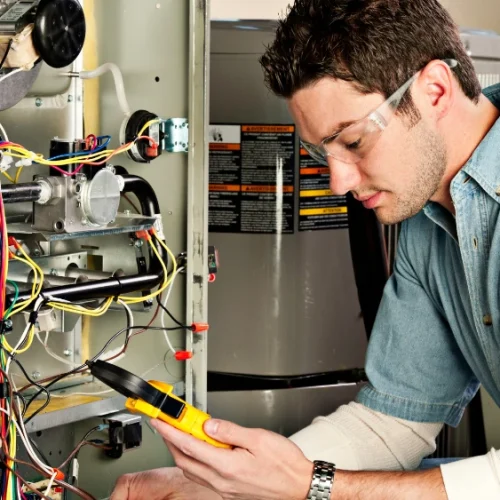
During a typical maintenance visit, a technician evaluates the core components responsible for heat production, airflow, and system control. These checks help identify wear, buildup, or alignment issues before they affect performance.
A standard heating maintenance service typically includes:
- Inspecting the heat exchanger, burners, and ignition system to ensure proper heat production and reliable startup
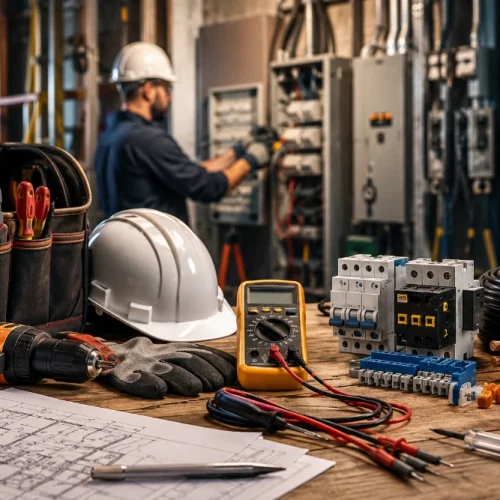
- Checking electrical connections and control components for wear, loose wiring, or signs of overheating
- Cleaning internal components to remove dust, debris, and combustion residue that restrict airflow and reduce heat transfer
- Testing system startup and shutdown cycles to confirm the unit responds correctly to thermostat signals
- Verifying safety controls so the system shuts down properly if unsafe operating conditions occur
Cleaning plays a major role in maintenance. Restricted airflow and dirty components force the system to work harder, increasing strain and the likelihood of shutdowns. Removing buildup allows the system to heat evenly and operate within safe limits.
Maintenance goes beyond a visual inspection. It is a functional evaluation of how the heating system performs under real operating conditions, with adjustments made to support reliability throughout the winter season.
Why Heating Systems Fail During Winter
Most winter heating failures are not sudden. They are the result of gradual wear that goes unnoticed until cold weather increases system demand.
Restricted airflow is one of the most common causes of winter breakdowns. Dirty filters, blocked vents, or debris inside the system force it to work harder to move heat. Increased strain leads to overheating, short cycling, and component failure.
Electrical wear is another frequent issue. Heating systems rely on relays, capacitors, wiring connections, and control boards. Over time, electrical components degrade. Cold weather increases electrical demand, which exposes weak connections or failing parts.
Ignition problems also become more common in winter. Burners and ignition systems that operate inconsistently may fail entirely when the system cycles frequently. Fuel delivery issues, dirty burners, or faulty ignitors often show up during peak heating use.
These failures are rarely unpredictable. They are the result of skipped maintenance and delayed inspections.
How Often Heating Systems Should Be Maintained
Most heating systems should be serviced once per year, ideally before the heating season begins. Annual maintenance ensures the system is ready for sustained winter operation.
Older systems or homes with heavy heating demand may benefit from more frequent inspections. Systems that run longer hours experience more wear and require closer monitoring.
Skipping maintenance for multiple seasons increases failure risk. Small issues compound over time, leading to larger repairs or emergency replacements.
Routine scheduling simplifies ownership. Annual maintenance provides consistent system evaluation and predictable performance throughout winter.
Warning Signs Your Heating System Needs Attention
Heating systems usually show warning signs before a full breakdown occurs. Recognizing these issues early allows repairs or adjustments to be made before heat is lost during cold weather.
- Uneven heating throughout the home
When some rooms remain cold while others overheat, it often points to airflow restrictions, duct issues, or system imbalance. Uneven temperatures indicate the system is not distributing heat properly and may be under unnecessary strain. - Unusual noises during operation
Rattling, banging, or buzzing sounds typically signal loose components, electrical issues, or mechanical wear. These noises tend to worsen under heavy winter use and should be addressed before parts fail completely. - Persistent or unusual odors
Ongoing smells may indicate combustion problems, dust buildup inside the system, or overheating components. Any burning odor requires immediate inspection to prevent safety risks. - Longer run times or frequent cycling
When a heating system runs longer to reach the same temperature or turns on and off more often than normal, efficiency is declining. Increased runtime accelerates wear and raises the risk of winter breakdowns.
Paying attention to these warning signs helps homeowners avoid emergency heating failures and ensures the system remains reliable throughout the winter season.
Why Professional Maintenance Matters
Heating systems involve fuel combustion, electrical controls, and safety mechanisms. Proper maintenance requires training, tools, and experience.
Professionals can test components that homeowners cannot safely access. Heat exchangers, gas pressures, electrical readings, and safety shutdowns require specialized equipment and knowledge.
Improper adjustments can cause more harm than good. Incorrect airflow or control settings can reduce efficiency or create safety risks.
Professional maintenance ensures compliance with manufacturer requirements. Many warranties depend on documented service to remain valid.
The goal of professional maintenance is not just system operation. It is safe, reliable performance under winter conditions.
How Maintenance Extends Heating System Lifespan
Heating system lifespan is influenced by operating stress and maintenance frequency. Systems that run under excessive strain wear out faster.
Maintenance reduces mechanical stress by keeping components clean and balanced. Reduced strain slows wear on motors, blowers, and heat exchangers.
Early issue detection prevents secondary damage. Replacing a worn part early avoids damage to surrounding components.
Consistent performance reduces emergency repairs. Systems that operate smoothly experience fewer sudden failures that shorten lifespan.
A well maintained heating system lasts longer and performs more predictably throughout its service life.
Wrapping Up
Heating system maintenance is a practical investment in reliability, safety, and efficiency. It addresses predictable failure points before winter conditions expose them.
Routine inspections, cleaning, and testing reduce breakdown risk, improve performance, and extend system lifespan. Maintenance also protects against safety hazards that increase during prolonged heating operation.
Homeowners who understand how maintenance works are better equipped to keep their heating systems running when winter demand is highest. Preventing breakdowns starts with keeping the system prepared before cold weather arrives.
Frequently Asked Questions
Most heating systems should be professionally maintained once per year, preferably before the winter season begins. Annual maintenance helps identify worn components, restore proper airflow, and confirm safe operation before the system is placed under continuous cold weather demand.
Heating maintenance reduces the risk of winter breakdowns by identifying worn parts, airflow restrictions, and electrical issues early. While no system is failure proof, routine service significantly lowers the likelihood of unexpected shutdowns during peak heating conditions.
Newer heating systems still require regular maintenance to operate correctly. Even modern equipment experiences normal wear, dust buildup, and calibration changes. Routine service protects efficiency, supports warranty requirements, and helps ensure reliable performance throughout the heating season.
Skipping maintenance allows small issues to worsen over time. Dirty components, loose electrical connections, and airflow problems increase system strain, leading to reduced efficiency, higher energy use, and a greater chance of breakdowns during cold weather operation.
Basic tasks like filter replacement can be handled by homeowners, but full heating maintenance should be performed by trained professionals. Proper inspection, testing, and adjustment require specialized tools and knowledge to ensure safe, reliable system operation.