This post contains affiliate links. As an Amazon Associate, I earn from qualifying purchases, at no extra cost to you. See our disclosure policy.
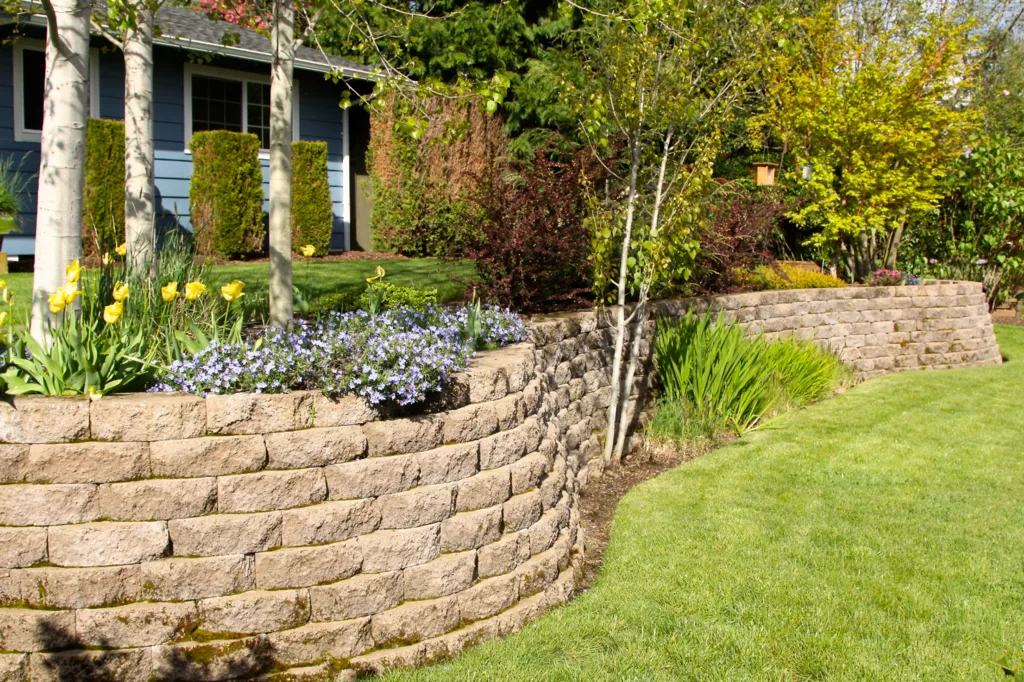
Transforming challenging landscapes into functional, beautiful outdoor spaces often requires creative solutions that balance practicality with aesthetic appeal. These hardworking structures hold back soil, manage elevation changes, and create usable space on otherwise problematic terrain. We’ll explore retaining wall ideas that combine strength with style, helping you turn slopes, soil, and structure into lasting landscape features.
Understanding Retaining Walls
At their core, retaining walls are engineered structures designed to hold back soil and create level areas in landscapes with elevation changes. These practical elements resist the lateral pressure of soil, preventing erosion and slope failure while creating usable space on properties with challenging topography.
Benefits of Retaining Walls in Landscape Design
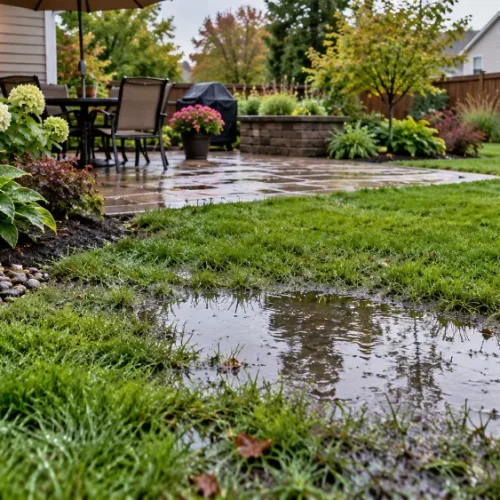
Erosion control stands as one of the primary benefits of retaining walls, particularly for properties with sloped terrain. Well-designed retaining walls incorporate proper drainage systems that manage water flow, directing it away from foundations and preventing the soil saturation that leads to erosion.
Popular Retaining Wall Materials
Natural stone retaining walls offer unmatched aesthetic appeal with their organic textures, varied colors, and timeless character. Options range from rugged fieldstone and rounded river rock to precisely cut dimensional stone, each creating distinctly different visual effects.
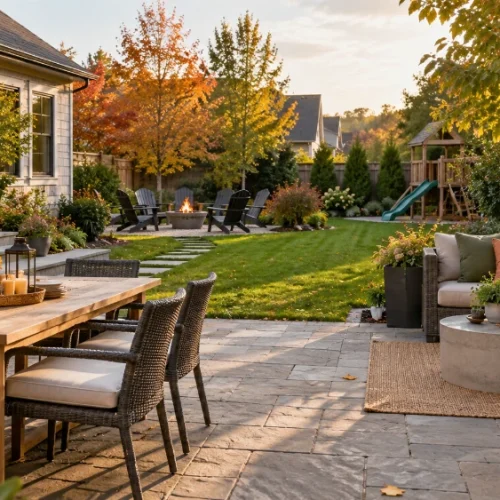
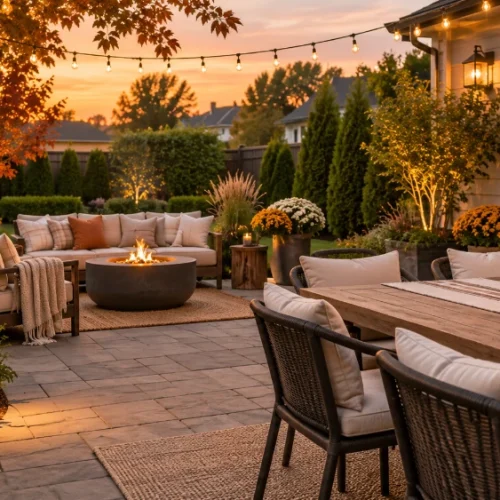
Dry-stacked stone walls, built without mortar, have a traditional, rustic appearance that works beautifully in cottage gardens and natural landscapes. Mortared stone walls provide greater structural stability for taller applications while maintaining the authentic character of natural materials. These same materials are often used in outdoor hardscaping projects, where patio stones can complement retaining walls to create cohesive garden paths, seating areas, or decorative borders.
Essential Design Considerations
Local building codes typically require engineering approval and permits for walls exceeding 3-4 feet in height, as taller structures face substantially greater soil pressure and safety concerns. For landscapes requiring significant elevation changes, consider breaking one tall wall into multiple shorter terraced walls.
DIY vs. Professional Installation
Walls under 3 feet tall on relatively flat terrain with good soil conditions often make suitable DIY projects, particularly when using user-friendly materials. However, as wall height increases, the expertise of landscape professionals becomes increasingly valuable as they bring specialized knowledge about soil mechanics, proper base preparation, and drainage solutions that can prevent costly failures.
In colder climates with variable soil conditions, such as Calgary, professional guidance becomes even more important. Services specializing in retaining wall installation in Calgary ensure walls are designed to withstand freeze‑thaw cycles, shifting soils, and drainage challenges unique to the region.
Creative Retaining Wall Designs for Distinctive Landscapes
Retaining walls don’t just serve a functional purpose, they can also transform outdoor spaces into visually striking landscapes. Terraced designs, in particular, offer both structural stability and creative opportunities for planting, seating, and pathways.
Terraced Slopes for Accessibility
Terraced retaining walls turn steep, unusable slopes into level platforms, making the terrain more functional and visually appealing.
Reduced Structural Demands
By distributing elevation changes across multiple smaller walls, terraces ease the pressure on any single structure, improving stability.
Tiered Planting Opportunities
The stepped design creates natural planting beds, perfect for showcasing diverse plant collections or cultivating microclimates.
Visual Rhythm Through Depth Variation
Varying terrace depths adds rhythm and interest, wider platforms can host seating or pathways, while narrower ones highlight ornamental plants.
Maintaining Your Retaining Wall for Long-Term Performance
Proper maintenance ensures your retaining wall remains safe, functional, and visually appealing for years. Regular inspections and timely interventions help prevent small issues from becoming costly structural problems.
Seasonal Inspection Routine
Check for block movement, cracks, bulging, or leaning at least once per season to catch early warning signs.
After Extreme Weather
Heavy rainfall or freeze‑thaw cycles can stress wall systems, making post‑event inspections especially important.
Drainage System Check
Ensure weep holes and drain pipes remain clear and functional; erosion around the base may signal drainage failure.
Caps and Edging Materials
Inspect caps and edging for secure attachment, as these often show the first signs of shifting.
Timber Wall Rot Prevention
Probe wood components near ground contact points to detect rot before it compromises structural integrity.
Documenting Changes
Use photos to track wall conditions over time, helping determine whether issues are stable or worsening.
Proactive Intervention
Addressing problems early extends the wall’s lifespan and reduces the need for major repairs.
Common Retaining Wall Problems
Retaining walls are designed to withstand heavy loads, but over time they can show signs of stress. Recognizing these issues early helps prevent costly repairs and ensures safety in landscaped areas.
Bulging and Leaning
The most visible signs of distress, often caused by soil pressure, poor drainage, or weak foundations.
Gradual Development of Issues
Moisture, freeze‑thaw cycles, and root pressure slowly weaken walls, eventually exceeding their design capacity.
Minor Bulging Solutions
Small bulges in block walls can often be fixed by removing and reinstalling sections with proper compaction.
Significant Leaning Concerns
Major leaning usually signals deeper structural problems, requiring reconstruction with improved drainage or geogrid reinforcement.
Addressing Root Causes
It’s essential to correct underlying issues rather than just treating visible symptoms for lasting stability.
Importance of Professional Evaluation
Walls showing progressive movement need expert assessment, as active soil pressure will worsen without intervention.
Temporary Bracing for Safety
In severe cases, bracing may be required while permanent solutions are implemented, especially for walls holding large soil masses.
Wrapping Up
Building your ideal retaining wall begins with site assessment and clear goals. Observe seasonal water movement, drainage challenges, and sunlight at the proposed location. Balance functional needs, such as elevation changes, soil type, and load capacity, with aesthetic goals that enhance your landscape.
FAQs
A retaining wall holds back soil on sloped terrain, preventing erosion while creating usable, level outdoor space.
Most local codes require permits and engineering approval for retaining walls over 3–4 feet tall due to increased structural risk.
The best material depends on height, soil conditions, and style preferences, but common options include natural stone, concrete block, timber, and poured concrete.
Dry-stacked stone walls work well for shorter walls and decorative applications but may need mortar or reinforcement for taller or load-bearing designs.
DIY retaining wall projects are usually suitable for walls under 3 feet on stable soil, but taller walls should be handled by professionals.
Proper drainage prevents water buildup, which increases soil pressure and is the leading cause of wall failure.
Terraced retaining walls break steep slopes into manageable levels, improving stability while creating planting areas, seating, or walkways.
With proper materials, drainage, and maintenance, retaining walls can last 30–50 years or longer.
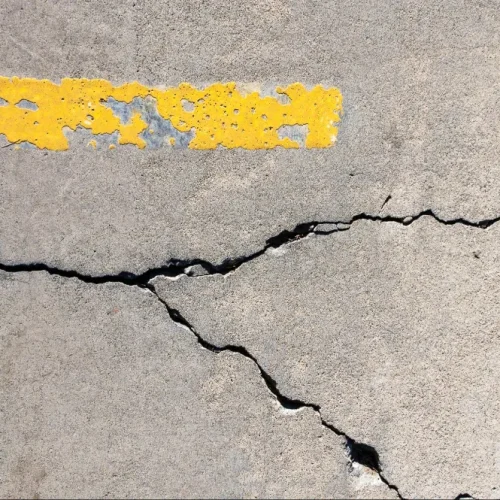
Bulging, leaning, cracking, or soil washing out around the base are early warning signs of structural problems.
Inspect retaining walls seasonally and after extreme weather to catch drainage issues or movement before they worsen.