
Back in the ’90s — and maybe into the early 2000s — there were hard and fast ‘rules’ around what we wore, what we ate, and how we furnished our homes. Well, maybe not rules exactly — more like an expected ‘norm’ that most people followed, if only to avoid standing out.
Fast-forward 25 years, and the world is a different place. Pretty much, you can be whoever you want to be, in every aspect of life. That freedom is liberating — but it also makes one area surprisingly tricky – interior design. While there are still plenty of colours and styles that are very ‘in’, there are far fewer boundaries than ever before. And that freedom, while exciting, can sometimes feel a little overwhelming.
The Death of the “Matching Set”
Once upon a time, a well-designed living room meant a three-piece sofa suite, matching curtains and cushions, and perhaps a feature wall (if you were daring). There was comfort in coordination — everything was expected to match, and doing otherwise was seen as risky or even “wrong.”
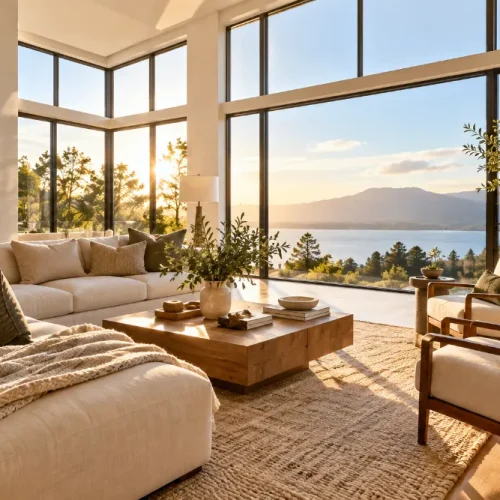
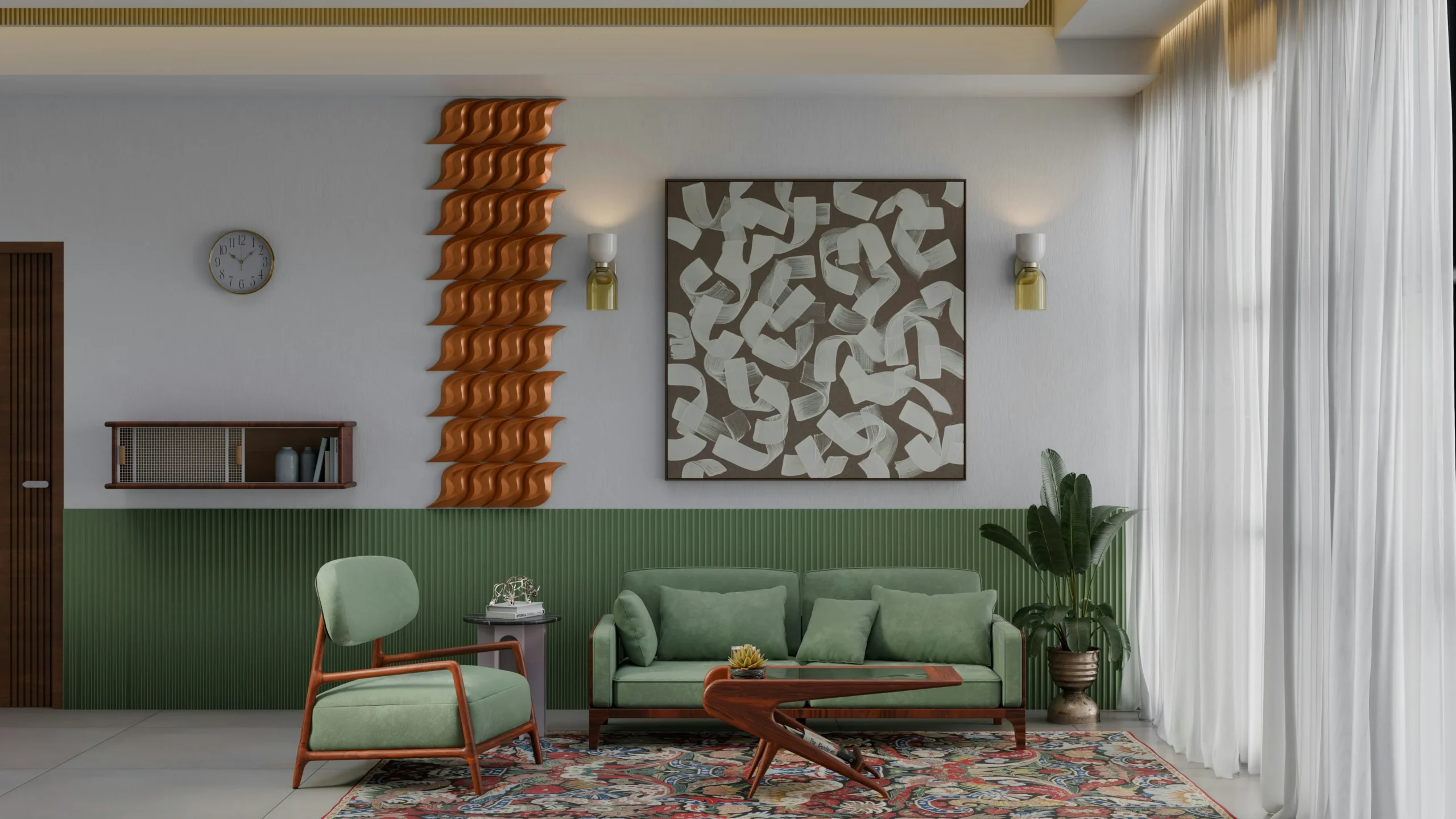
Now? Matching is out, layering is in. The modern interior celebrates individuality — an eclectic mix of old and new, vintage and contemporary, bold and neutral. Today’s homes are a visual conversation between styles, eras, and cultures — and the best spaces tell a story about the people who live in them. We mix up patterns and colours, weaving in our own personalities and creating spaces that reflect who we are, our origins and lifestyles.
The Influence of Social Media
One of the biggest drivers of this change is, of course, social media. Platforms like Pinterest and Instagram have revolutionised design inspiration. Instead of relying on glossy magazines or what was available on the high street, we now have access to a global gallery of interiors images.
That access has fuelled confidence. We see real homes, not just show homes, and we learn that personality beats perfection every time. But the constant stream of inspiration can also make it harder to decide what we actually like. The temptation to chase trends — Japandi minimalism one week, maximalist colour the next — can leave us with spaces that look stylish but feel impersonal.
The New “Unrules”
If interior design does still have rules, they’ve evolved into something more intuitive. It’s less about what should go together and more about what feels right together.
- Mix, don’t match. Contrast creates interest. Play with texture, tone, and style rather than sticking to one look.
- Comfort is king. Homes are meant to be lived in, not styled for a photoshoot.
- Sustainability matters. More people are embracing second-hand finds, upcycling, and investing in timeless pieces that last.
- Rules are personal. If you love something, it will find a place in your home — whether it “goes” or not.
Ultimately, the best interiors are those that make you happy when you walk through the door.
The Return of Colour and Character
For much of the last decade, minimalist neutrals dominated the design landscape — all white walls and beige tones. But we’re starting to see a shift. People are craving warmth, nostalgia, and a sense of playfulness again.
Rich colours, patterned wallpaper, and bold accessories are making a comeback, as homeowners move away from safe choices. It’s not about impressing others anymore; it’s about creating spaces that feel good to live in and reflect our personalities.

The Emotional Side of Design
At its heart, interior design has always been emotional. It’s about how your environment makes you feel. That’s why the new era of “no rules” design feels so liberating — and sometimes, so daunting. Without guidelines, it’s easy to overthink or second-guess our instincts.
But maybe that’s the point. Maybe design today isn’t about getting it “right” but about getting it yours. Whether that means a perfectly styled minimalist flat or a cosy, cluttered cottage full of memories, both are equally valid.
A home should evolve with you. It should be a reflection of your experiences, your travels, your joys — not just a snapshot of the latest trend. The true beauty of modern design lies in its imperfection, its individuality, and its honesty.
So, Are There Rules Any More?
Maybe not. Or maybe the only rule left is this: be yourself.
Ignore the noise, trust your taste, and create a space that makes you smile every day. Because at the end of the day, your home isn’t a showroom. It’s a story — your story — told through colours, textures, and treasures you’ve collected along the way.
And that’s something no rulebook could ever capture.
FAQs
There are fewer rigid rules today, but design still relies on balance, comfort, and personal intention rather than strict formulas.
Matching sets can feel impersonal, while mixing pieces creates depth, character, and a more lived-in look.
Stick to a loose color palette or repeating textures to create cohesion while letting different styles coexist naturally.
It’s great for inspiration, but too much exposure can lead to trend-chasing instead of developing a personal style.
It means prioritizing how a space feels to live in, not just how it looks in photos.
Yes—when used thoughtfully, bold colors can add warmth and personality without overwhelming the room.
Absolutely; second-hand finds, upcycling, and long-lasting pieces are increasingly valued over fast décor trends.
If you love them, they can work—design today values emotional connection over visual perfection.
A home should evolve gradually as your life, tastes, and experiences change.
Create a space that feels like you and makes you happy every time you walk through the door.