An apartment can provide a feeling of coziness, but it also comes with its own set of challenges for anyone suffering from allergies. Indoor allergens such as dust mites, mold, pet dander and pollen can build up in your home faster than you might think. “Nearly 50 million Americans are impacted by allergies every year, and exposure to indoor allergens can be part of the problem,” according to Asthma and Allergy Foundation of America.
Knowing how allergens operate in your home and taking the necessary steps to combat them can really help. Renters deciding to upgrade Renters who decide it’s time to pay a visit can turn to the trusted mortgage professionals at LBC Mortgage for financing options that help breathe life into healthier living spaces. This guide will detail tips and tricks you need to know in order to keep your apartment allergy-friendly, covering air quality, clean habits and material choices.
Understanding Indoor Allergens and Their Impact
Indoor allergens are more than a trivially; they can have a profound impact on health and well-being. Invisible to the naked eye, dust mites flourish in mattresses, pillows and upholstered furniture, as well as carpets. These minute creatures feed on dead skin cells and secrete waste that sets off sneezes, itchy eyes and asthma attacks.
Pet dander, another major allergen, can remain in the air and on other surfaces for months after pets have been removed. Mold spores love wet places – bathrooms, kitchens and even closets without proper ventilation – and they’ll create particles that affect the respiratory system. Pollen disperses from outside air into homes through windows, doors or on clothing, especially in spring and fall.
More than 50 million Americans experience allergies each year and approximately 20% report indoor triggers, according to the Asthma and Allergy Foundation of America. By identifying those sources, community members can create individual interventions including managing humidity levels, covering materials to protect against allergens and avoiding certain types of materials.
By identifying and managing allergies, city dwellers can reduce the impacts of their symptoms, shield family members who may be vulnerable to developing allergies and feel more at ease without drastically changing their daily routine.
Optimizing Air Quality for a Healthier Home
Good indoor air quality is essential for controlling allergies. When the ventilation is poor, dust particles, pet dander and mold spores sit there to accumulate. Keeping indoor humidity levels in the ideal range of 30%-50% can deter mold and dust mites.
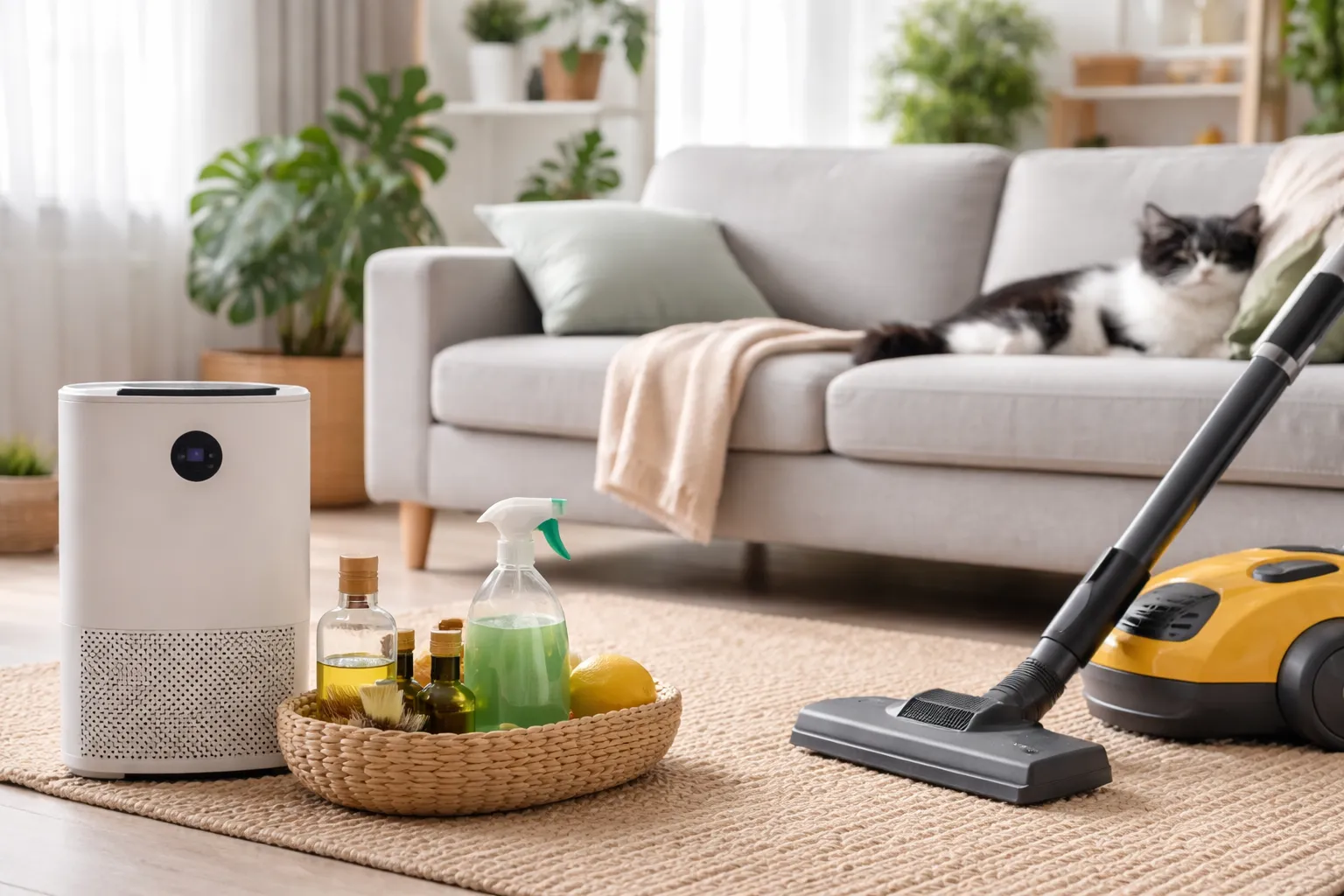
High-efficiency particulate air (HEPA) filters—whether in a portable purifier or installed into allow HCAV system—are very effective at drawing and holding as much as 99% of the outdoor source agents including pollen, dust and animal dander. Keeping air ducts and vents dusted will help keep respiratory issues at bay.
Opening windows can make a dent, but only during low-pollen times or if outdoor air quality is healthy. Simple acts, such as sealing up spaces around doors and reaching for door mats, help keep outdoor allergens out of the house.
Air quality can be measured with inexpensive monitors that will help inform adjustments to filtration, ventilation, and cleaning protocols. Studies released by the Environmental Protection Agency indicate that indoor air may be two to five times more polluted than outdoor air, thus emphasizing the importance of taking matters into one’s own hands. With the right filtering, ventilation and humidity management, apartments can become a breathable space for those with allergies.
Smart Cleaning Strategies to Minimize Allergens
Cleaning is important indeed to keep indoor allergens in check. Vacuum your home, using a vacuum cleaner with a HEPA (high-efficiency particulate air) filter at least twice a week – the most commonly airborne causes of allergies are dust mite and animal dander. By washing bedding, curtains and soft toys in hot water regularly you can remove the build-up of allergens.
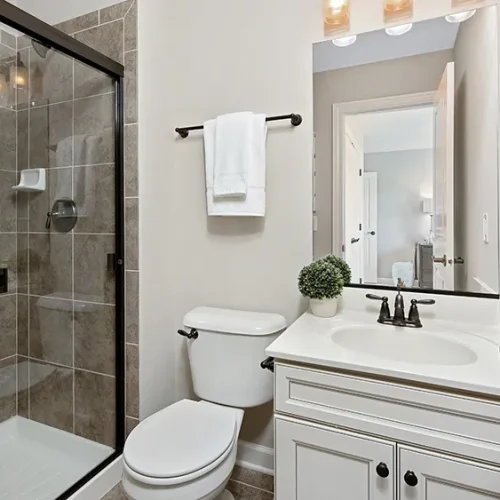
Wiping of bathrooms and kitchens every day or often is a necessary measure because mold and bacteria grow very fast around corners, in the grout tiling and near sinks. It also helps to spot-clean spills as soon as they occur, since continued dampness provides an environment in which dust mites and mold thrive.
Simple tasks, like adding water to cloths when dusting in order to avoid moving allergens around the room, can prevent them from entering the air too. Even easily ignored items like ceiling fans, light fixtures, baseboards and air vents can hold considerable allergen loads.
A survey in 2023 by the American Cleaning Institute found that homes of residents who vacuumed twice a week and washed bedding at least every other week reported suffering from allergy flare-ups that were reduced by 40 percent.
Developing a routine and sticking to it will limit your exposure to allergens while, ideally, giving you better respiratory health without the sneezing and congestion that comes with waking up in a home full of impurities!
Material and Furnishing Choices That Reduce Allergy Risks
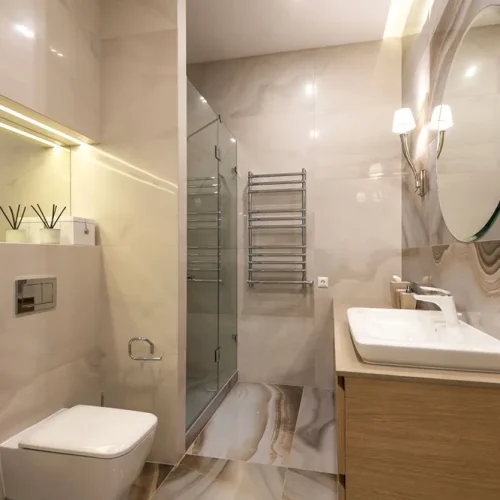
Materials and furnishings are key to controlling allergens in the long term. Choosing hard wood flooring, tile or laminate are all easier to clean and do not collect dust from dust mites like carpet does. Upholstery matter: Tightly woven fabric or leather will collect less pet dander and can be more easily wiped clean than a plush sofa or chairs.
Mold-resistant bathrooms, kitchens and basement paint also help inhibit the growth of mold on walls and floors. If using window treatments, how about washable curtains or blinds that can be washed often to help reduce the dust. Other, smaller design choices like foregoing heavy rugs, decorative pillows or wall-to-wall carpeting can also go a long way toward curtailing the gathering of allergens. Key low-allergen material choices include:
- Hard flooring options like hardwood, tile, or laminate that prevent dust mite accumulation and simplify cleaning routines.
- Upholstery such as tightly woven fabrics or leather seating, which reduce pet dander buildup and are easier to maintain.
- Paint and surfaces in high humidity areas of the home help prevent mold, mildew, fungi, dust mites and long-term allergy triggers.
- Washable window treatments, including curtains and blinds, to allow frequent cleaning and minimize dust accumulation.
- Reducing heavy rugs, cushiony throw pillows and wall-to-wall carpet to reduce dust, pollen and other allergens.
According to a 2022 study published in the American Housing Survey, apartments with hardwood or tile floors typically generated complaints for dust-related allergies that were 35 percent lower than those from carpeting.