Owning a home in LaGrange, Illinois, means dealing with a full range of weather conditions throughout the year. From heavy spring rain and summer storms to freezing winters and strong winds, your house is constantly exposed to elements that can wear it down over time. While cosmetic upgrades can make a home look better, long-term protection comes from improvements that strengthen the structure and reduce the risk of damage.
Protecting your home isn’t about doing everything at once. It’s about making smart, timely improvements that help your house stand up to weather, moisture, and everyday wear. When you focus on prevention instead of waiting for problems to appear, you create a safer, more reliable living space and avoid costly repairs down the road.
Strengthening Your Home’s First Line of Defense
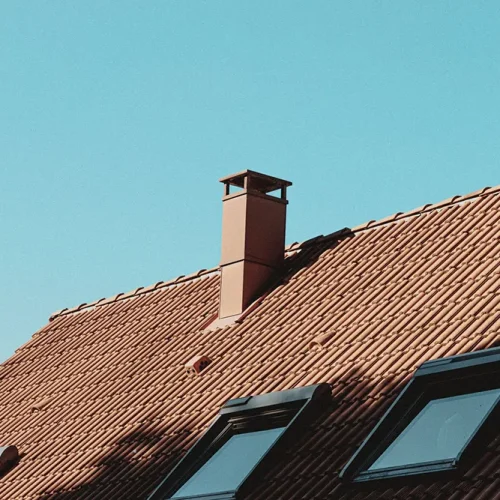
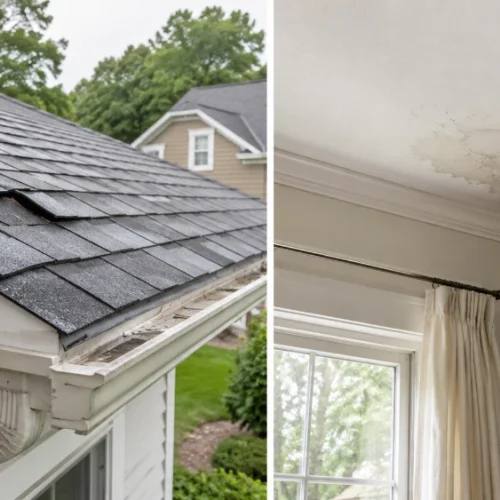
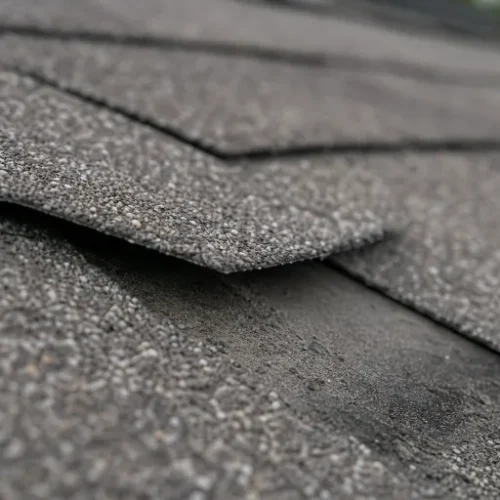
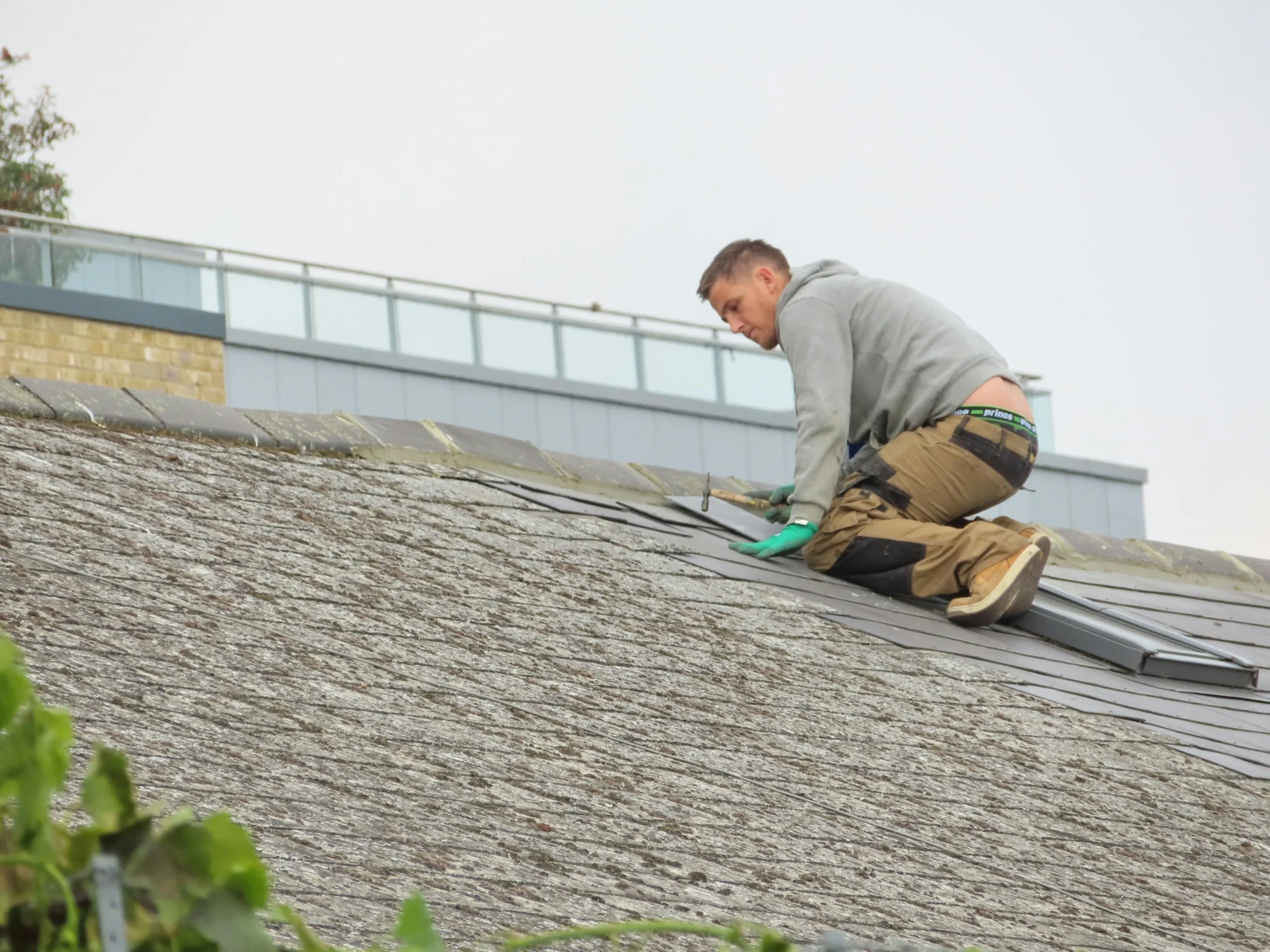
Your roof plays one of the most important roles in protecting your home, especially in a place like LaGrange, where seasonal weather can be unpredictable. Over time, shingles, flashing, and other roofing materials naturally wear down due to exposure to rain, snow, ice, and sunlight. Even small issues can allow moisture to enter, leading to damage that spreads far beyond the roof itself.
That’s why many homeowners begin thinking about hiring a LaGrange roof replacement company when their roof shows signs of aging or repeated repairs no longer feel like a long-term solution. Professional roofing services in the area help homeowners assess the condition of their roof, identify hidden problem areas, and recommend durable materials suited for local weather conditions. A properly replaced roof helps protect the structure underneath, improves overall stability, and reduces the risk of leaks that can damage insulation, walls, and ceilings.
Addressing roof issues early is one of the most effective ways to protect your home for years to come.
Protecting Your Home From Weather and Moisture Damage
Weather-related damage often starts small and goes unnoticed. Rainwater that isn’t directed away properly, melting snow that refreezes, or strong winds that loosen exterior materials can all slowly weaken your home. Over time, these repeated exposures can lead to wood rot, mold growth, and structural deterioration.
Long-term protection comes from making sure your home is prepared to handle water and temperature changes. This includes keeping exterior surfaces in good condition and addressing vulnerable areas before damage spreads. When your home can resist moisture intrusion, it stays stronger and healthier over time.
Improving Exterior Materials for Long-Term Durability
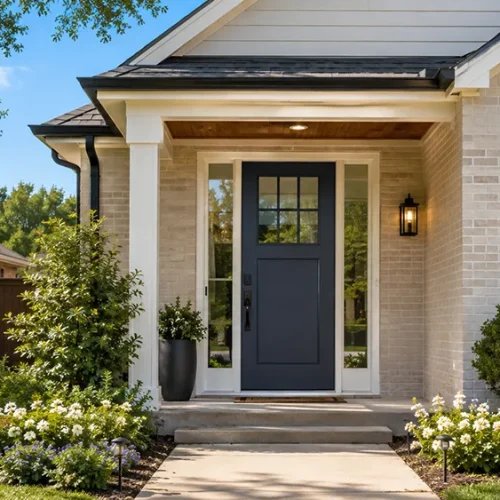
The materials used on the outside of your home matter more than many homeowners realize. Siding, trim, and exterior finishes protect the structure beneath them. When these materials begin to crack, warp, or wear down, they leave your home exposed to moisture and pests.
Choosing durable exterior materials helps reduce ongoing maintenance and extends the life of your home. Quality materials hold up better against temperature changes and moisture, making them a smart investment for long-term protection. Regular inspections help catch early signs of wear before they turn into larger problems.
Managing Water Flow Around the Home
Water is one of the biggest threats to a home’s long-term condition. If rainwater or melting snow collects near your foundation or roofline, it can cause serious issues over time. Proper water management helps direct moisture away from your home and prevents unnecessary stress on structural components.
Gutters and downspouts should remain clear and functional to guide water away from the house. Ground grading around the foundation also plays a role in keeping water from pooling where it doesn’t belong. When water flows as it should, your home stays drier and more protected.
Sealing and Insulating to Prevent Hidden Damage
Not all home damage shows up right away. Small gaps around windows, doors, attic spaces, and rooflines can slowly let air and moisture seep inside without drawing attention. While these openings may seem minor, they can gradually weaken insulation, increase heating and cooling costs, and create damp conditions that lead to mold growth or structural wear over time.
Proper sealing and insulation act as a protective barrier for your home. By closing off air leaks and improving insulation, you help maintain steady indoor temperatures and limit moisture intrusion. These improvements also reduce strain on your heating and cooling systems, making your home more energy-efficient. Although sealing and insulation often go unnoticed, they play a key role in protecting your home’s structure while improving comfort and reliability for the long term.
Regular Maintenance That Extends the Life of Your Home
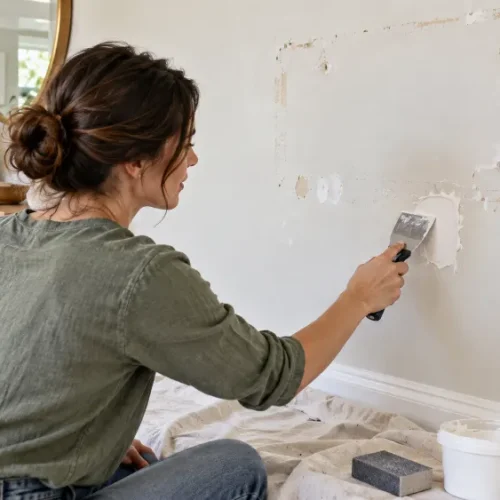
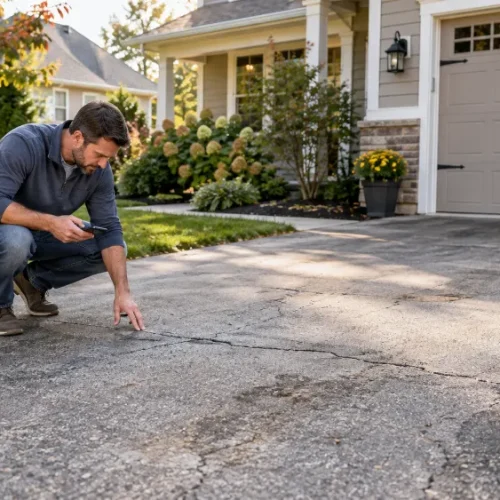
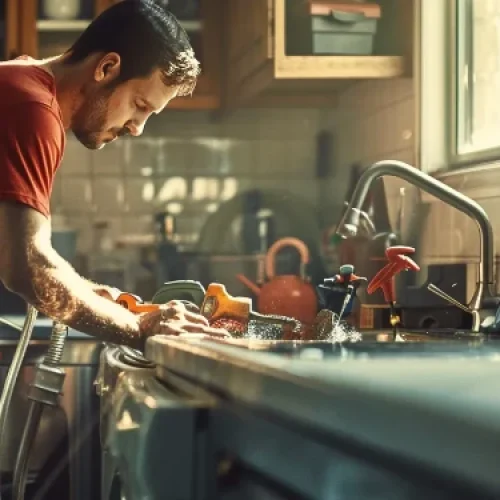
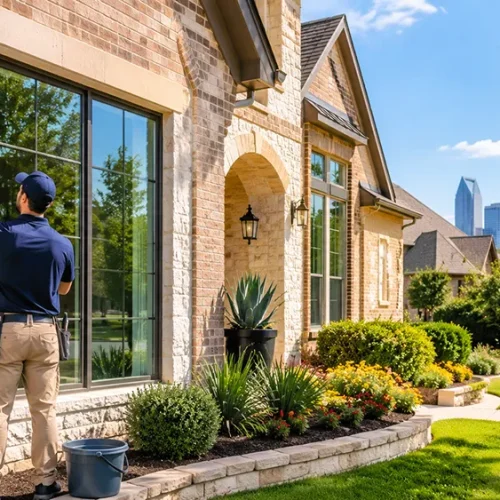
Routine maintenance plays a major role in protecting your home and keeping it in good condition over time. Simple tasks like scheduling seasonal inspections, clearing leaves and debris from exterior areas, and keeping an eye on small changes around your home can help you spot potential issues early. When minor repairs are handled right away, they’re far less likely to turn into larger, more expensive problems.
Making maintenance a regular habit allows you to stay ahead of normal wear and tear caused by weather, aging materials, and everyday use. Instead of reacting to sudden damage, you’re taking a proactive approach that helps your home remain stable and dependable. Over time, this attention to detail helps preserve your home’s structure, reduces unexpected repair costs, and ensures your living space stays safe and comfortable year after year.
Why Long-Term Home Protection Is Worth the Effort
Investing in long-term protection brings peace of mind. Knowing that your home is prepared to handle weather, moisture, and daily use helps you feel more confident and secure. These improvements also reduce the likelihood of emergency repairs, saving time and stress.
Protective upgrades may not always be visible, but their impact lasts. A well-protected home remains comfortable, reliable, and structurally sound, allowing you to focus on enjoying your space instead of worrying about what might go wrong next.
Long-term home protection isn’t about chasing trends or making constant changes. It’s about choosing improvements that strengthen your house and prevent damage before it begins. By focusing on critical areas like the roof, exterior materials, water management, and insulation, you build a solid foundation for the future.
When you take a proactive approach, your home becomes more resilient with each improvement. Thoughtful decisions today help ensure your house remains safe, comfortable, and dependable for many years to come.
FAQs
Improvements that protect the roof, manage water flow, seal gaps, and strengthen exterior materials offer the greatest long-term benefits.
The roof shields the entire structure from rain, snow, wind, and sunlight, and small failures can quickly lead to widespread interior damage.
Unchecked moisture can cause mold, wood rot, foundation issues, and gradual structural weakening that becomes expensive to repair.
Cosmetic upgrades improve appearance, but they don’t replace structural improvements that prevent weather and moisture damage.
At least once a year, and after major storms, to catch cracks, warping, or wear before they worsen.
They direct water away from the roof and foundation, helping prevent leaks, erosion, and foundation stress.
Yes, they block air and moisture intrusion that can quietly damage insulation, walls, and structural components over time.
Regular inspections, clearing debris, and addressing small repairs early are key to avoiding larger problems later.
While some upgrades require upfront costs, they often save money by reducing emergency repairs and long-term damage.
Fixing issues early prevents damage from spreading, keeps repair costs lower, and helps the home stay safe and reliable for years.