Updated 3 days ago /

Light, Space, and Energy: How Your Home Environment Affects Daily Wellbeing

Share
Tweet
Pin
Email
What's Inside
Light, Space, and Energy - How Your Home Environment Affects Daily Wellbeing

Our homes quietly shape how we feel each day.

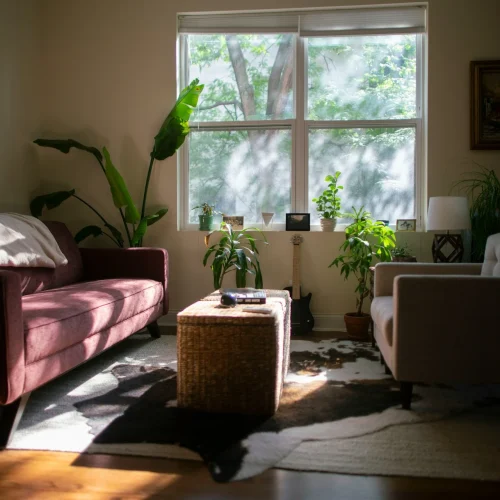
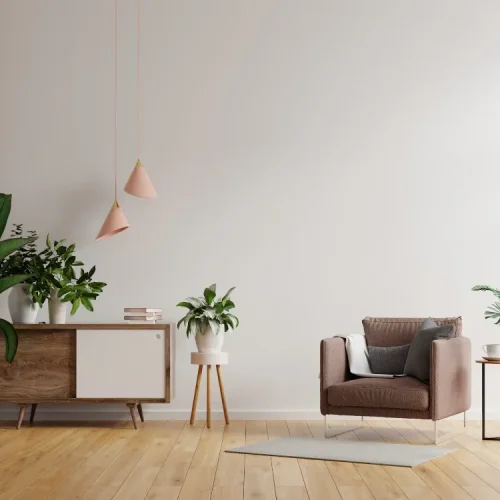
From the way natural light enters a room to how safe and settled we feel behind closed doors, our physical environment has a subtle but powerful influence on mood, focus, and emotional wellbeing. When a home feels bright, calm, and cared for, it becomes easier to rest, think clearly, and feel grounded.

Yet many of the factors that affect a home’s “energy” aren’t obvious at first glance. Small issues — especially those involving light, visibility, and safety — often go unnoticed until they begin to affect daily comfort.

Why Light Matters More Than We Realise

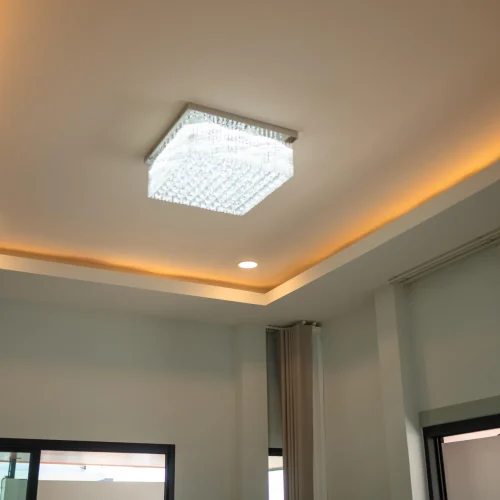
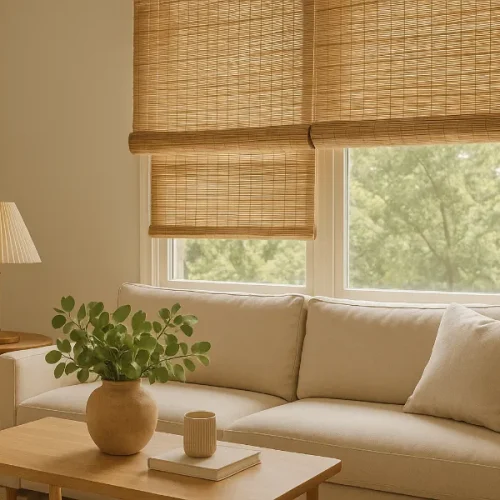
Natural light is closely linked to circadian rhythm, emotional balance, and overall mental clarity. Homes that allow daylight to move freely tend to feel more open, uplifting, and alive.

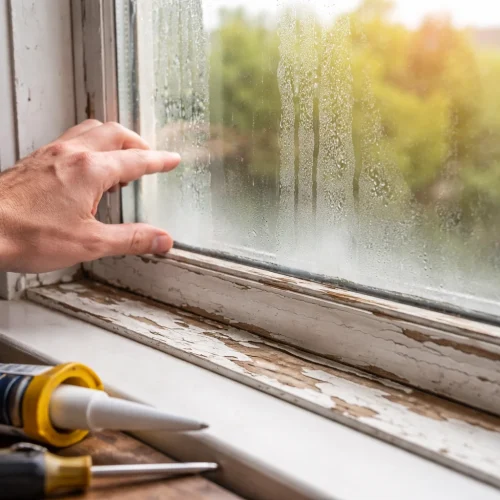
When windows are damaged, cracked, or clouded, the effect isn’t just visual. Reduced light can subtly change how a space feels, making rooms feel heavier, darker, or less inviting — even if everything else in the home appears unchanged.

In some situations, addressing damaged panes through professional glass replacement can immediately restore brightness and clarity, helping a space feel lighter and more supportive again without requiring a full renovation.

The Emotional Impact of Feeling Safe at Home

Wellbeing isn’t only about aesthetics — it’s also about feeling secure.

Even small cracks or compromised glass can create a background sense of unease. You may not consciously think about it, but your nervous system notices when something doesn’t feel quite right. Sounds travel differently, temperatures fluctuate, and subtle worries about safety can creep in.

Taking care of these issues early helps restore a sense of stability. Many homeowners find that window glass replacement improves insulation, reduces outside noise, and restores the quiet confidence that comes from knowing their home is structurally sound.

How Small Maintenance Issues Affect Energy Flow

Homes communicate in subtle ways.

Drafts, rattling panes, unusual reflections, or distorted light patterns can all signal that something needs attention. When left unresolved, these small disruptions can slowly erode comfort, focus, and peace of mind.

Addressing them isn’t about chasing perfection — it’s about listening to what the space is telling you and responding with care.

Simple updates that restore clarity, safety, and natural light often have a disproportionately positive effect on how a home feels day to day.

Creating a Calm, Clear Living Environment

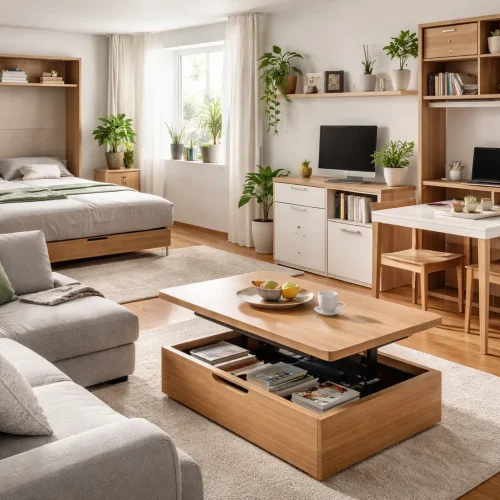
A home that supports wellbeing doesn’t have to be new, large, or styled a certain way. It simply needs to feel:

  • Safe and secure
  • Bright and breathable
  • Free from persistent distractions
  • Maintained with intention

When these elements are in place, the home becomes a space that gives energy back rather than quietly draining it.

Listening to Your Home

If a space feels darker than it used to, colder, noisier, or subtly unsettled, it may be worth paying attention to the small details — especially those involving light and structure.

Sometimes, restoring balance is less about adding something new and more about repairing what’s already there.

When clarity, light, and safety return, the entire home often feels different — calmer, clearer, and more aligned with daily wellbeing.

FAQs

How does natural light affect daily wellbeing?

Natural light supports circadian rhythm, improves mood, and helps maintain mental clarity throughout the day.

Can poor lighting really change how a home feels emotionally?

Yes, dim or reduced light can make spaces feel heavier, less inviting, and subtly draining over time.

Why do damaged or cloudy windows impact comfort beyond appearance?

They reduce light flow, alter temperature balance, and can create an unconscious sense of unease.

How does feeling safe at home influence mental health?

A sense of physical security helps the nervous system relax, making it easier to rest and focus.

Can small maintenance issues affect a home’s energy?

Yes, drafts, noise, and visual distortions can quietly disrupt comfort and concentration.

Is glass replacement only about aesthetics?

No, it often improves insulation, sound control, safety, and overall emotional comfort.

What are signs a home environment may be affecting wellbeing?

Persistent darkness, unusual noise, temperature changes, or a general feeling of unrest can all be indicators.

Do small repairs really make a noticeable difference?

Simple fixes that restore light and stability often have an outsized positive impact on how a space feels.

Does a wellbeing-focused home need major renovations?

Not at all—clarity, light, and safety matter more than size, style, or newness.

How can homeowners better “listen” to their space?

Pay attention to changes in light, sound, and comfort, as these often signal areas that need care or repair.

Benziga Banner Ad
Recent Articles

Explore Ideas on Simple DIY Projects You Can Do At Home!