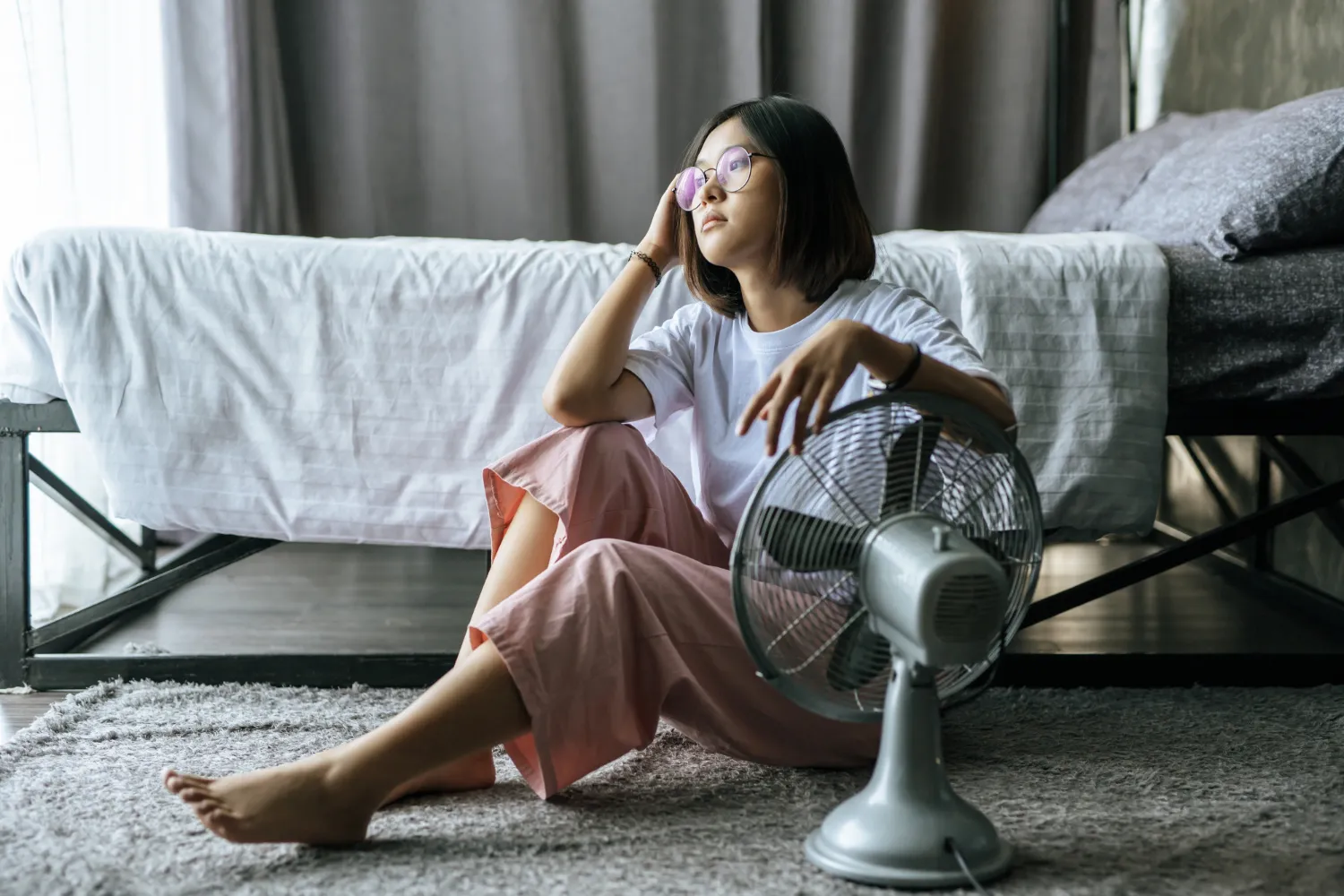
Hot days do not just make your home warmer. They make every small weakness obvious: sun-baked rooms, stale air, and cooling that never seems to reach the places you use most. The good news is you do not need a renovation to feel better fast.
A few small fixes can change everything. Block heat at the windows, stop air leaks, improve airflow, and reduce indoor humidity that makes heat heavier. These upgrades take minutes, not months, and they make your home more comfortable even when temperatures spike.
Reduce Sun Heat Gain at the Windows
On hot days, windows act like heat funnels. Sunlight pours in, surfaces warm up, and rooms hold that heat long after the sun moves on. The fastest comfort upgrade is not lowering the thermostat. It is stopping that heat at the source.
Start by “tracking the sun” for one day. Notice which rooms heat up in the morning and which ones spike in late afternoon. Close blinds early in the rooms that get direct sun, and use curtains that actually block light instead of sheer fabric that only softens it.
If you want an instant boost, add simple heat barriers. A thermal curtain liner, a temporary reflective film, or even a tightly fitted shade can reduce the heat load quickly. Less sun-driven heat means your cooling remains steadier and your home feels calmer.
Improve AC Airflow So Cooling Reaches Every Room
Cooling fails on hot days because the air stops moving the way it should. Even a strong system struggles when vents are blocked, filters are clogged, or return air cannot circulate back to the unit. Fixing airflow is one of the fastest ways to make your home feel cooler without changing the thermostat.
Start with the basics. Replace the HVAC filter if it looks dusty, and make sure every supply vent is fully open. Pull furniture, curtains, and rugs away from vents and return grilles so air can move freely. If one room always feels warmer, check for a closed door or a vent pushed behind a sofa.
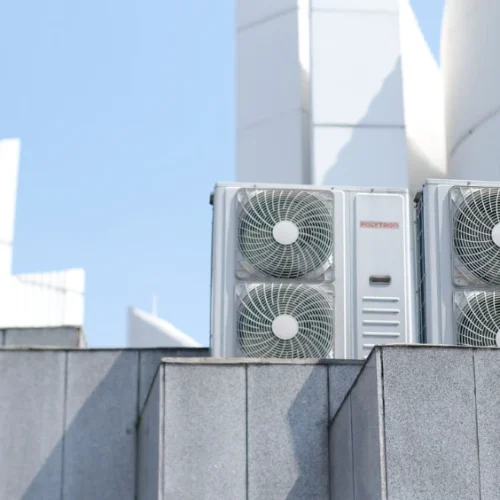
If airflow is still weak after these steps, it may point to a deeper issue, and AC repair services can help identify causes like clogged coils, refrigerant loss, or worn components that reduce performance during peak heat.
Seal Air Leaks That Let Heat Back In
Even strong cooling cannot compete with constant heat infiltration. Small gaps around doors and windows pull hot air inside and push conditioned air out, forcing your system to work harder all day. Sealing leaks often improves comfort faster than adjusting settings.
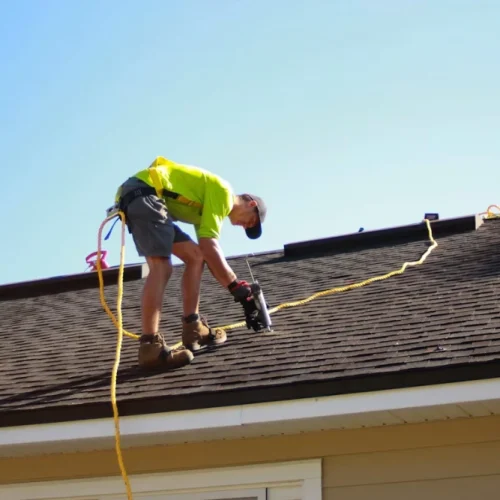
Check exterior doors first. Add a door sweep if light shows underneath, and replace worn weatherstripping along the frame. For windows, inspect corners and edges for cracks, then apply fresh caulk where old sealant has separated. If screens rattle or frames shift, tighten them to reduce hot air intrusion.
Do not overlook hidden leak points. Attic access panels, exterior wall outlets, and gaps around plumbing lines can leak warm air into living spaces. A few low-cost fixes here reduce heat gain, improve efficiency, and help every room cool more evenly.
Use Fans as Comfort Tools, Not Temperature Tools
Fans do not lower the room temperature, but they improve air movement where it matters most. On hot days, that airflow reduces the heavy, stagnant effect that makes indoor heat harder to tolerate. The key is using fans with purpose instead of leaving them running randomly.
Set ceiling fans to spin counterclockwise in summer, so air pushes downward. Place a box fan near a window to blow hot indoor air out, then open a window on the opposite side of the home to pull cooler air in. This creates a simple cross-breeze that clears trapped heat quickly.
Use fans to target occupied areas, not empty rooms. Aim airflow toward seating zones, beds, and desks during peak heat hours. Small changes in direction and placement create stronger circulation, reduce warm pockets, and support your AC without adding major cost.
Cut Humidity Spikes from Bathrooms and Cooking
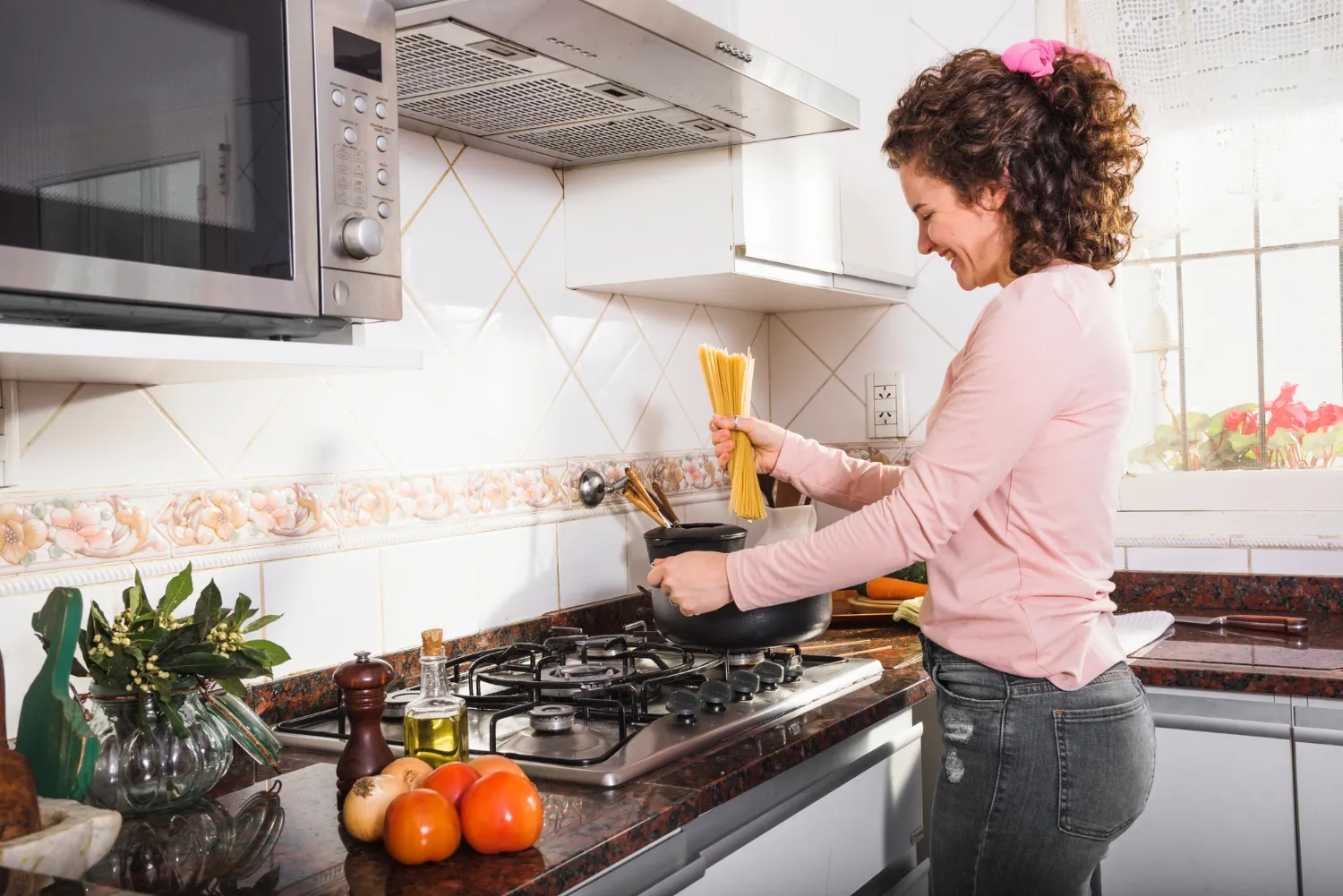
High humidity turns ordinary heat into a bigger problem. Moist air slows evaporation, so your body has a harder time cooling itself. That is why a home can be the same temperature yet more uncomfortable after showers, boiling pots, or long cooking sessions.
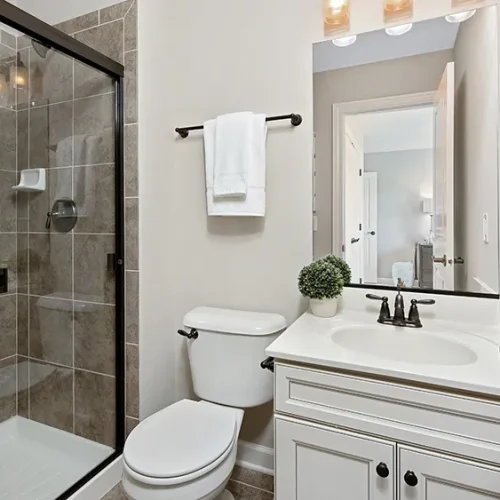
In the bathroom, run the exhaust fan during showers and keep it on for at least 20 minutes afterward. If you do not have a working fan, crack a window and keep the door closed to prevent moisture from spreading into the halls and bedrooms. Wipe down wet surfaces so water cannot linger and evaporate back into the air.
In the kitchen, use the range hood, keep lids on pots, and avoid long simmer sessions during peak heat hours. Shift cooking to early morning or evening when possible. Reducing indoor moisture lowers the strain on cooling and improves overall comfort.
Remove Hidden Indoor Heat Sources
Some heat comes from outside. A surprising amount comes from inside your home. Small indoor sources add up during hot weather, especially in compact rooms where heat has nowhere to go. Reducing that load supports cooling without extra effort.
Start with lighting. Swap any remaining incandescent or halogen bulbs for LEDs, which produce far less heat. Turn off unnecessary lamps in bright rooms, and use targeted lighting instead of illuminating the whole space. Even small changes here reduce heat buildup near ceilings and corners.
Next, control appliance heat. Skip the oven during peak hours and switch to quicker options like a microwave, air fryer, or grill. Run laundry and dishwashers at night, and avoid heated dry cycles. These adjustments reduce indoor heat production and help your AC operate more efficiently.
Wrapping Up
Hot days expose the truth about a home: comfort depends on the small details. When you block the sun, stop leaks, improve airflow, and reduce indoor moisture and heat, you transform the entire indoor experience. These are not big renovations. They are smart, targeted home fixes that deliver outsized results when temperatures rise.com