This post contains affiliate links. As an Amazon Associate, I earn from qualifying purchases, at no extra cost to you. See our disclosure policy.
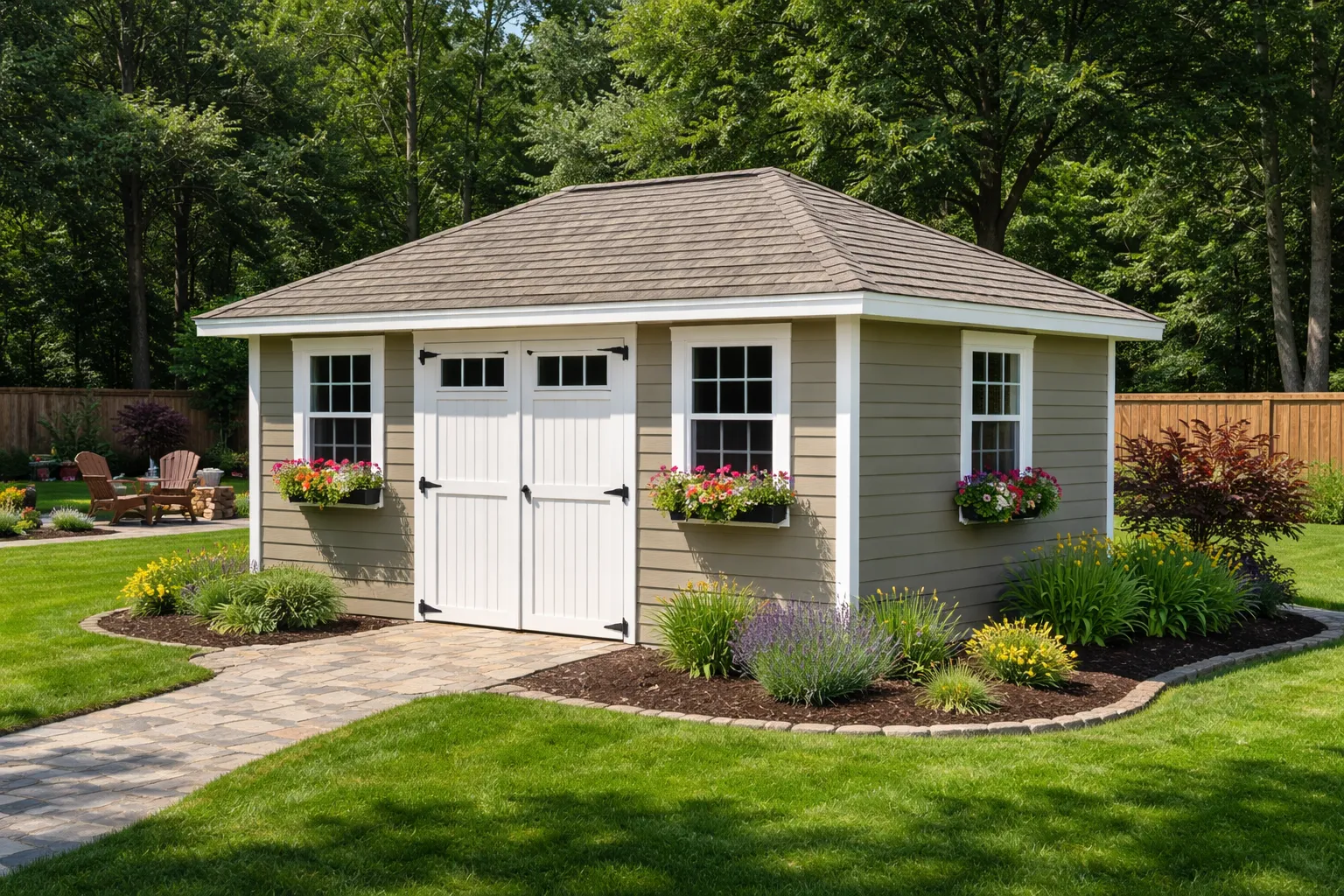
Most backyard storage projects start with a simple question: what style of roof should I choose? While browsing options online or walking through a lumber yard, you’ll quickly notice that sheds come with different roof designs. Among them, the hip roof stands out as a classic choice that’s been around for centuries. But what makes this style different from the traditional gable roof everyone seems to recognize?
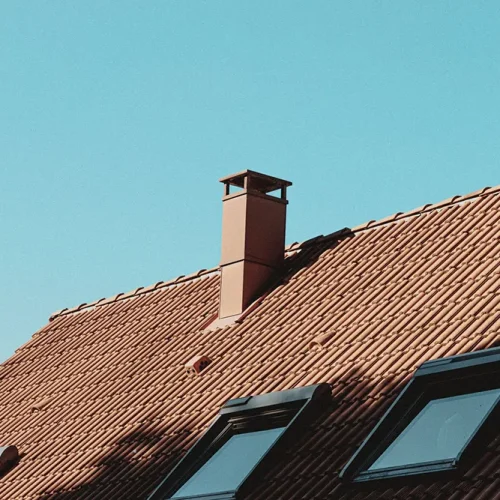
The answer lies in how the roof slopes. Instead of having two sides that meet at a peak with triangular ends, a hip roof slopes downward on all four sides. Picture a pyramid sitting on top of your shed. Each face angles down toward the walls, creating a structure without any vertical gable ends. This design element changes everything from how your shed handles weather to how much it costs to build.
Understanding this roof style matters more than you might think. Your choice affects durability, maintenance costs, and even how well your belongings stay protected during storms. Some homeowners swear by hip roofs for their strength in high winds. Others prefer different styles because of cost considerations. The key is knowing what you’re getting into before making a decision.
How Hip Roofs Actually Work
The structure relies on four sloping surfaces that converge at a ridge line or central peak. Unlike other designs where you see flat triangular walls at each end, every side of a hip roof angles downward. This creates what builders call “hips” – the external corners where two sloping sections meet.
When you look at quality hip roof storage sheds, you’ll notice they require more complex framing than simpler designs. Each hip needs special rafters cut at precise angles. The common rafters run from the walls to the ridge, while hip rafters run diagonally from the corners up to meet either the ridge or a central point. Jack rafters fill in the spaces between, creating a solid framework.
This complexity means stick framing each piece individually. You can’t just build trusses on the ground and lift them into place like you would with some gable designs. Every rafter gets measured, cut, and installed one at a time. For DIY builders, this presents a real challenge. For professionals, it’s just another Tuesday.
The Advantages Worth Considering
Weather resistance tops the list of reasons people choose hip roofs. The sloping design on all four sides makes the structure aerodynamic. Wind flows over and around it rather than catching a flat surface and creating uplift. In hurricane-prone regions or areas with frequent storms, this matters tremendously.
Snow and rain shed efficiently too. Water doesn’t pool anywhere because gravity pulls it down all four slopes. This prevents the buildup that can stress a roof structure or create leaks over time. The consistent slope means your shed dries faster after storms, reducing moisture problems.
Structural stability comes built into the design. The inward slopes create a self-bracing framework. Each side supports the others, distributing weight evenly across the structure. This makes hip roofs less likely to experience sagging or structural failure compared to designs that rely more heavily on internal bracing.
Some insurance companies recognize these benefits. In areas where hurricanes or severe weather pose regular threats, you might qualify for lower premiums with a hip roof structure. Not every company offers this, but it’s worth asking about when shopping for coverage.
The appearance appeals to many homeowners too. A hip roof presents clean lines from every angle. There’s a finished, polished look that complements various architectural styles. Whether your main house features traditional or modern design, a hip roof shed can blend in naturally.
The Drawbacks You Should Know About
Cost hits first. Materials and labor both run higher for hip roofs. The complex framing requires more lumber since you’re building four sloping sides instead of two. More cutting means more waste. More pieces mean more time spent on installation. If you’re hiring professionals, expect to pay a premium for their expertise.
A typical hip roof project might cost 15-25% more than a comparable gable roof structure. For a basic 10×12 shed, that could mean hundreds of dollars in additional expenses. Budget-conscious builders often find this difference hard to justify, especially if they live in areas without severe weather concerns.
Interior space takes a hit too. The sloping walls on all four sides reduce usable volume inside your shed. You lose vertical storage area near the walls. This might not matter much for lawn equipment, but if you’re planning to store tall items or want maximum space efficiency, the reduction becomes noticeable.
Attic storage potential decreases as well. While some hip roof designs can accommodate storage above, you won’t get as much room as you would under a peaked gable. The slopes eat into overhead space from every direction.
Ventilation requires more planning. Without gable ends, you can’t simply install triangular vents at each end of the shed. Instead, you’ll need ridge vents, soffit vents, or other solutions. These work fine but add complexity to the build and might increase costs further.
Maintenance access can prove trickier. The valleys where slopes meet require careful sealing to prevent leaks. Checking these areas means accessing all four sides of the roof rather than just focusing on a simple ridge line. If you’re not comfortable with ladders, this becomes more challenging.
When Hip Roofs Make The Most Sense
Climate plays a huge role in this decision. Living in Florida, the Gulf Coast, or other hurricane zones? A hip roof deserves serious consideration. The wind resistance alone might save you from catastrophic damage during a major storm. The same goes for areas prone to heavy snowfall – that efficient shedding prevents dangerous accumulation.
Property aesthetics matter to some homeowners more than others. If your main house features a hip roof or if you’re working with a homeowners association that values architectural consistency, matching your shed to the existing style makes sense. Companies like the custom backyard structure company «Storage Sheds And Garages» often recommend coordinating outbuilding designs with your home’s architecture for better curb appeal.
Long-term durability planning factors in too. If you’re building a structure meant to last decades with minimal maintenance, the extra upfront cost of a hip roof might prove worthwhile. The self-bracing design means less sagging over time. Better weather resistance means fewer repairs.
Budget flexibility obviously enters the equation. Can you afford the 15-25% premium? Will you recoup that cost through insurance savings or increased property value? These aren’t always easy questions to answer, but they’re worth considering before you commit.
Common Variations To Explore
Not all hip roofs look identical. The pyramid hip sits on square structures, with all four triangular sides meeting at a single peak. This creates maximum headroom in the center but can feel cramped near the edges.
The standard hip roof works better for rectangular buildings. Two trapezoidal sides and two triangular ends converge at a ridge line running the length of the structure. This provides more consistent interior space and easier planning for door and window placement.
Dutch gable hip roofs blend elements from both styles. A small gable section sits atop the hip, adding character and extra ventilation options. This costs more to build but offers functional and aesthetic benefits.
Half-hip designs clip the top corners of what would otherwise be full gables. This gives you some of the wind resistance benefits without completely eliminating vertical wall space. It’s a compromise that works well in moderate climates.
Understanding The Terminology
For those curious about formal architectural language, the hip roof definition describes any roof where all sides slope downward to the walls, creating a structure without vertical gable ends. The “hip” itself refers to the external angle where two roof planes meet and project outward.
This terminology dates back centuries in architectural practice. The design has roots in ancient Roman and Greek building techniques, proving its longevity and effectiveness. Understanding these basic terms helps when discussing projects with contractors or researching building plans.
The ridge board runs along the top where slopes meet. Hip rafters extend from corners to the ridge at diagonal angles. Jack rafters fill in between, connecting the hip rafters to the wall plates. Common rafters run perpendicular from walls to ridge, just like in other roof designs.
Making Your Final Decision
Choosing a roof style for your shed isn’t purely technical. It’s about balancing practical needs with budget realities and personal preferences. Start by honestly assessing your climate. Do you face severe weather regularly? Does wind damage happen in your area? If yes, the extra cost might prevent bigger expenses down the road.
Consider your skill level if building yourself. Hip roofs demand precise measurements and careful cutting. Mistakes cost money and time. If you’re not confident in your carpentry skills, either hire professionals or choose a simpler design.
Think about the long game too. A well-built hip roof shed should last 30-50 years with basic maintenance. Amortize that extra cost over decades and it might not seem as steep. Compare that to replacing a cheaper, less durable structure in 15 years.
Talk to neighbors who’ve built similar structures. What’s their experience been? Have they dealt with roof damage from storms? Would they choose differently if starting over? Real-world feedback often proves more valuable than theoretical comparisons.
Whatever you decide, choose quality materials and proper installation. The best roof design in the world fails if built poorly. Whether you go with a hip roof or another style, invest in doing it right the first time.
FAQs
A hip roof shed has four sloping roof sides that angle down toward the walls, with no vertical gable ends.
A gable roof has two sloped sides and vertical triangular ends, while a hip roof slopes on all four sides for added stability.
Yes, their aerodynamic shape reduces wind pressure and uplift, making them more resistant during storms.
They typically cost 15–25% more than gable roofs due to extra materials, labor, and more complex framing.
Yes, the sloping walls on all sides reduce usable vertical and overhead storage space inside the shed.
They perform well in snow because the four slopes shed snow evenly, reducing structural stress.
Yes, precise cuts and individual rafter installation make hip roofs more challenging for inexperienced builders.
They often need ridge or soffit vents since gable-end vents aren’t possible without vertical ends.
In some cases, yes—especially when the design matches the main home and improves overall curb appeal.
Hip roofs make the most sense in storm-prone climates or when long-term durability and appearance matter more than upfront cost.