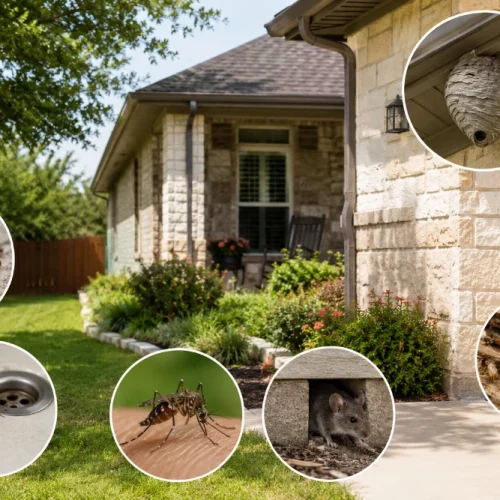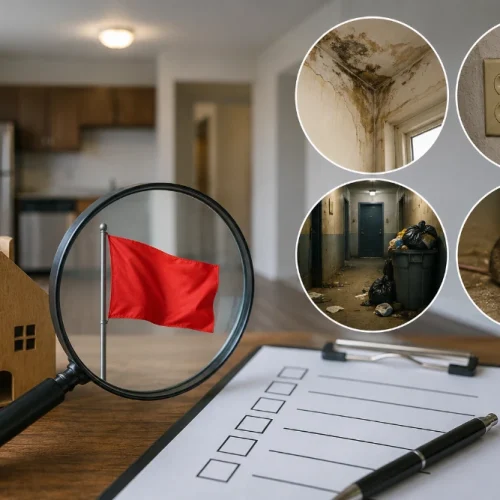
A healthier home depends on more than daily cleaning and good organization. When pests settle into hidden spaces, they quietly affect air quality, cleanliness, and the comfort of everyday living. Because this activity often happens out of sight, small problems can grow without obvious warning, slowly changing how well a home supports the people inside it.
Looking past surface-level upkeep allows homeowners to catch these risks early. Noticing subtle changes, understanding where pests hide, and responding before activity spreads turns prevention into a normal part of home care. Doing so protects household wellness while keeping living spaces cleaner, calmer, and easier to maintain over time.
Why Hidden Pest Risks Often Go Unnoticed
Many household pests prefer quiet, undisturbed areas where daily activity rarely reaches. Wall voids, crawl spaces, attics, and storage areas provide shelter that allows problems to develop without drawing attention.
Modern homes can unintentionally make this easier. Improved insulation, sealed windows, and tightly built interiors reduce airflow, creating warm, protected spaces that pests use to nest and move between rooms.
Busy routines also play a role. Small signs such as faint sounds, minor odors, or occasional droppings are easy to dismiss when they do not interfere with daily tasks or routines.
Because these issues progress gradually, homeowners often recognize the impact before the cause. By the time pests become visible, they may already be affecting cleanliness, air quality, and overall household wellness.
When the source remains unclear, structured inspections and targeted treatments can help address the problem at its root. Approaches used by services such as Axiom Pest Control focus on identifying entry points, addressing contributing conditions, and reducing future risk rather than relying on short-term fixes.
How Pests Impact Your Home
Pests affect more than what you can see. Their presence changes how a home functions, how comfortable it is to live in, and how well it supports everyday health. Even low-level activity can influence multiple aspects of the living environment long before an infestation becomes obvious.
Indoor Air Quality
Many pests shed skin, leave droppings, or carry microscopic particles that become airborne. These contaminants circulate through living spaces and HVAC systems, contributing to dust buildup and poor indoor air quality. Over time, this can aggravate allergies and respiratory irritation, particularly in enclosed rooms or homes with limited ventilation.
Daily Comfort and Livability
Unusual smells, faint noises in walls, or sightings in kitchens and bathrooms disrupt the sense of ease people expect at home. Even when pests remain mostly hidden, the uncertainty they create can affect how comfortable shared spaces are used day to day.
Cleanliness and Food Safety
Pests often contaminate surfaces, pantries, and storage areas as they search for food and water. This makes maintaining a clean home more difficult and increases the risk of food contamination, especially in kitchens and dining areas.
Long-Term Home Condition
Over time, pest activity can damage insulation, wiring, wood, and stored belongings. These hidden impacts reduce a home’s efficiency and contribute to maintenance issues that extend beyond simple pest removal.
Strategies for Effective Pest Management
Effective pest management focuses on prevention, early intervention, and consistency. Rather than reacting once pests become visible, homeowners can reduce long-term risk by combining practical habits with targeted actions that address why pests enter and stay in a home.
Reduce Entry Points
Sealing gaps around doors, windows, vents, and utility lines limits how pests access the home. Small openings often go unnoticed but provide easy entry into walls and ceilings.
Regularly inspecting foundations, weather stripping, and exterior fixtures helps close these pathways before pests establish hidden routes indoors.
Control Moisture and Humidity
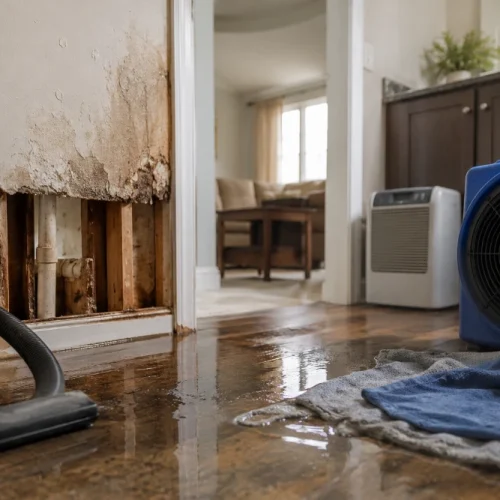
Many pests rely on moisture to survive. Leaks under sinks, damp basements, and poor ventilation create conditions that attract insects and rodents.
Fixing plumbing issues, improving airflow, and using dehumidifiers where needed make the home less hospitable to pests over time.
Improve Sanitation and Storage
Food residue, clutter, and unsecured trash provide reliable food sources. Even small crumbs or spills can sustain pest activity in kitchens and storage areas.
Storing food in sealed containers, maintaining clean surfaces, and reducing clutter remove incentives that encourage pests to remain indoors.
Maintain Outdoor Areas
Outdoor conditions often influence pest activity inside the home. Overgrown shrubs, dense mulch, wood piles, and standing water near foundations create shelter and easy access points that pests use to move indoors.
Keeping vegetation trimmed, storing materials away from exterior walls, and improving drainage reduces pressure along the home’s perimeter and helps limit hidden pest pathways.
Use Targeted, Preventive Treatments
Not all pest activity requires aggressive solutions. Targeted treatments focus on specific areas where activity occurs rather than widespread application.
Preventive approaches emphasize monitoring, follow-up, and addressing contributing factors, helping reduce recurrence while supporting a healthier living environment.
Why One-Time Treatments Often Fall Short
One-time pest treatments often focus on visible activity rather than the conditions that allow pests to survive. While these approaches may reduce sightings temporarily, they rarely address entry points, nesting areas, or environmental factors that support ongoing activity behind walls or in less accessible spaces.
Hidden pests adapt quickly. When food sources, moisture, and shelter remain available, activity often returns once the initial treatment wears off. In some cases, pests simply shift deeper into the structure, making future problems harder to trace and resolve.
Lasting pest management requires a broader approach. Identifying contributing conditions, monitoring changes, and adjusting prevention strategies over time helps reduce recurring issues and supports a healthier, more stable home environment.
Knowing When Professional Support Becomes Necessary
Some pest issues extend beyond routine prevention and basic home care. Repeated sightings, unexplained odors, persistent sounds in walls, or activity that returns despite cleaning and sealing efforts often indicate a deeper, hidden problem.
Professional support becomes valuable when the source is difficult to locate or when conditions continue to support pest activity. Trained inspections help identify entry points, nesting areas, and contributing factors that are easy to miss. Addressing these issues early reduces long-term disruption and helps protect the home’s overall health and comfort.
Wrapping Up
Hidden pest risks rarely resolve themselves, but they can be managed with awareness and consistency. When prevention becomes part of regular home maintenance, small actions add up to lasting benefits. Addressing problems early supports healthier routines, protects shared spaces, and helps a home remain comfortable and dependable as daily life continues to unfold.