
Beginning the process of building a custom home is a big step for anyone or any family. While building from the ground up opens a plethora of opportunities, it also comes with certain challenges. With careful planning, full consideration, and clear visualization of the goals, building a custom home can also be a rewarding experience. Here are some important points to consider before starting a project like this.
Clarifying the Vision
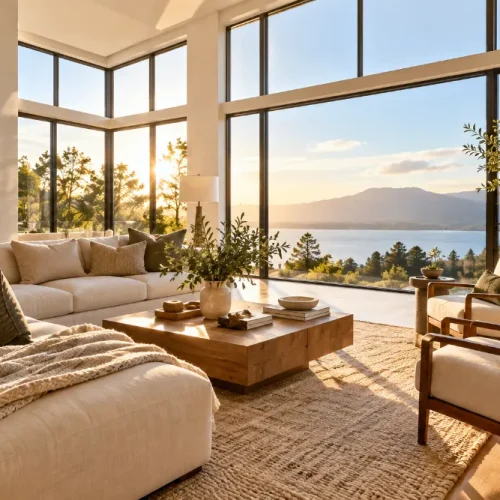
Every great custom new home build begins with a vision. Anyone considering building a home should reflect on how they want it to feel and function. Look at design, arrangement, dimension, and appearance preferences. Consider if open spaces, hidden little nooks, or flexible rooms will serve the household best. A thorough idea helps to outline the expectations, which reduces any confusion down the road.
Setting a Realistic Budget
Budget planning is the groundwork of any project. Whatever dreams you have, having a financial framework to guide you makes sure they stay in line with the resources you have on hand. Budget for large construction, interior features, landscaping, charges, and unforeseen expenses. Your budget should also include permits, professional services, and a delay. Looking over these can keep financial strain at bay during the build itself.
Selecting the Right Location
A site is not just a matter of daily comfort but also of future value. Consider distance to schools, jobs, shopping, and transit. Look into the neighborhood well, be it of safety, atmosphere, or potential for growth. Assess soil condition, drainage, and sunlight. Such details play a role in long-term satisfaction and can also affect the complexity and, therefore, cost of construction.
Understanding Local Regulations
Each locality has particular regulations for constructing a residence. Investigate land use ordinances, construction limitations, and HOA regulations. At various points within the process, you might need permits and inspections. Knowing about these requirements avoids legal problems and expensive delays. Clarifying regulations at an early stage by checking with local authorities or experienced entities can be helpful.
Choosing Professionals Wisely
The design and build teams are the heart of success. Find reputable architects, builders, and contractors with relevant experience. Look through portfolios, and ask for references from former clients. Establish a hard-working relationship that prioritizes effective communication and trust. Assembling a good team takes the stress out and facilitates high-quality results.
Prioritizing Sustainability
Sustainability and eco-friendliness also help the environment and are beneficial to homeowners or home buyers. Look for economical heating, cooling, and insulation. Choose sustainable materials that are built to last and are non-toxic to keep waste to a minimum. Add elements that have natural light and conserve water. Adding sustainable alternatives will decrease energy bills and provide a healthier indoor environment.
Planning the Timeline
Have patience and flexibility when building a custom home. Manage realistic timelines for construction. All of this is reliant on things like the elements, the red-tape process, or supply issues. Expect some delays and be willing to adjust. Keeping in touch with the professionals keeps the timetable in order and helps reduce hassles.
Anticipating Hidden Costs
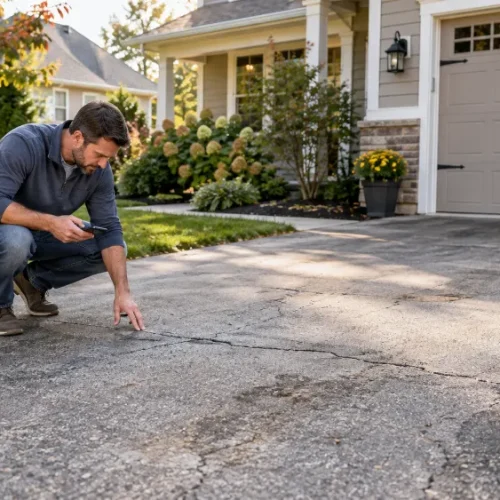
Construction can sometimes bring about unplanned expenditures. The budget can be changed due to soil issues or design changes, or new codes passed. Factor in an emergency budget for those surprises. Being financially prepared allows for more informed decisions and avoids halting work in the middle of the project.
Communicating Regularly
Continuous and transparent communication among homeowners and professionals is also essential. Talk about what everyone expects, how he/she wants it, and what his/her concerns are. By addressing and resolving issues as they arise, you prevent any errors or ambiguity from arising. Clear communication facilitates a smoother process and leads to better outcomes.
Focusing on Quality
While other materials or workmanship may be cheaper on the front end, they can cause issues later. Reliability and durability should be the focus of everything in the home. Spend money on hiring experienced workers and, most importantly, trustworthy suppliers. Good construction provides years of added comfort, safety, and value to property.
Conclusion
There are a multitude of choices to make when building a custom home, and the decisions are all tied to each other. Having a clear vision, an overall budget, analyzing the market & regulations, and assembling a team can help ease the process. Lasting benefits come from sustainable design, clear communication, and quality focus. When planned carefully, the vision of a tailor-made home can be an enjoyable experience.
FAQs
The first step is clarifying your vision, including how you want the home to function, feel, and support your lifestyle.
A realistic budget should include construction, finishes, permits, professional fees, landscaping, and a contingency for unexpected costs.
Location affects daily convenience, long-term property value, and construction complexity due to factors like soil, drainage, and zoning.
You should review zoning laws, building codes, permit requirements, and any HOA rules that could impact design or timelines.
Architects, builders, and specialized contractors are essential, and choosing experienced, well-reviewed professionals helps avoid costly mistakes.
Yes, sustainable design can lower energy costs, reduce environmental impact, and create a healthier living environment long term.
Timelines vary, but delays from weather, permits, or material availability are common, so flexibility is important.
Unexpected soil conditions, design changes, and updated code requirements can add costs if not planned for early.
Regular communication throughout the project helps catch issues early and keeps expectations aligned on both sides.
High-quality materials and workmanship reduce future repairs, improve safety, and add lasting value to the home.