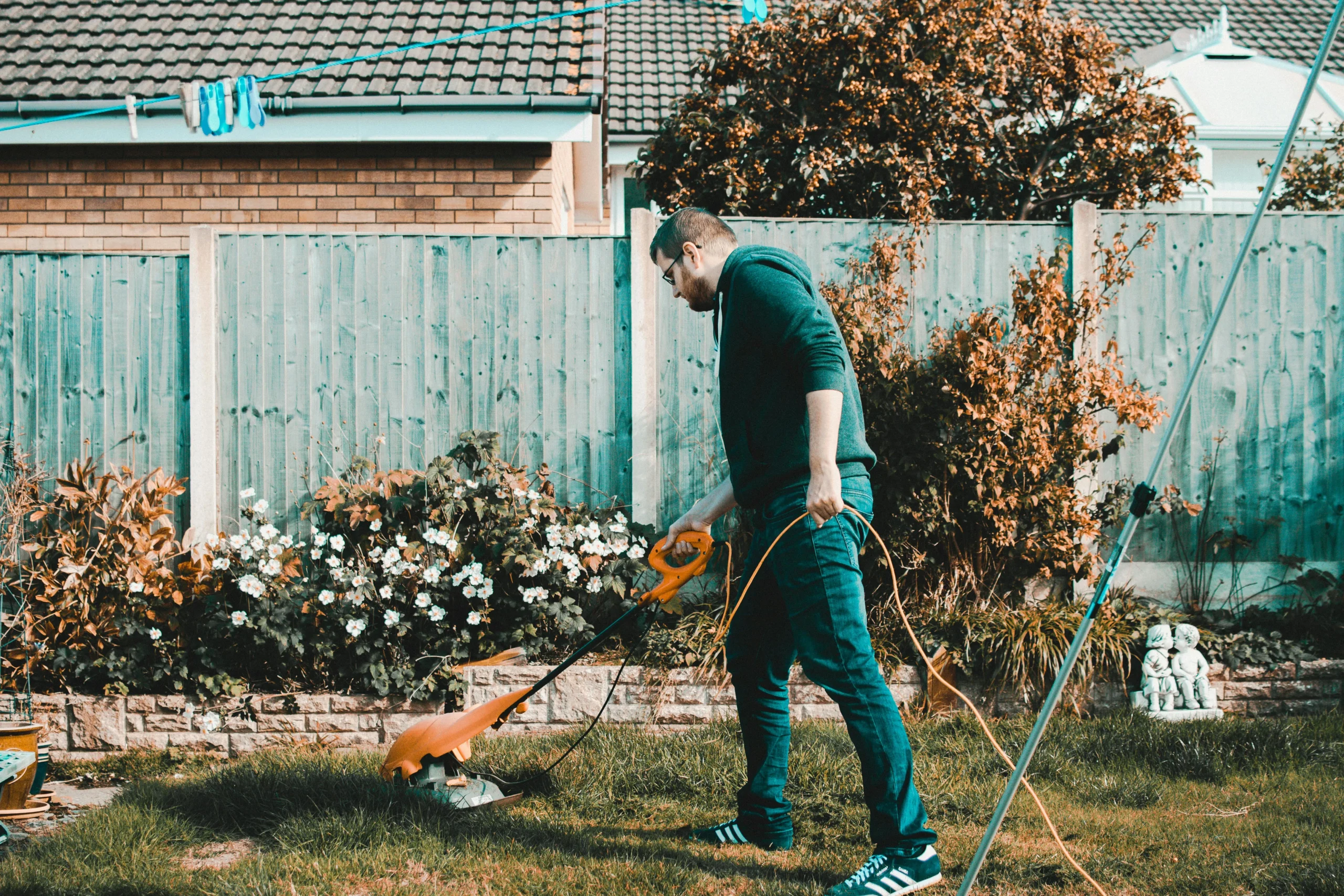
Yard maintenance often feels straightforward. You mow the lawn, trim a few bushes, and clear away debris when it builds up. But what many homeowners don’t realize is that small mistakes in outdoor care can quietly turn into expensive repairs. Over time, neglected issues can affect your home’s structure, drainage, safety, and even your wallet.
Your yard isn’t separate from your home. It’s part of the same system. Trees, soil, water flow, and hardscaping all interact with your foundation, roofline, and utilities. When one area is overlooked, problems can spread. The good new››s is that most costly yard-related repairs are preventable. Understanding where homeowners commonly go wrong is the first step toward protecting your property and avoiding stress later on.
Why Yard Maintenance Problems Often Go Unnoticed
One reason yard issues become expensive is that they tend to develop slowly. Unlike a broken appliance, yard damage doesn’t always announce itself right away. A leaning tree, soft soil, or cracked walkway might seem minor at first, but these are often early warning signs.
You might also assume that outdoor problems are cosmetic rather than structural. In reality, poor yard maintenance can lead to foundation cracks, roof damage, drainage failures, and safety hazards. When these issues are ignored, repair costs rise quickly. Paying attention early and understanding which tasks carry real risk can save you time and money in the long run.
Underestimating the Risks of Tree Maintenance
Trees add shade, beauty, and value to your property, but they also require careful management. One of the most common mistakes homeowners make is underestimating how complex tree-related work can be. Cutting or removing a tree isn’t just about strength. It requires planning, proper technique, and awareness of everything around it.
When it comes to felling a tree, the process involves more than making a single cut. Safe tree removal depends on understanding the tree’s lean, identifying hazards like nearby structures or power lines, and using the right tools and protective gear. Poor planning or rushed decisions can result in falling limbs damaging roofs, fences, or vehicles. In situations where the risks extend beyond routine trimming, local tree services are often equipped to manage the technical and safety challenges involved, helping reduce the likelihood of costly property damage or personal injury.
Ignoring Early Signs of Drainage Problems
Water management is one of the most overlooked aspects of yard maintenance. Poor drainage can cause serious damage if left unaddressed. Pooling water, soggy patches, or erosion are signs that water isn’t flowing away from your home properly.
Over time, excess moisture can weaken your foundation, crack walkways, and damage landscaping. What starts as a muddy spot can turn into a major repair if water continues to collect near your home. Addressing grading issues, clearing blocked drainage paths, and monitoring how water moves after rainfall can prevent long-term problems.
Letting Overgrowth Get Out of Control
Plants grow quickly when conditions are right, and without regular attention, overgrowth can cause real harm. Shrubs and vines pressed against siding can trap moisture, leading to rot or mold. Tree branches hanging over your roof increase the risk of damage during storms.
Roots can also be a hidden issue. Over time, they can push against walkways, driveways, and underground utilities. Regular trimming and monitoring growth patterns help you stay ahead of these issues before they require expensive repairs.
Skipping Regular Lawn and Soil Care
A healthy lawn does more than look good. It helps manage water and protect soil. When grass becomes thin or patchy, erosion becomes more likely. Soil can shift, creating uneven surfaces and drainage problems.
Compacted soil is another common issue. When soil can’t absorb water properly, runoff increases, putting stress on nearby structures. Simple maintenance like aeration, proper watering, and reseeding bare spots can help maintain soil health and reduce damage over time.
Overlooking Hardscape Wear and Tear
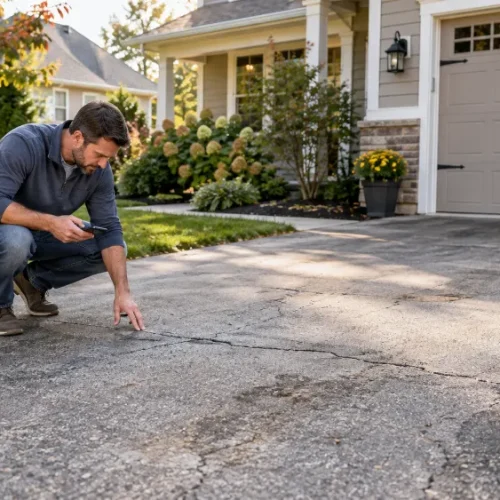
Patios, walkways, and retaining walls are designed to last, but they still need attention. Small cracks or loose stones may not seem urgent, but they can worsen quickly with temperature changes and moisture.
Ignoring these early signs can lead to larger structural failures that require professional repair. Taking time to inspect hardscape features seasonally allows you to address minor issues before they become major expenses.
Using the Wrong Tools or Techniques
Another common mistake is using tools that aren’t suited for the job or relying on improper techniques. Yard work often looks simple, but using incorrect equipment can cause accidental damage or injury.
For example, dull blades can tear plant material instead of cutting cleanly, leading to disease or slow recovery. Using underpowered tools for heavy tasks increases the risk of mistakes. Choosing the right equipment and learning proper techniques helps you work more efficiently and safely.
Forgetting Seasonal Yard Preparation
Each season brings different challenges, and failing to prepare your yard can lead to damage. In colder months, neglecting cleanup can trap moisture and weaken plants. In wetter seasons, clogged drains or gutters can cause flooding and erosion.
Seasonal maintenance doesn’t have to be complicated, but it does need to be consistent. Simple steps like clearing debris, checking drainage paths, and trimming vulnerable branches can protect your yard from seasonal stress.
Delaying Repairs That Seem Minor
One of the most costly mistakes homeowners make is waiting too long to fix small problems. A minor issue rarely stays small. Over time, wear and tear add up, and what could have been a simple fix turns into a larger project.
Addressing problems early often costs less and requires less effort. When you notice something unusual, whether it’s a leaning tree, cracked walkway, or pooling water, it’s worth investigating right away.
Yard maintenance mistakes are easy to make, but their consequences can be expensive. Trees, drainage, soil, and structures all play a role in protecting your home, and overlooking any one of them can lead to costly repairs. By paying attention to early warning signs, using proper tools and techniques, and approaching higher-risk tasks with care, you can avoid many common problems.
Your yard is an extension of your home. Treating it with the same level of attention helps preserve your property’s value and keeps repairs manageable. With consistent care and informed decisions, you can prevent small mistakes from turning into major expenses.
FAQs
Neglected yard issues can affect drainage, soil stability, and vegetation growth, which may lead to foundation damage, roof problems, or structural repairs.
Pooling water, uneven soil, cracked walkways, leaning trees, and overgrown plants are often early indicators of bigger issues.
Poor drainage can weaken foundations and hardscaping over time, turning minor grading issues into major structural repairs.
Yes, tree roots can crack sidewalks, lift driveways, damage underground utilities, and even affect foundations if left unmanaged.
Overgrowth can trap moisture against your home, cause rot or mold, and increase the risk of storm-related damage.
A healthy lawn helps prevent erosion and manage water flow, while bare or compacted soil increases runoff and structural stress.
Small cracks often expand with moisture and temperature changes, leading to larger failures that cost more to repair.
Yes, improper tools or techniques can harm plants, damage surfaces, or increase the risk of injury and costly mistakes.
Failing to prepare for seasonal changes can result in clogged drainage, water damage, plant loss, and soil erosion.
Small issues tend to worsen over time, turning simple fixes into expensive, labor-intensive projects.