
The way we use commercial spaces has fundamentally changed over the past decade. Business owners are now prioritizing functionality, aesthetics, and employee well-being more than ever before.
Why Commercial Renovation Matters
A well-designed commercial space can dramatically impact your business success. Studies consistently show that updated work environments boost employee productivity and morale.
Your physical space sends a powerful message to clients and customers. First impressions are formed within seconds of walking through your door.
Outdated facilities can cost you top talent in competitive job markets. Modern workers expect comfortable, well-equipped environments that support their daily tasks.
Planning Your Commercial Renovation Project
Every successful renovation begins with a comprehensive assessment of your current space. Take time to identify what’s working and what desperately needs improvement.
Create a detailed budget that accounts for unexpected expenses. Most renovation experts recommend setting aside an additional 15-20% for unforeseen costs.
Establish a realistic timeline that minimizes disruption to your operations. Consider whether certain phases can be completed during off-hours or slower business periods.
Upgrading Your Communication Infrastructure
Effective internal communication remains the backbone of any successful organization. Your physical space should facilitate rather than hinder the flow of information.
One often overlooked element is how you display important notices and announcements. An enclosed notice board provides a secure, professional solution for sharing critical information with staff and visitors.
Digital screens are excellent for dynamic content, but physical notice boards remain essential. They offer reliability that doesn’t depend on power or internet connectivity.
Consider placing communication stations in high-traffic areas throughout your facility. Break rooms, entrances, and hallways are ideal locations for maximum visibility.
Lighting: The Unsung Hero of Commercial Spaces
Poor lighting is one of the most common complaints in commercial environments. It affects everything from employee health to energy costs.
Natural light should be maximized wherever possible in your renovation plans. Large windows, skylights, and glass partitions can transform dark, dreary spaces.
LED lighting technology has advanced tremendously in recent years. Modern systems offer adjustable colour temperatures that support circadian rhythms throughout the day.
Task lighting at individual workstations reduces eye strain and headaches. Give employees control over their immediate lighting environment when feasible.
Flooring Choices That Make a Difference

Your flooring choice impacts acoustics, maintenance costs, and overall aesthetics. It’s one of the most visible elements of any commercial renovation.
Luxury vinyl tile has become increasingly popular for commercial applications. It offers durability, easy maintenance, and an attractive appearance at reasonable costs.
Consider different flooring types for different zones within your space. Carpet tiles work well in quiet work areas while hard surfaces suit high-traffic zones.
Don’t forget about safety requirements and slip resistance ratings. Commercial flooring must meet specific standards depending on your industry and location.
Creating Flexible, Multi-Purpose Spaces
The rigid office layouts of the past no longer serve modern businesses effectively. Today’s commercial spaces need to adapt to changing needs quickly.
Modular furniture systems allow you to reconfigure rooms for different purposes. A meeting room can transform into a training space or collaborative workshop area.
Movable partition walls offer privacy when needed without permanent construction. They’re cost-effective solutions for businesses experiencing rapid growth or change.
Storage solutions should be equally flexible and accessible. Built-in cabinetry can maximize vertical space while maintaining a clean, organized appearance.
The Importance of Breakout and Wellness Spaces
Employee well-being directly correlates with productivity and retention rates. Dedicated relaxation areas are no longer considered luxuries in commercial design.
Create comfortable breakout spaces where staff can decompress during their workday. Comfortable seating, natural elements, and calming colours all contribute to effective rest areas.
Consider adding wellness amenities like quiet rooms or fitness spaces. These investments pay dividends through reduced absenteeism and improved employee satisfaction.
Outdoor spaces, even small balconies or courtyards, add tremendous value. Access to fresh air and nature has proven mental health benefits.
Sustainable Renovation Practices
Environmental responsibility has become a business imperative, not just a nice-to-have. Green renovations can reduce operating costs while demonstrating corporate values.
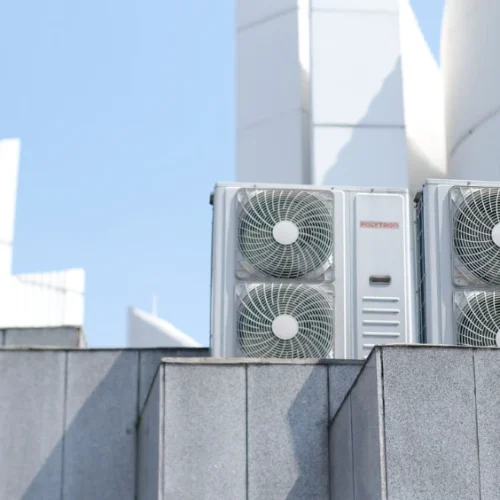
Energy-efficient HVAC systems typically pay for themselves within a few years. Modern heating and cooling technology offers precise climate control with minimal waste.
Recycled and sustainable materials are now widely available for commercial applications. From reclaimed wood to recycled metal fixtures, eco-friendly options abound.
Water-saving fixtures in bathrooms and kitchens reduce utility bills substantially. Low-flow toilets, sensor taps, and efficient dishwashers all contribute to sustainability goals.
Technology Integration in Modern Commercial Spaces
Smart building technology continues to revolutionize commercial environments. Integrated systems can control lighting, climate, security, and more from centralized platforms.
Plan your renovation with future technology needs in mind. Adequate power outlets, data ports, and cable management systems prevent costly retrofitting later.
Video conferencing capabilities have become essential in hybrid work environments. Dedicated meeting rooms with proper audiovisual equipment support seamless remote collaboration.
Security systems should integrate smoothly with other building technologies. Access control, surveillance, and alarm systems work best as part of a unified infrastructure.
Acoustic Considerations for Productive Environments
Noise pollution in commercial spaces kills productivity and increases stress. Sound management should be a primary consideration in your renovation planning.
Acoustic ceiling tiles and acoustic wall panels absorb excess noise effectively. Strategic placement can create quiet zones within otherwise open floor plans.
White noise systems mask distracting conversations and equipment sounds. They’re particularly useful in open-plan offices where complete silence isn’t achievable.
Private phone booths and meeting pods provide escape from ambient noise. These enclosed spaces support focused work and confidential conversations.
Working with Contractors and Designers
Selecting the right professionals makes or breaks your renovation project. Research potential contractors thoroughly and check references from similar commercial projects.
Clear communication with your renovation team prevents costly misunderstandings. Document everything in writing and maintain regular progress meetings.
Don’t sacrifice quality for the lowest bid on important elements. Cheap materials and shortcuts often result in higher long-term costs.
Build relationships with reliable suppliers for ongoing maintenance needs. Quality fixtures and materials from reputable sources ensure lasting value.
Minimizing Business Disruption During Renovation
Phased renovation approaches allow operations to continue during construction. Work with contractors to schedule noisy or disruptive tasks during off-peak hours.
Temporary relocations may be necessary for extensive renovation projects. Plan these transitions carefully to maintain productivity and customer service.
Communicate renovation timelines clearly to employees, customers, and stakeholders. Managing expectations reduces frustration and maintains positive relationships.
Final Thoughts on Commercial Renovation Success
A thoughtful commercial renovation represents an investment in your business’s future. The benefits extend far beyond aesthetics to impact productivity, morale, and your bottom line.
Start with clear goals and realistic budgets before breaking ground. Partner with experienced professionals who understand commercial renovation challenges.
Remember that small improvements can make significant differences over time. Even modest upgrades to lighting, communication tools, and common areas enhance daily operations.
Your commercial space tells a story about your organization’s values and priorities. Make sure that the story reflects the successful, forward-thinking business you aim to be.
FAQs
Commercial renovation improves functionality, employee well-being, and brand perception, all of which directly influence productivity and customer trust.
In addition to your core budget, it’s wise to allocate an extra 15–20% for unexpected costs or design changes.
Yes, many businesses continue operating through phased renovations or by scheduling disruptive work during off-hours.
Lighting improvements, acoustic treatments, flexible layouts, and dedicated wellness or breakout spaces deliver the most noticeable gains.
Absolutely—enclosed notice boards provide reliable, secure communication that doesn’t depend on technology or connectivity.
Durable options like luxury vinyl tile or carpet tiles perform well, especially when different materials are used for different functional zones.
Modular furniture, movable partitions, and adaptable storage allow spaces to evolve with changing business needs.
Yes, energy-efficient systems and eco-friendly materials reduce long-term operating costs while strengthening your company’s environmental credentials.
Future-proofing with ample power, data access, audiovisual setups, and smart building systems prevents costly upgrades later.
Look for experience in similar projects, strong references, clear communication practices, and a focus on long-term quality over low bids.