The focus on sustainable living in today’s rental housing sector continues to evolve. Renting eco-friendly dwellings has moved beyond expensive renovations or complicated technology upgrades; today’s eco-friendly home designers consider everyday design elements that reduce a home’s environmental impact, create a comfortable and efficient living experience, and retain long-term value.
Choosing environmentally sensitive materials, using space in an energy-efficient way, and responsibly managing resources will affect the evaluation process renters use to determine which space to rent, as well as how landlords market and compete with the properties they manage. Professionals of property management in Houston suggest to landlords the benefits of environmentally responsible interiors in increasing the value of their properties. Many modern renters prefer renting environmentally friendly homes, and green properties often have greater rent stability and lower operating expenses, thereby increasing the property’s total rental value.
Five Everyday Design Choices That Make Homes More Eco-Conscious

1. Sustainable Materials as a Strategic Upgrade
Seattle rental property management experts recommend incorporating sustainable materials such as bamboo flooring, reclaimed-wood shelving, recycled-composite countertops, and cork finishes to enhance long-term desirability and overall rental value. Sustainable materials are renewable or repurposed, extremely durable, and well-suited to the rental market, where longevity is one of the most important features of a home.
Natural and recycled materials provide a healthier indoor environment by reducing chemical emissions and creating a sense of warmth and texture, both of which have become increasingly important to renters’ perceptions of quality of life. Properties with obvious signs of sustainability, such as those featuring visible sustainability upgrades, are more likely to stand out from competing properties during viewings and digital listings in competitive urban markets.
Did you know?
The average annual growth rate of rental prices in the Houston market has been approximately 5%.
2. Energy-Efficient Lighting That Enhances Comfort and Reduces Waste
Lighting is one of the simplest forms of eco-friendly designs that has a great impact. Switching to LEDs will use less energy, provide a longer-lasting bulb, lower utility bills, and reduce the need to replace bulbs as often due to the bulb’s longer life. Also, with proper planning, the total number of light fixtures can be reduced by using lighting where possible to provide illumination.
By using a combination of ambient, task, and accent lighting, it becomes easy to create the most balanced light level and thus the greatest comfort with the least energy use. The use of efficient lighting, light-reflective wall colors, and strategically located mirrors that reflect natural daylight reduces the need for artificial lighting during the day.
Did you know?
The rental market in Seattle has experienced a steady annual rent growth of around 3–4%.
3. Low-Impact Paints and Finishes for Healthier Indoor Living
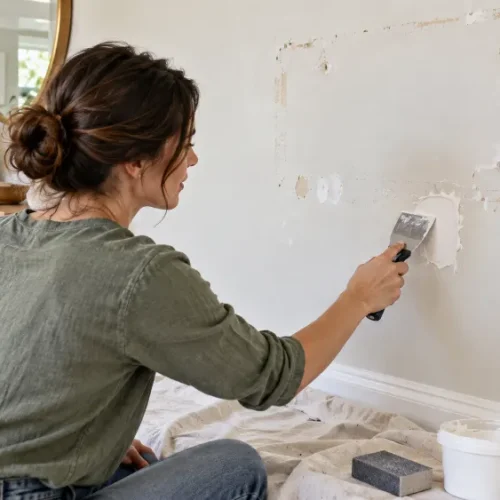
The color choices and finishes used in a rental home are major factors in creating eco-friendly interiors that respond to the demand for rental housing, which often experiences high occupancy turnover. Low- and zero-VOC paints are used to reduce indoor airborne toxins and improve indoor air quality, providing a healthier environment for tenants. As low- and zero-VOC paint technology has developed, the paint products we use today have evolved considerably and now provide the same durability and depth of color as traditional paints.
Neutral and nature-oriented colors, such as light green, warm beige-brown, and muted earth tones, increase the ability of light to reflect and lighten, thereby creating a more relaxing environment in the home that appeals to a wider variety of rental tenants.
4. Water-Conscious Fixtures That Balance Efficiency and Style
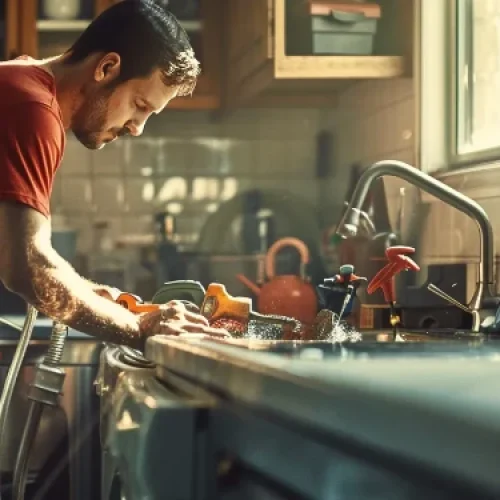
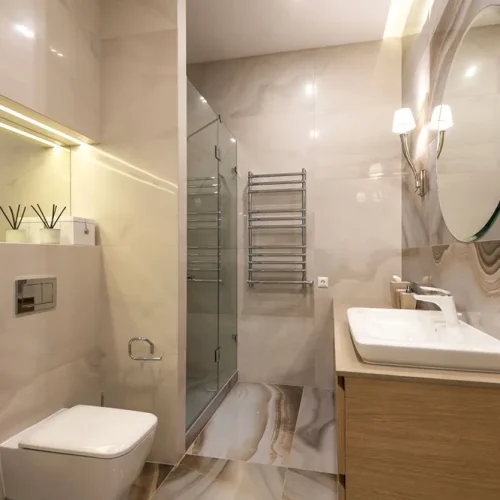
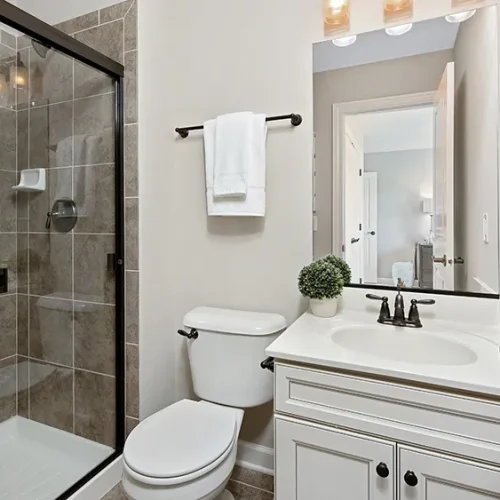
Today, an eco-friendly house must include water-efficient solutions. Installing low-flow toilets, showerheads, and faucets is the best way to reduce water use while maintaining your comfort level with how they function. Water-efficient fixtures use the same style as most modern fixtures, making them easy to fit into your current décor.
The use of water-efficient fixtures is equally appealing for renters who wish to use their resources responsibly and to have predictable utility bills. For landlords, using fewer gallons of water per unit lowers operating costs and helps maintain the building’s infrastructure stability. With their eco-consciousness, water-efficient fixtures create a wider range of functionality and environmental appeal for any home.
5. Thoughtful Furnishings and Layouts That Minimize Waste
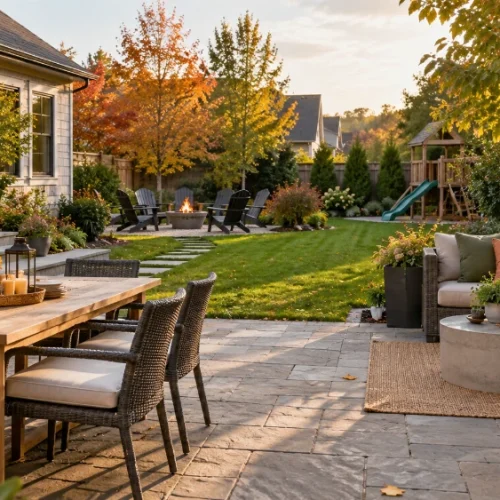
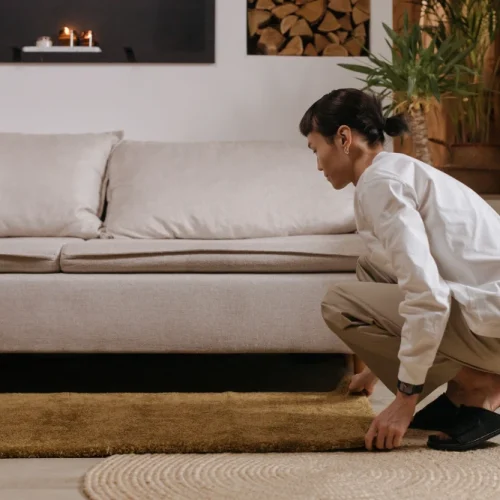
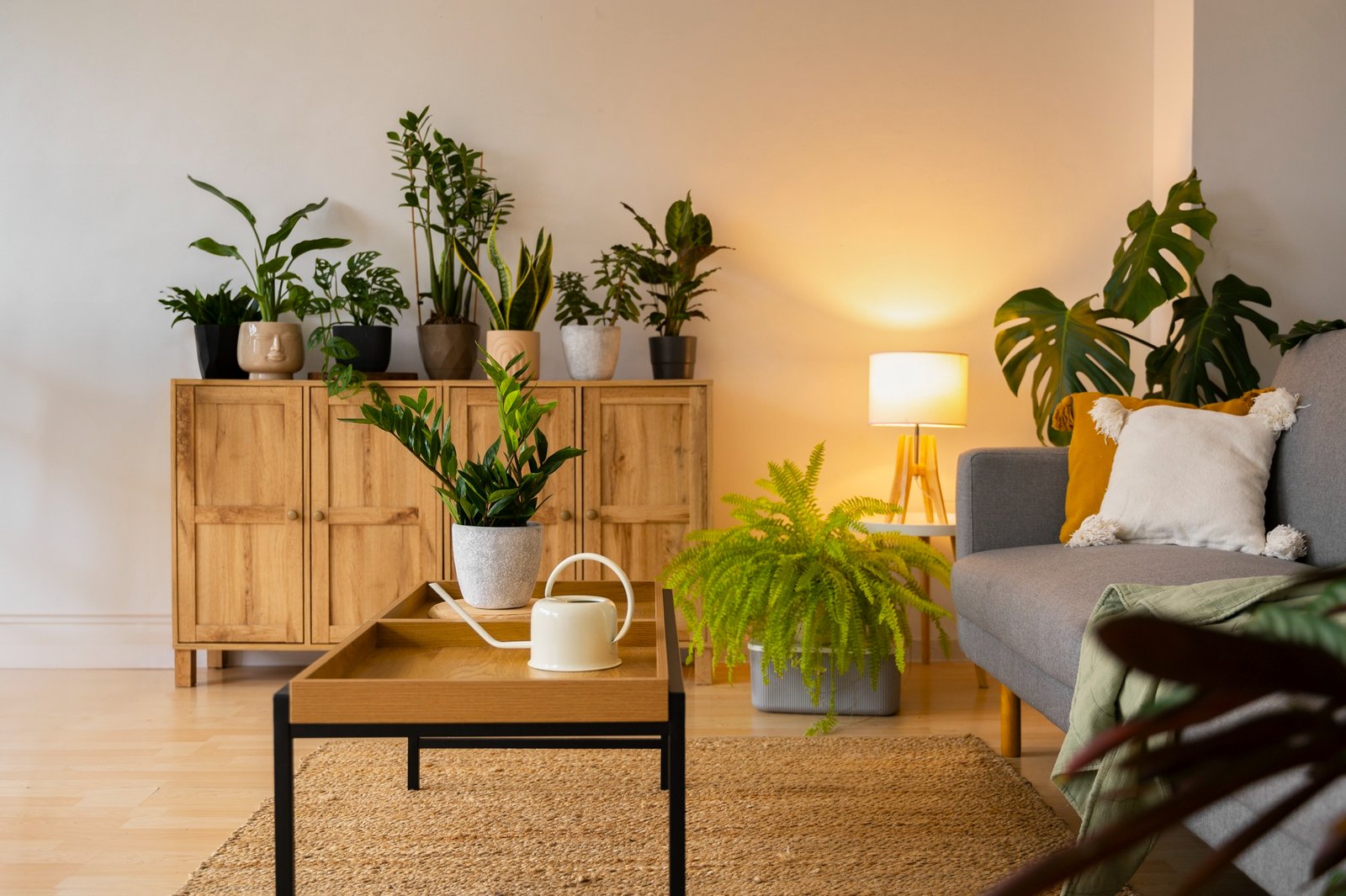
Eco-friendly design extends to how space is furnished and arranged. By choosing durable, multi-purpose furniture, you will not only decrease the number of times it needs to be replaced, but also maximize the use of available space in smaller floor plans. Modular shelving, seating with built-in storage, and adaptable furniture pieces promote flexibility while reducing the need for excessive consumption.
Sustainable furniture, made of reclaimed wood, recycled metal, or upcycled materials, can be combined with a contemporary aesthetic. Habitat layouts that take advantage of natural ventilation and cross breezes reduce dependence on mechanical cooling during the warmer months and help a home feel efficient, intentional, and eco-conscious—all increasingly sought after by renters today.
End Point
Sustainable living continues to be characterized by continual, purposeful design choices over the years rather than large-scale changes in our built environment. Sustainable materials, efficient lighting, low-impact finishes, water-conserving plumbing fixtures, and waste-conscious furnishings all create environmentally responsible homes that are more comfortable and valuable.
In highly competitive rental markets, these incremental design choices help drive higher demand for rental properties and quicker lease transactions. Practical green design is therefore a realistic and accessible strategy that benefits the environment, property owners, and renters alike.
FAQs
Eco-conscious homes rely on everyday choices like sustainable materials, efficient lighting, low-VOC finishes, and water-saving fixtures rather than large structural upgrades.
Many renters value healthier indoor air, lower utility costs, and sustainable living, all of which eco-friendly design choices naturally support.
Yes, materials like bamboo, cork, and reclaimed wood are durable, low-maintenance, and well-suited for long-term rental use.
LED lighting reduces energy consumption, lowers electricity bills, and lasts significantly longer than traditional bulbs, minimizing maintenance.
Low-VOC paints release fewer airborne toxins, improving indoor air quality and creating a healthier living environment for tenants.
Modern low-flow fixtures are designed to maintain strong performance while significantly reducing water usage.
Yes, green design features often attract more tenants, reduce operating costs, and contribute to stronger rent stability over time.
Durable, multi-purpose, and modular furniture reduces waste while maximizing functionality, especially in smaller rental spaces.
No, many sustainable upgrades are affordable and easy to implement in existing rental homes, making green design accessible at all levels.
Incremental improvements compound over time, reducing environmental impact while improving comfort, efficiency, and long-term property performance.