Not Every Property Is an Investment Opportunity
Buying property as an investor is very different from buying a home to live in. Emotion takes a back seat, and numbers do the talking. But numbers alone won’t tell you everything. The right purchase comes down to a mix of financial logic, local knowledge, and practical due diligence.
Whether you’re buying your first investment or adding to a growing portfolio, knowing what to look for beyond the glossy listing photos is what separates strategic buyers from speculative ones.
Rental Yield Is Just the Start
One of the first figures most investors focus on is rental yield. And rightly so it’s a critical piece of the puzzle. But high yield alone doesn’t guarantee long-term success. A 6% return means little if your property sits vacant for weeks between tenants or requires ongoing maintenance.
Look beyond the surface. Check vacancy rates in the suburb. Compare rental returns across similar properties. Is demand being driven by genuine need, or short-term hype? And just as importantly what kind of tenants are drawn to the area? Families, professionals, students? Each comes with its own pros and cons.
Capital Growth Potential: Past Performance Isn’t Enough
Everyone loves the idea of a property that grows in value over time. But assuming that because a suburb performed well over the last decade, it will continue to do so, is risky.
Look at what’s driving growth. Is there infrastructure spending on the horizon? Are new schools, transport links or lifestyle precincts being built? Is the area undergoing gentrification, or has it already peaked? Emerging suburbs adjacent to established blue-chip areas often present better value with strong upside potential if you’re willing to hold.
Check the Fundamentals of the Property Itself
Location is key, but so is the condition and layout of the actual building. Tenants (and future buyers) are turned off by poor natural light, awkward floorplans, lack of parking, or properties that are too difficult or expensive to heat and cool.
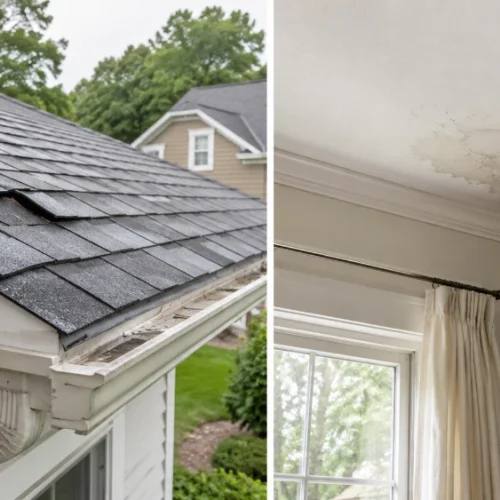
Consider things like orientation, energy efficiency, noise levels, and potential for cosmetic upgrades. These may not show up in a spreadsheet but can impact both rentability and resale value. And then there’s the not-so-glamorous stuff: roofs, plumbing, electrics, drainage. If they’re on the brink, you could be up for serious costs that dent your returns for years.
That’s why smart investors never skip a Melbourne Building and Pest Inspection especially in older suburbs with heritage housing. It’s not just about avoiding termites. It’s about understanding what you’re walking into and using that information to make an informed offer or walk away.
Strata Reports for Units and Townhouses
If you’re buying an apartment or townhouse, reading the strata report is non-negotiable. You need to know the financial health of the owners’ corporation, any upcoming works (like roof repairs or facade upgrades), and whether there’s a history of disputes.
Look out for low sinking fund balances or rising levies. These could indicate underfunded maintenance or looming special levies that eat into your rental income. A poorly managed strata can also make future sales harder and limit capital growth especially in saturated unit markets.
Local Demographics and Tenant Demand
Is the property located where people actually want to live?
A beautiful house with no local amenities, limited transport options, or no access to schools might not attract consistent renters. Similarly, if an area is dominated by owner-occupiers, rental demand might be thin.
Use local data to guide you. Tools like census figures, council plans, and rental vacancy rates can help you build a picture of who lives there and why. Proximity to employment hubs, universities, hospitals, and entertainment districts all boost a property’s desirability. So does being in a school catchment zone with a strong reputation.
Financial Buffering and Contingency Planning
Even the best investment can come with surprises. A sudden interest rate hike. A vacancy that lasts longer than expected. Unexpected maintenance.
Don’t stretch yourself so thin on the purchase price that you leave no room to move. A solid financial buffer ideally three to six months’ worth of repayments can be the difference between riding out a tough period or being forced to sell. Build your budget with all costs in mind, not just the deposit and mortgage. Include stamp duty, inspections, conveyancing, insurance, land tax, and property management fees. It all adds up and all affects your return.
Consider Exit Strategy Before You Buy
This might sound premature, but thinking about your exit before you enter a deal is wise.
Will the property appeal to a future owner-occupier (who typically pays more than an investor)? Are there limitations on selling (like leasebacks or affordable housing schemes)? Will capital gains tax be a consideration if you offload in a few years? A property that gives you flexibility either to sell, rent out short-term, or renovate for added value is usually a safer long-term bet.
Final Word
Investing in property isn’t just about chasing numbers. It’s about making calm, informed decisions and reducing risk wherever possible. There will always be variables you can’t control market cycles, economic shifts, interest rates but by focusing on what you can control, you give yourself the best shot at building long-term wealth.
Start with due diligence. Get the reports. Understand the suburb. Know your strategy. And never buy a property you wouldn’t be comfortable holding for at least five to ten years. Because in property, time in the market always beats timing the market if you buy right.
FAQs
Cash flow matters, but long-term success comes from balancing rental yield, capital growth, and risk management.
Not necessarily high yield can be offset by high vacancy rates, maintenance costs, or poor tenant demand.
Location drives tenant demand, vacancy rates, rental stability, and future resale value.
No future growth depends more on infrastructure, population trends, and economic drivers than historical data alone.
It’s essential, as hidden structural or pest issues can significantly reduce returns and increase long-term costs.
Look for healthy sinking funds, reasonable levies, upcoming major works, and signs of poor management.
Demographics influence tenant type, rental demand, vacancy risk, and long-term property appeal.
A buffer protects you against vacancies, rate rises, and unexpected repairs without forcing a rushed sale.
Stamp duty, inspections, insurance, property management fees, land tax, and maintenance are commonly underestimated.
An exit strategy ensures flexibility and helps avoid being trapped in a property that’s hard to sell or refinance.