If you’re a property owner looking to maximize your real estate potential, you’ve likely come across the terms ADU and DADU. Both options have surged in popularity across American cities as homeowners seek creative ways to generate rental income, accommodate family members, or increase property value. But which one makes the most sense for your specific situation?
While both units offer additional living space and income potential, they differ significantly in cost, privacy, rental returns, and construction complexity. Whether you’re considering a simple garage conversion or a standalone backyard cottage, working with experienced professionals who understand these projects is crucial. Companies like Maksymov Brownstone LLC have built reputations on navigating the complexities of ADU and DADU construction, helping property owners make informed decisions that align with their investment goals. Understanding the nuances between these two options can mean the difference between a smart investment and an expensive mistake.
What Exactly Is an ADU?
An Accessory Dwelling Unit (ADU) is a secondary housing structure on the same property as your primary residence. Think of it as a self-contained apartment with its own kitchen, bathroom, and sleeping area. ADUs can take several forms: a converted garage, a finished basement, an attic transformation, or an addition attached to your main house.
The beauty of ADUs lies in their versatility and cost-effectiveness. By repurposing existing square footage, you’re working with bones that already exist rather than starting from scratch. A garage conversion, for instance, already has a foundation, walls, and usually some electrical infrastructure in place.
ADUs work particularly well for multigenerational living. Having aging parents or adult children in an attached unit means they’re close enough for daily interaction while maintaining private space—proximity with boundaries that many families find ideal.
Understanding DADUs: The Standalone Option
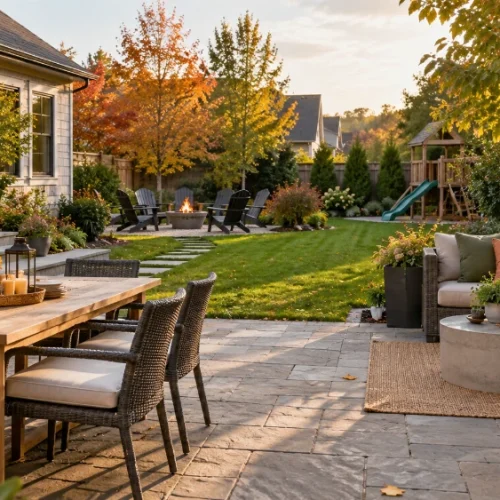
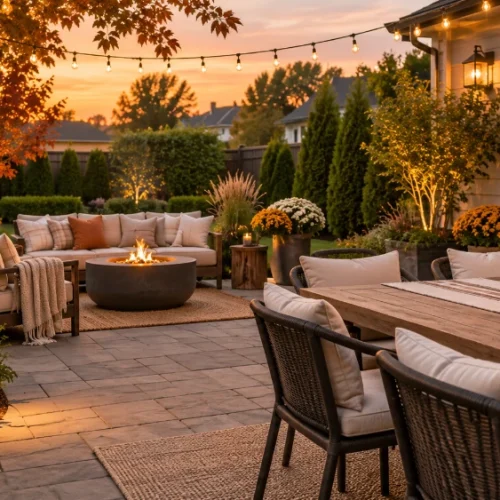
A Detached Accessory Dwelling Unit (DADU), sometimes called a backyard cottage or carriage house, is a completely separate structure from your main home. It sits on the same lot but doesn’t share any walls, utilities connections, or entry points with the primary residence.
This separation creates a fundamentally different living experience. DADUs offer maximum privacy—no shared walls, no common entrance, and essentially no day-to-day interaction unless both parties choose it. For many renters, especially young professionals and small families, this autonomy commands a premium.
The tradeoff? DADUs require building from the ground up, which naturally increases both timeline and budget. You’ll need to establish a foundation, run new utility lines, and construct an entirely independent structure.
Breaking Down the Key Differences
Privacy and Independence
Privacy represents the most significant distinction. DADUs provide complete separation—your tenant or family member has their own front door and clearly defined boundaries. ADUs, being attached, inevitably involve some shared elements, which might be fine for family but less appealing to renters seeking independence.
Construction Costs and Timeline
ADUs generally cost 20-40% less than DADUs by leveraging existing infrastructure. Converting a 400-square-foot garage might run $80,000-$120,000 depending on location. Building a comparable DADU could reach $150,000-$200,000 or more.
However, this isn’t just about upfront cost—it’s about return on investment. While DADUs cost more initially, they typically generate higher rental income and add more value at resale.
Rental Income Potential
DADUs consistently command 15-30% higher rents than comparable attached units. In markets like Seattle or Portland, an attached ADU might rent for $1,500 monthly, while a DADU could fetch $2,200-$2,500. Over time, this differential can more than offset higher construction costs. Renters simply pay a premium for privacy and the feeling of living in their own small house.
Design Flexibility
DADUs offer considerably more creative freedom. Since you’re building from scratch, you’re not constrained by matching your existing home’s architecture. Want modern minimalism while your main house is Victorian? With a DADU, that’s your call.
Navigating Zoning and Permits
Before getting too excited about either option, you’ll need to address local regulations. Zoning laws vary dramatically between municipalities. Some cities actively encourage ADU and DADU construction through streamlined permitting, while others maintain strict requirements around lot size, setbacks, parking, and height restrictions.
Your local planning department is the ultimate authority. Critical questions include: Does your lot meet minimum size requirements? Are there setback requirements? Will you need additional parking? What’s the maximum allowable square footage? Don’t skip this research—many property owners have invested in designs only to discover their plans don’t meet local codes.
Making Your Decision: ADU or DADU?
Choose an ADU if:
- Your budget is more limited and you need to minimize upfront costs
- You’re housing family members who you want nearby
- Your lot size won’t accommodate a separate structure
- You have existing space (garage, basement) that can be converted
Choose a DADU if:
- You’re prioritizing maximum rental income
- Privacy is important for you or your tenants
- You have adequate lot space and budget for new construction
- You’re focused on long-term property value appreciation
The Bottom Line
Both ADUs and DADUs represent solid property investments in today’s housing market. They address housing shortages while providing homeowners with income potential and increased property values. Market data consistently shows that homes with secondary units appreciate faster and command higher sale prices than comparable properties without them.
The key is matching the right solution to your property, goals, and financial capacity. If you’re prioritizing rental income and have adequate space and budget, DADUs generally offer superior returns. If you need a more affordable option for family use or have space constraints, ADUs provide excellent value.
Success hinges on thorough planning and working with experienced professionals who understand these projects’ complexities. Research your local regulations, run realistic financial projections, and select builders with proven ADU and DADU experience. With the right approach, you’ll create valuable additional living space that serves your needs for years to come.
FAQs
An ADU is attached to or converted from existing space in the main home, while a DADU is a completely separate, standalone structure on the same property.
ADUs are typically 20–40% cheaper because they reuse existing foundations, walls, and utility connections.
Yes, DADUs usually command 15–30% higher rent due to increased privacy and independence.
In most markets, DADUs add more resale value because buyers view them as independent living units rather than extensions of the main house.
Yes, ADUs work well for multigenerational living since they provide proximity while still maintaining some separation.
Often yes—DADUs usually face stricter rules related to setbacks, lot size, height, and utility connections.
No, your lot must meet local zoning, size, and setback requirements, which vary significantly by city.
DADUs provide greater design freedom since they aren’t constrained by the architecture of the existing home.
Yes, DADUs take longer because they require new foundations, utilities, and full structural construction.
The best choice depends on your budget, lot size, privacy needs, rental goals, and long-term investment strategy.