This post contains affiliate links. As an Amazon Associate, I earn from qualifying purchases, at no extra cost to you. See our disclosure policy.

That foggy mirror after your morning shower? Seems harmless, right? But here’s the thing what you can’t see is the real problem. Lingering moisture, mold spores, stale air. All of it could be slowly wrecking your bathroom and messing with your health. Proper ventilation does more than clear steam. It keeps your home safe and the air you breathe clean.
The Hidden Impact of Good Bathroom Airflow
Let’s be honest: bathrooms pump out humidity like nobody’s business. Every hot shower and long bath releases moisture that has to go somewhere. Without proper ventilation, that moisture seeps into walls, ceilings, and grout.
The consequences can be serious: paint peels, wood warps, and black mold can appear in corners you’d never expect. Older homes are especially vulnerable, as many were built with exhaust systems that weren’t designed to handle modern usage. The good news? You don’t need to gut your entire bathroom to fix the problem. With the right ventilation upgrades, you can protect your home, improve air quality, and keep your space looking fresh for years to come.
Signs Your Bathroom Has a Ventilation Problem
How do you know if your bathroom’s ventilation isn’t cutting it? Watch for these red flags:
- Mirrors and windows stay foggy for hours
- That musty smell just won’t go away
- Mold or mildew on walls, ceilings, or caulking
- Paint that’s bubbling or flaking
- The bathroom feels steamy long after you’ve dried off
- Cabinet doors or frames are starting to warp
Sound familiar? Your ventilation needs work. Dealing with a fan upgrade now beats paying for mold remediation later.
Choosing the Right Exhaust Fan for Your Space
If you’re looking into bathroom remodeling services near Berkeley or anywhere around the Bay Area, don’t overlook ventilation. The right exhaust fan makes a real difference.
Here’s what to think about:
Get the size right. Fans are measured in CFM cubic feet per minute. Got a bathroom under 100 square feet? You’ll want 1 CFM for every square foot. A bigger space means more power.
Think about noise. Ever used a fan that sounds like a jet engine? Look for something rated 1.0 sone or less.
Look at the extras. Newer fans come with humidity sensors, motion detection, built-in lights, and even Bluetooth speakers. These aren’t gimmicks they make life easier.
Watch your energy bill. ENERGY STAR fans slash energy use by up to 70%. Worth the upgrade.
Simple Habits That Improve Air Circulation
A high-quality exhaust fan is essential, but daily habits make a big difference in keeping your bathroom dry and mold-free.
- Run the fan during and after showers – Keep it on for at least 20 minutes afterward to remove lingering humidity.
- Crack a window when possible – Fresh air costs nothing and helps moisture escape faster.
- Wipe down shower walls and surfaces – Just 30 seconds can significantly reduce water buildup and prevent mildew.
- Leave the bathroom door slightly open – Allow damp air to flow out and keep the room ventilated naturally.
Incorporating these simple routines into your daily bathroom use protects surfaces, extends the life of finishes, and keeps your space healthier and more comfortable.
When to Call in the Professionals
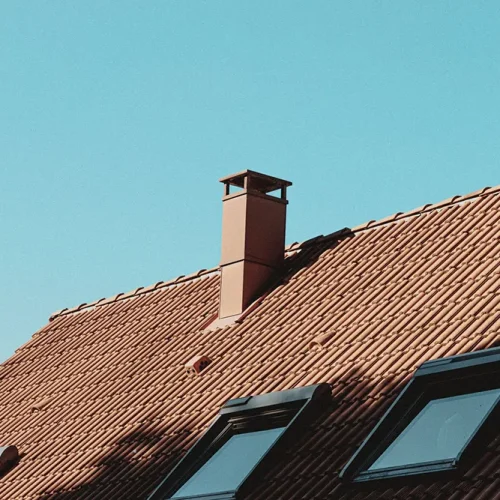
Some ventilation issues aren’t DIY-friendly. For example, if your exhaust fan vents into the attic instead of outside—a common problem in older homes you’re just relocating moisture rather than removing it. That vent needs to be properly routed outdoors to prevent damage.
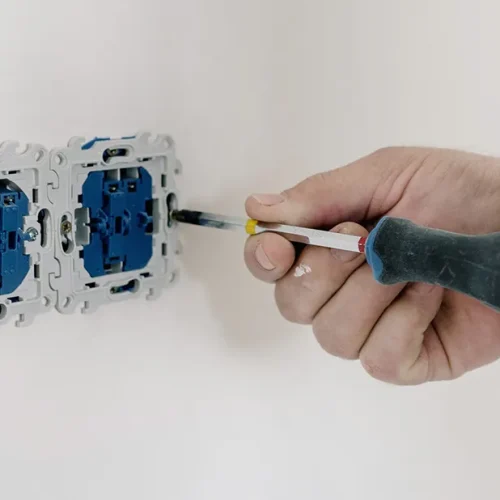
No exhaust fan at all? Installing one involves electrical work, ducting, and compliance with building codes—a job best left to a professional. Planning a bathroom renovation? Include ventilation upgrades in your project. Bundling the work can save money and prevent costly fixes later.
Proper ventilation not only protects your bathroom from mold, peeling paint, and warped wood, but also preserves your home’s value and ensures healthier air for your family. Whether you’re tackling a full remodel or making minor improvements, getting airflow right pays off for years to come.
FAQs
With regular upkeep, most fans last 10 to 15 years. But if yours is loud, pushing less air, or just plain old? Time for a new one. Today’s models perform better anyway.
Some handy folks pull it off. But electrical work isn’t something to mess with. Bad wiring means fire risk or a voided warranty. Better to call a pro.
Jetted tubs throw off way more moisture. Add 50 CFM to your baseline. A humidity-sensing fan is smart here.
Not really. Windows depend on wind, weather, and privacy. An exhaust fan works no matter what’s happening outside.