
Homes that continue to work well over time don’t rely on perfection or permanence. Real life brings expansion, pauses, new routines, and unexpected adjustments, often all within the same household. A functional home absorbs those changes quietly, allowing daily life to continue without constant reworking of space. Comfort comes from flexibility built into everyday use rather than rigid layouts designed for a single moment in time.
In cities like Washington, DC, this kind of adaptability matters even more. Many households balance evolving work schedules, limited square footage, family changes, and long-term plans that do not always align neatly. Homes that remain practical in that environment tend to use space creatively, leaning on smart organization and temporary solutions instead of major renovations. Functionality becomes less about size and more about how well the home responds to life as it unfolds.
Temporary Space
Temporary space solutions often provide the breathing room households need during periods of transition. Belongings accumulate faster than decisions get made, and forcing everything to fit inside active living areas can interrupt daily routines. Extra space outside the home allows families to stay comfortable while sorting through change at a realistic pace.
Storage unit renting plays a valuable role in this process. Items tied to future goals, seasonal use, or temporary life stages can move out of the way without being discarded or permanently relocated. Thanks to storage units DC homeowners’ living rooms stay usable, bedrooms remain restful, and shared spaces continue serving daily needs. External storage supports progress without pressure, allowing households to organize gradually while maintaining order at home.
Changing Zones
Zones created for changing family needs help homes stay responsive rather than outdated. Instead of assigning rooms a single, permanent purpose, flexible zoning allows spaces to evolve alongside routines. A corner once used for toys may later support homework, creative projects, or quiet reading without requiring structural changes.
Moreover, zones reduce friction by offering guidance rather than rules. Family members understand how space is meant to function at any given time, even as those functions evolve. Over time, zoning supports continuity by allowing rooms to adapt smoothly rather than forcing households to constantly rearrange or expand.
Daily Cycles
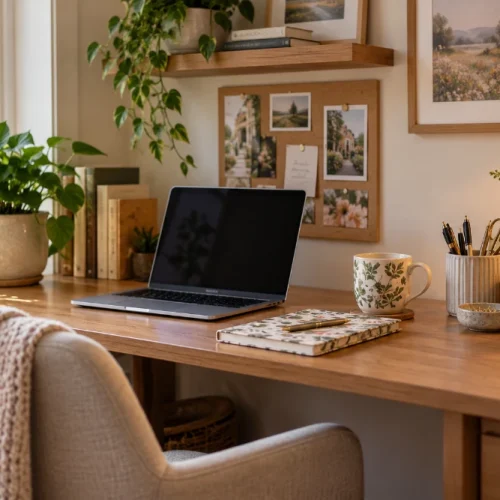
Homes that support work, study, and rest cycles feel calmer throughout the day. Many households now experience overlapping responsibilities within the same space, which makes intentional design especially important. Furniture placement, access to storage, and lighting choices influence how easily rooms transition between roles.
Supporting daily cycles prevents spaces from feeling overwhelmed. Morning productivity, afternoon activity, and evening rest can coexist once layouts acknowledge time-based use. Homes that account for these things remain practical even during busy weeks, supporting focus without sacrificing comfort.
Shared Balance
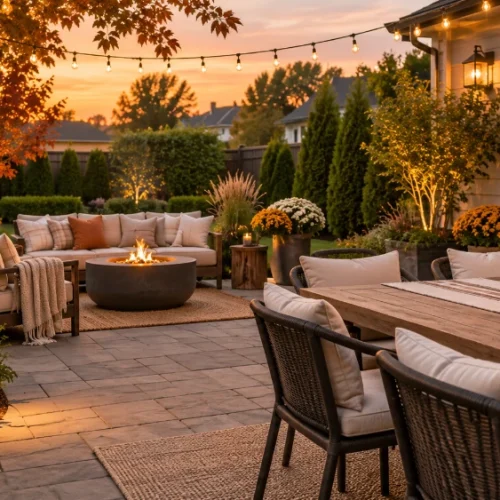
Shared spaces thrive once they balance togetherness with personal comfort. Kitchens, living rooms, and open areas often serve as the heart of the home, hosting conversation, activity, and quiet moments alike. Without thoughtful planning, those areas can become crowded or overwhelming.
Flexible arrangements help maintain balance. Seating options, movable furniture, and subtle visual boundaries allow people to occupy the same space without constant interaction. Shared areas remain welcoming without becoming overstimulating, supporting both connection and individual needs throughout the day.
Multi-Use Rooms
Rooms that adapt to multiple purposes over time extend the usefulness of a home’s layout. Guest rooms, spare bedrooms, and open areas often evolve alongside household needs, supporting hobbies, remote work, or caregiving without permanent alteration.
Multi-use rooms rely on versatility rather than compromise. Storage solutions, furniture selection, and layout flexibility allow rooms to transition smoothly as priorities change. Homes that embrace multi-use design remain functional longer, supporting growth and adjustment without requiring major redesigns.
Closet Flow
Closets often exhibit how well a home keeps up with daily life. As households grow and routines evolve, storage needs change in subtle but important ways. A closet that once worked perfectly may begin to feel crowded once clothing needs expand, hobbies develop, or shared storage becomes necessary. Homes stay functional longer once closets adapt along with usage patterns rather than remaining fixed.
Flexible closet organization supports that adaptability. Adjustable shelving, modular storage bins, and rotating seasonal items allow closets to serve current needs without becoming overwhelmed. Functional closets reduce the need to repurpose other rooms for overflow, keeping living areas clear and usable.
Future Planning
Design choices made with future needs in mind help homes remain comfortable through change. Anticipating growth, downsizing, or lifestyle changes does not require predicting every detail. Instead, thoughtful planning focuses on flexibility, durability, and options that allow rooms to evolve without major intervention.
Homes that incorporate adaptable layouts, neutral finishes, and versatile storage solutions tend to remain useful longer. Furniture that can be rearranged, spaces that allow multiple configurations, and systems that accommodate expansion or reduction all contribute to long-term functionality. Planning proactively allows households to respond calmly when priorities change rather than scrambling for solutions.
Open Living
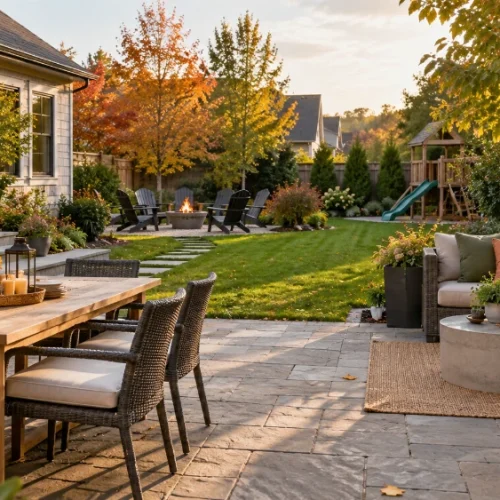
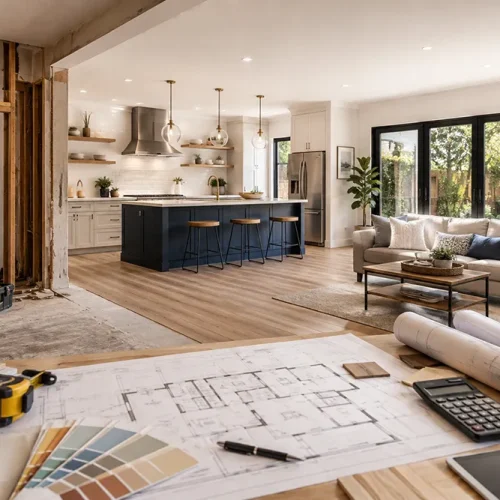
Open areas support different stages of life by offering room to adjust without constraint. Living spaces that avoid overly fixed layouts allow families to reorganize furniture, create new activity zones, or simplify arrangements as needs change. Openness supports movement, interaction, and flexibility across daily routines.
As households evolve, open areas provide continuity. A space that once hosted playtime may later support gatherings, quiet evenings, or shared projects. Openness allows homes to feel relevant at each stage rather than tied to a single period. Functional living spaces grow alongside households rather than needing frequent redesign.
Schedule Shifts
Family schedules rarely stay consistent for long. Work hours change, school routines adjust, and commitments expand or contract over time. Homes that remain functional during such changes support varied activity levels without requiring constant rearrangement.
Layouts that allow quiet and activity to coexist help households manage busy periods smoothly. Access to storage, flexible seating, and adaptable lighting allow spaces to respond to changing energy levels throughout the day. Functional homes absorb schedule changes without creating tension, supporting productivity, rest, and connection as routines evolve.
Conclusion
Homes that stay functional during growth and change rely less on size and more on adaptability. Flexibility built into storage, layout, and daily use allows households to move through life transitions without losing comfort or control. Temporary solutions provide breathing room. Thoughtful zoning supports evolving needs. Adaptable rooms and open areas extend the usefulness of existing space. Functionality grows from responsiveness rather than permanence. Homes that adjust gracefully to new routines, responsibilities, and priorities remain comfortable without constant renovation.
FAQs
A functional home adapts to shifting routines, space needs, and life stages without requiring constant renovation or reorganization.
Flexible layouts and storage allow a home to respond to real-life changes, making even smaller spaces work efficiently over time.
Temporary storage creates breathing room by removing non-essential items, allowing living spaces to remain comfortable and organized during transitions.
Flexible zoning assigns spaces roles that can change over time, helping rooms evolve alongside household needs rather than staying fixed.
Intentional layouts, furniture placement, and lighting help spaces transition smoothly between work, activity, and rest throughout the day.
Multi-use rooms extend a home’s usefulness by accommodating new functions as priorities change without permanent alterations.
Adjustable shelving and modular storage allow closets to grow with changing needs, reducing clutter in living areas.
Planning for flexibility ensures a home can adjust to growth, downsizing, or lifestyle changes without major disruption.
Open areas allow easy reconfiguration, helping homes stay relevant as activities and household dynamics evolve.
Layouts that balance quiet and active zones help households manage shifting schedules without creating stress or overcrowding.