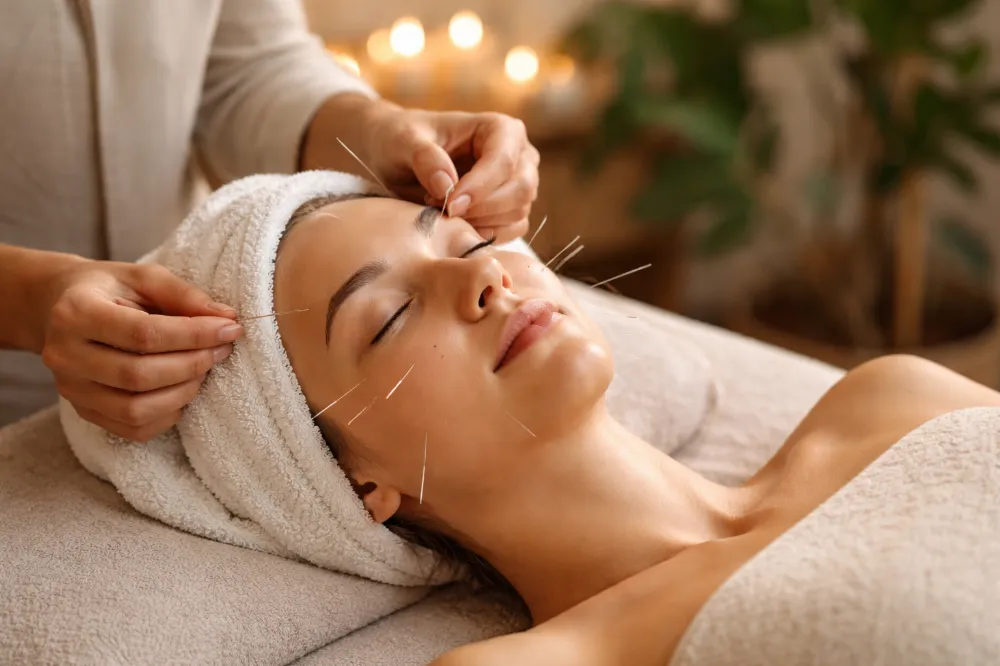
Facial acupuncture is a treatment that focuses on the muscles, skin, and circulation of the face while also considering the body as a whole. Many people are drawn to this approach because it supports the face without relying on invasive procedures. Instead of altering the skin directly, the treatment works by encouraging the body’s natural responses, which is why it appeals to those who prefer gradual, natural-looking changes.
People often choose facial acupuncture for concerns such as muscle tension in the jaw or forehead, uneven facial tightness, dull-looking skin, or signs of stress showing in the face. Daily habits like clenching teeth, poor posture, lack of sleep, and long hours in front of screens can all affect facial muscles and circulation. Over time, this tension may impact how the face looks and feels. Facial acupuncture addresses these issues by working with specific points linked to muscle relaxation and blood flow.
Another reason people choose this treatment is its broader focus. Sessions are not limited to the face alone. Practitioners often consider sleep quality, stress levels, digestion, and overall tension, since these factors influence skin and muscle tone. For many, facial acupuncture becomes part of a self-care routine that supports both appearance and physical comfort, rather than a quick cosmetic fix.
How Facial Acupuncture Is Used for Skin and Muscle Support
Facial acupuncture is used to support the skin and underlying muscles by targeting areas where tension, reduced circulation, or imbalance may be present. Very fine needles are placed at specific points on the face to stimulate blood flow and encourage muscle relaxation. Increased circulation helps deliver oxygen and nutrients to the skin, which can support a healthier appearance over time.
Muscle support is another key part of the treatment. Facial muscles can become tight or overworked due to stress, repetitive expressions, or jaw tension. Acupuncture points are selected to help release this tightness and promote more balanced muscle activity. When muscles are less tense, the face may appear more relaxed and symmetrical.
Practitioners often combine facial points with points on the body. This approach recognizes that facial tension is often linked to overall stress, posture, or nervous system activity. By addressing these connections, facial acupuncture supports both surface-level concerns and deeper muscle patterns. The goal is not to change facial structure, but to help the skin and muscles function more comfortably and efficiently. Over time, regular sessions may help maintain muscle tone, reduce strain, and support the skin’s natural processes.
What to Expect During a Typical Session
A typical facial acupuncture session begins with a short conversation about your concerns, health history, and goals. The practitioner may ask about stress levels, sleep, digestion, or muscle tension, since these factors can affect facial muscles and skin. This helps guide point selection and ensures the session is suited to your needs.
During the treatment, you will usually lie comfortably while fine needles are placed on the face and sometimes on the body. Most people describe the sensation as mild and brief, often feeling pressure rather than pain. Once the needles are in place, you rest quietly for a set period while the body responds to the stimulation. Many people find this time deeply relaxing.
After the session, it is common to feel calm or slightly energized. Some notice temporary redness in areas with increased circulation, which typically fades quickly. Results vary from person to person, and practitioners often recommend a series of sessions for ongoing support. For those seeking care at Pulse Acupuncture in Williamsburg, Brooklyn, facial acupuncture is offered as part of a thoughtful, individualized approach that focuses on comfort, balance, and long-term support rather than quick changes.
FAQs
Facial acupuncture is a treatment that uses fine needles to support facial muscles, circulation, and skin health while considering the body as a whole.
They are often used interchangeably, but facial acupuncture typically emphasizes muscle relaxation, circulation, and overall balance rather than cosmetic change alone.
Most people experience little to no pain, describing the sensation as mild pressure or a brief tingling feeling.
Common reasons include facial tension, jaw tightness, stress-related muscle strain, dull-looking skin, and general facial discomfort.
Sessions usually last between 45 and 75 minutes, including consultation and rest time with the needles in place.
Practitioners often suggest a series of sessions for ongoing support, though the exact number depends on individual goals and needs.
Some people notice relaxation or improved circulation right away, while others experience gradual changes over multiple sessions.
No, it is a non-invasive approach that works with the body’s natural responses rather than altering the skin directly.
Yes, sessions often include body points that support the nervous system, which may help reduce overall stress and tension.
People looking for a natural, gradual approach to facial support and muscle relaxation often find facial acupuncture appealing.