So, you’re planning a Florida trip in 2025, right when bed bug activity is peaking in some cities—and honestly, that changes everything about what you pack and how you travel. Wrap your suitcase, check the beds as soon as you arrive, and know your rights if you get bitten—those steps really do lower your odds and give you some control.
This post covers which Florida cities are seeing the most bed bug trouble this season, the trends affecting travelers, and real-world steps you can take to dodge infestations or handle them if things go sideways. If you do get bitten, there’s also some info on when it might be worth talking to a lawyer about compensation.
Florida’s Bed Bug Season 2025: Hot Cities, Trends, and Risks
In 2025, bed bug problems are mainly popping up in Florida’s coastal and urban areas—think places with lots of tourists, high housing turnover, and those endless warm spells. Whether you’re a visitor or a local, it’s smart to double down on checking your room, keeping luggage sealed, and booking places that actually have pest control policies (not just empty promises).
Understanding the Peak Bed Bug Period in Florida
Encounters with bed bugs spike from late spring through early fall, but June to September is the real danger zone—those sticky, warm nights are perfect for them. The heat speeds up their life cycle, so they molt and breed faster. It’s gross, but it’s true.
Air conditioning’s a mixed bag: it keeps rooms cool, but it also means people hang out in shared spaces more, and it creates a stable indoor climate where bed bugs can breed all year. And with climate change making heat waves more common, the “bed bug season” just keeps stretching longer, especially along the Gulf Coast.
Public health folks keep an eye on reports from hotels, shelters, and apartments because, honestly, people moving around is the main way these pests spread. Even weird things like changes in rainfall—leading to more mold and less building maintenance—can make infestations worse by messing with air quality and upkeep.
2025 Hot Cities List: Highest-Risk Locations for Travelers
Where’s the risk highest? Look for cities with huge crowds, tons of rentals, and sticky, humid weather. Miami, Tampa, Orlando, Fort Lauderdale, and Jacksonville are all on the list, and even some smaller touristy towns along both coasts are seeing more reports than usual.
High turnover in short-term rentals, crowded hostels, and budget hotels (where pest control is often an afterthought) all make things worse. And don’t forget airports, bus stations, and trains—luggage and clothes move fast between homes and hotels, spreading bugs in a blink.
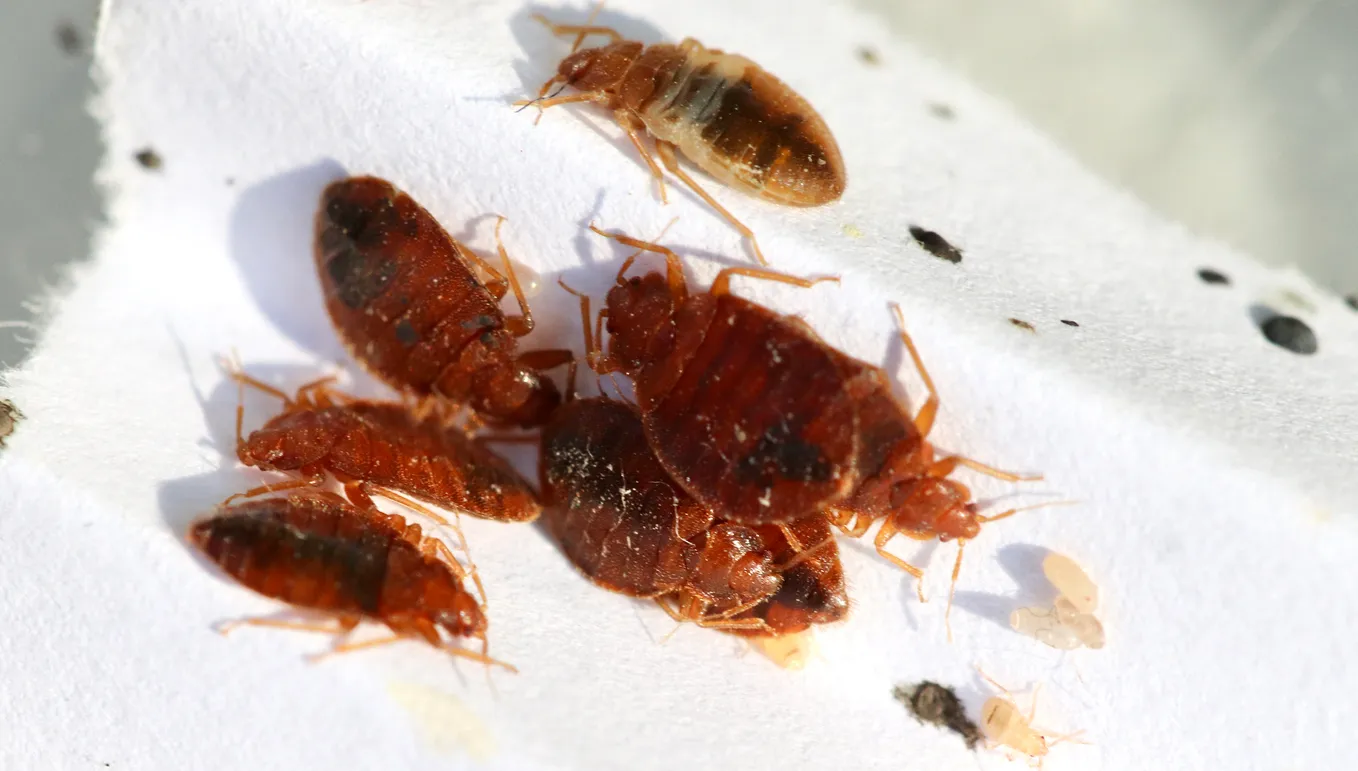
If you’re traveling, try to book places with recent inspection records. Ask for a room away from elevators and stairwells, and stash your stuff in sealed bags. When you check in, look over the mattress seams, headboards, and any upholstered furniture for those telltale black spots or bug shells.
Why Bed Bugs Are Thriving: Environmental and Social Drivers
There’s a whole mix of reasons why bed bugs are winning right now in Florida. Warmer weather and more heat waves mean they can reproduce faster. At the same time, more people living and visiting here means more chances for bugs to hitch a ride.
Buying secondhand furniture, constant travel, and not enough building maintenance (thanks to tight budgets or too few workers) all make it easier for bugs to spread. Plus, when buildings get neglected and air quality drops, it just creates more nooks for pests to hide.
Some cities react faster than others. Places with solid inspection programs and clear ways to report problems get ahead of outbreaks quicker. The best results still come from pest management plans that mix monitoring and prevention—especially in buildings with lots of turnover.
Travel Smart: Prevention, Safety, and Sustainable Solutions
If you want to avoid bites, don’t just hope for the best—be proactive. Check where you sleep, keep your luggage isolated, and look for places that care about both pest control and the environment. Small steps, eco-friendly choices, and being aware of how heat changes things will help you travel safer (and maybe even a little greener).
Essential Steps for Travelers to Avoid Bed Bugs
First thing, check your room: look at mattress seams, headboards, baseboards, and behind any art for black dots or bug shells. Pull back the bedding, run your fingers along seams, and use your phone’s flashlight—it’s amazing what you’ll spot if you look close.
Don’t set your bag on the floor; use a rack or the bathroom counter until you’ve checked the room. Keep clothes in sealed bags. If you’re worried something got infested, wash it hot (at least 60°C/140°F) and toss it in the dryer on high for half an hour—that’ll fry any bugs or eggs.
When you get home, don’t drag your suitcase right inside. Leave it in the garage or on the balcony, and vacuum it out. Wash everything you traveled with in hot water and dry it on high, just to be safe. If you get bitten, snap some photos and tell the hotel right away; ask to see their treatment records before you book another night.
Sustainable Accommodation Choices and Environmental Health
Look for places that use integrated pest management—so, not just spraying chemicals everywhere, but actually monitoring and cleaning to prevent bugs in the first place. Ask about energy-saving upgrades like LED lights and efficient air systems, since those can help air quality and mean less need for pesticides.
Try to stay at hotels that use renewable energy or have green certifications. They’re more likely to keep up with building repairs and moisture control, which helps keep pests away. Pick places that are upfront about their environmental and health policies, and that train their staff in safer, low-tox pest control.
Support local businesses that don’t just talk about safety but actually fix leaks, replace old furniture, and keep things clean. Those choices help everyone—less chemical exposure, better conditions for staff, and healthier cities overall.
Long-Term Trends: What to Expect Amid Climate and Population Shifts
With warmer regional temps and stickier air in parts of Florida, the active season for crepuscular pests just keeps stretching out. That means a higher risk of infestations, pretty much all year, especially in crowded metro spots. And let’s not forget—more people are moving to those coastal Sunbelt cities. More folks, more housing turnover, more short-term rentals… it all adds up to way more chances for pests to hitch a ride.
Now, if urban planners actually lean into energy efficiency, green infrastructure, and affordable housing, there’s hope. Better building envelopes and smarter indoor climate control can make a real dent in infestation hotspots. It’s not just theory—epidemiologists and public health folks keep connecting the dots between housing quality and environmental health. So, when communities invest in sustainable retrofits, it’s a win for both local and global health, honestly.
On the economic side, policies that put money behind preventive housing upgrades, worker training, and integrated surveillance? Those could seriously drive down long-term costs and cut back on chemical use in neighborhoods. And hey, if travelers choose places that actually participate in these efforts, it nudges the market toward healthier, more resilient places to stay. Wouldn’t that be something?
FAQS
Bed bug activity rises from late spring through early fall, with the highest risk typically between June and September due to heat and humidity.
Miami, Orlando, Tampa, Fort Lauderdale, and Jacksonville top the list, along with several smaller coastal tourist towns.
High traveler turnover, short-term rentals, and shared spaces make it easier for bed bugs to hitch rides on luggage and clothing.
Inspect mattress seams, headboards, baseboards, and upholstered furniture using a flashlight, looking for black spots, shells, or live bugs.
No—while AC cools rooms, it also creates stable indoor conditions where bed bugs can survive and breed year-round.
Keep bags sealed and elevated on a luggage rack or in the bathroom until you’ve inspected the room thoroughly.
Wash items in hot water and dry on high heat for at least 30 minutes to kill both bugs and eggs.
Often yes, because properties using integrated pest management tend to monitor infestations more closely and maintain buildings better.
Unpack outside living areas, vacuum luggage, and wash all travel clothing on hot to reduce the risk of bringing bugs inside.
If a hotel failed to address known infestations or caused documented harm, it may be worth speaking with a lawyer about compensation.